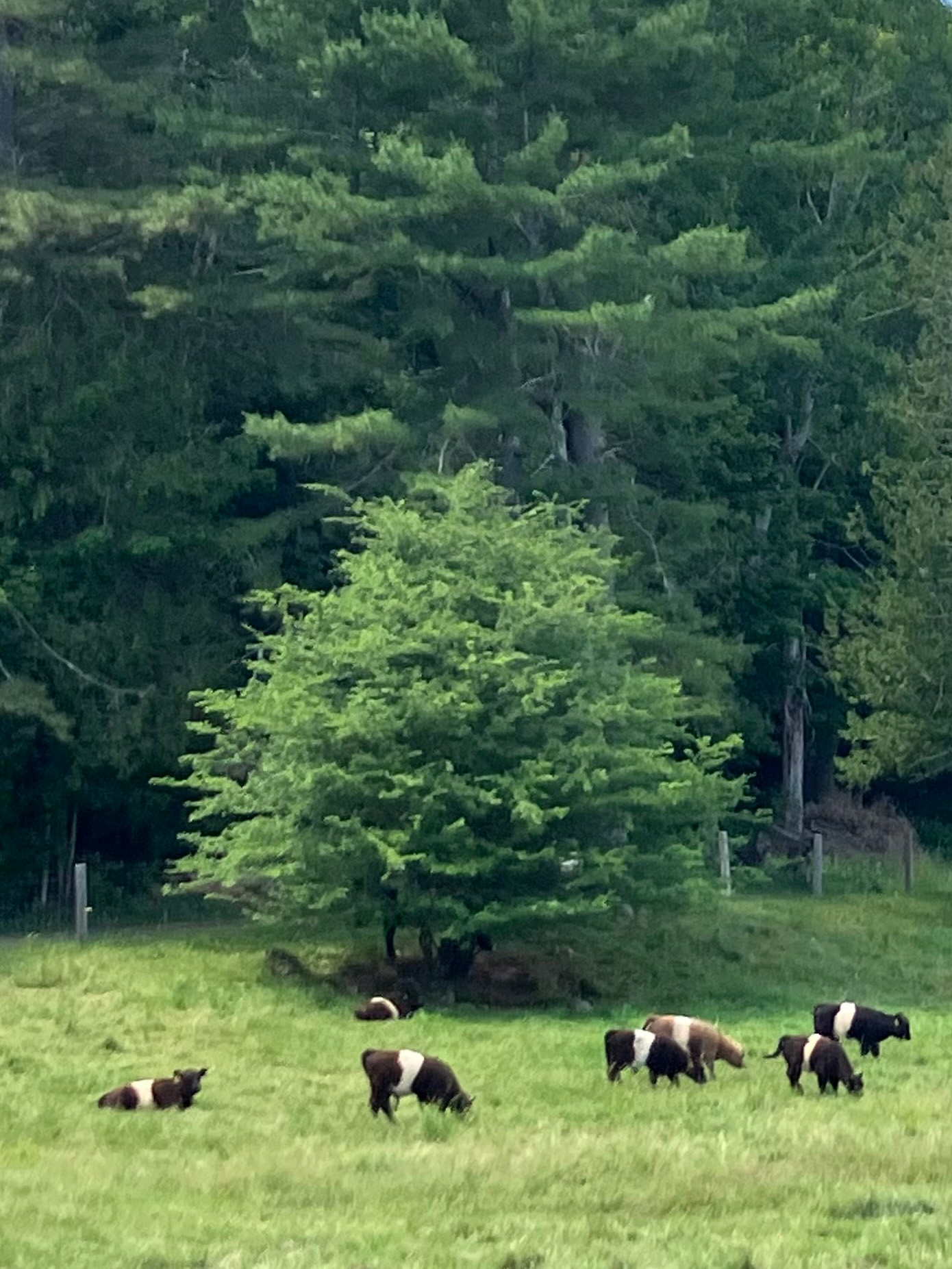
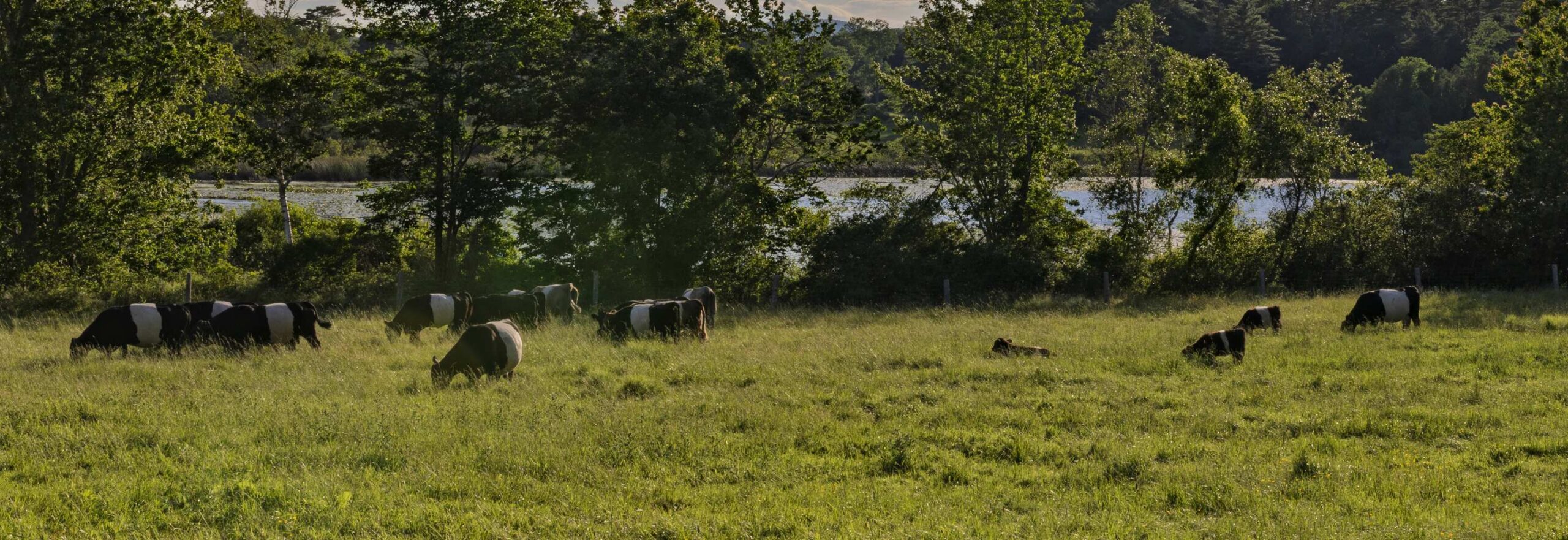
Where are the cows?
Practicing conservation through regenerative agriculture
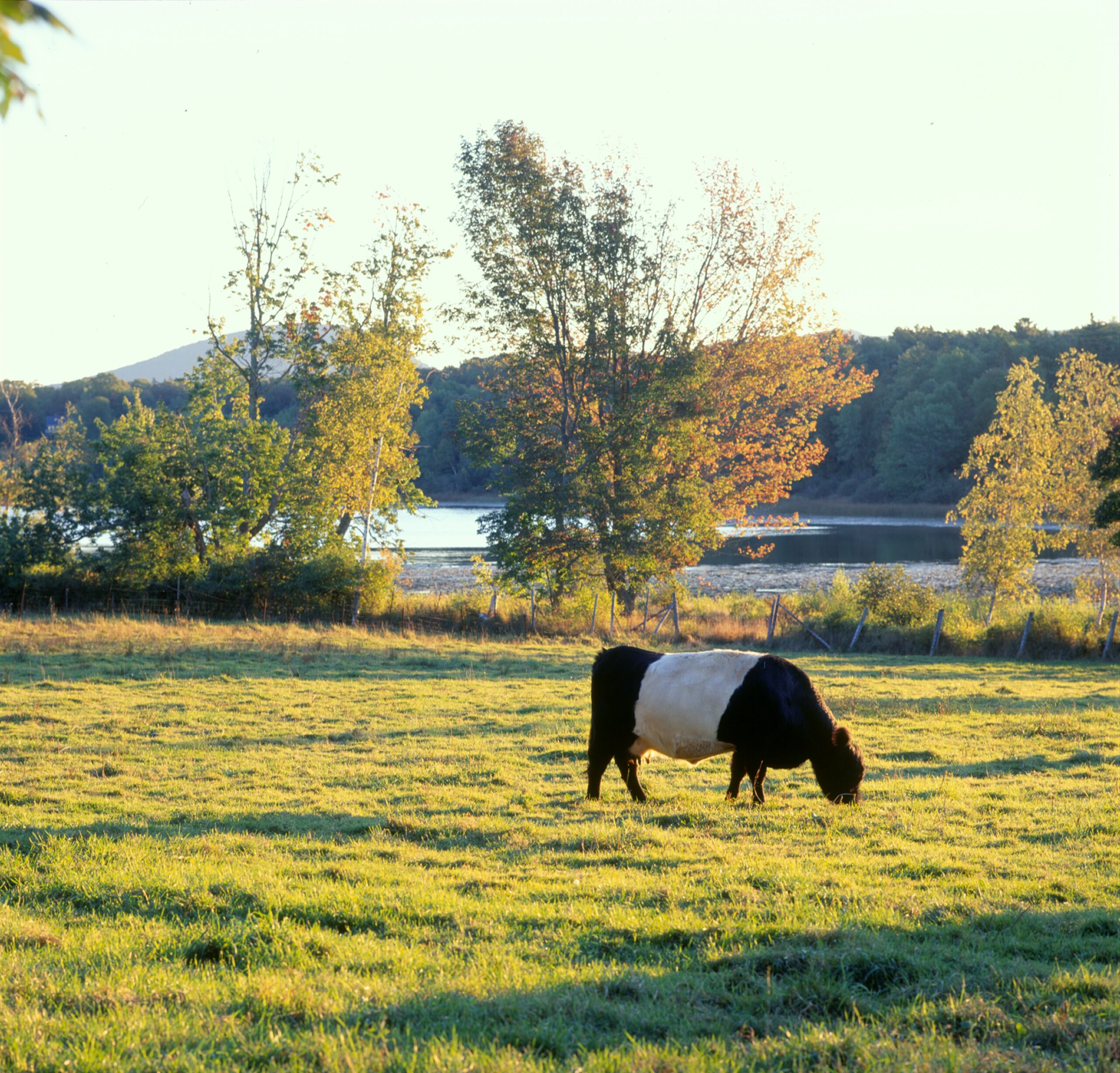
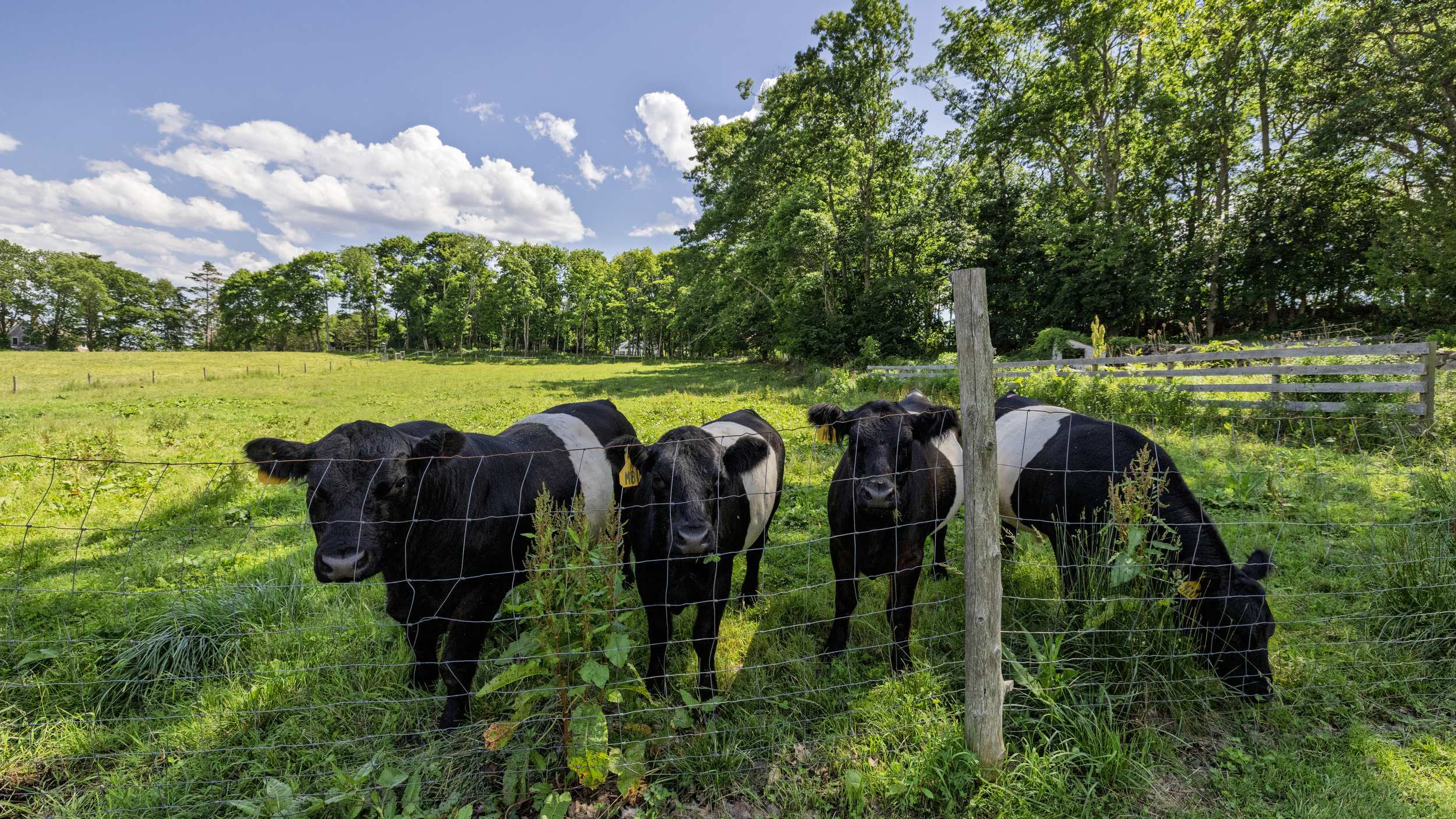
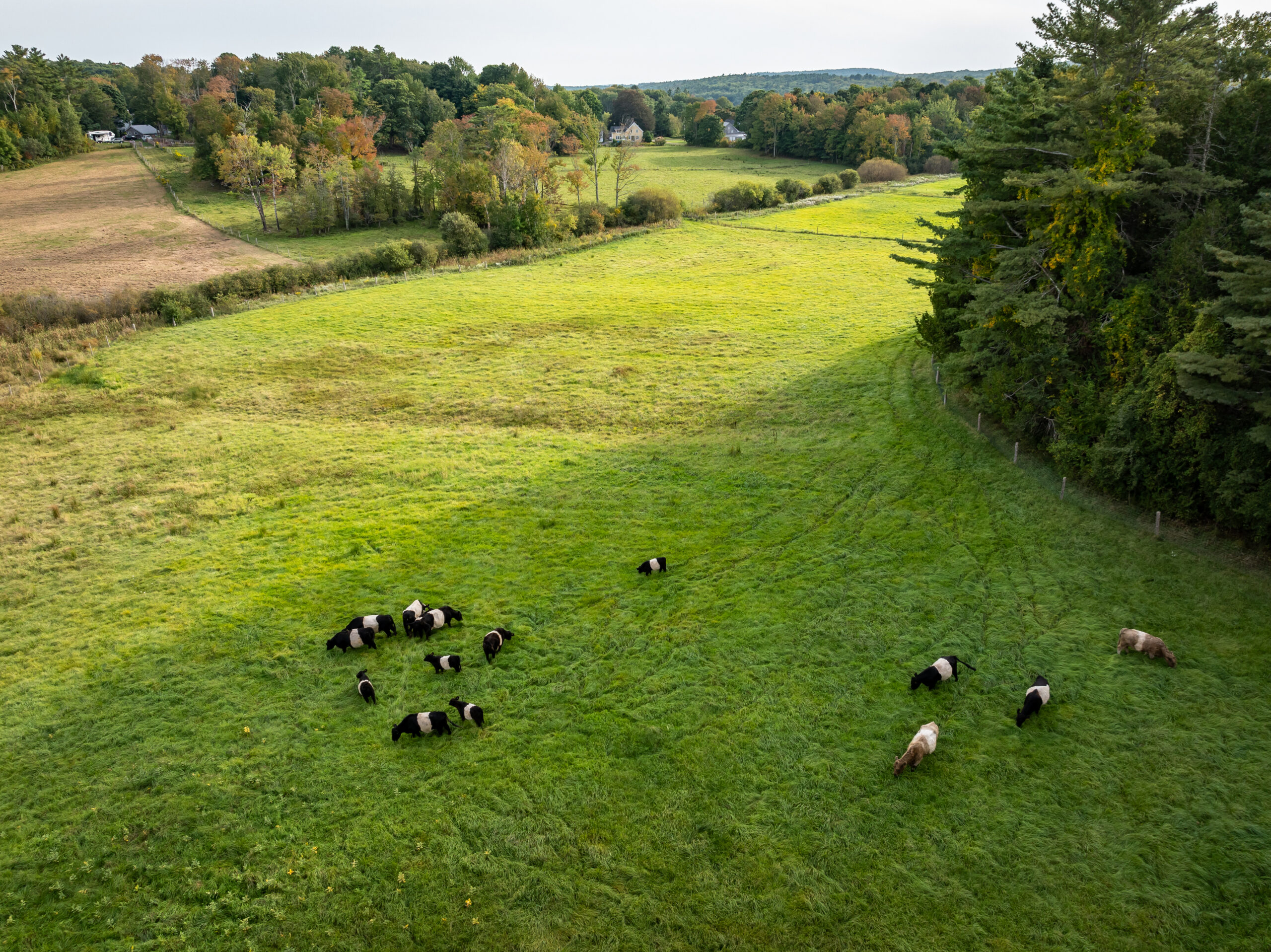
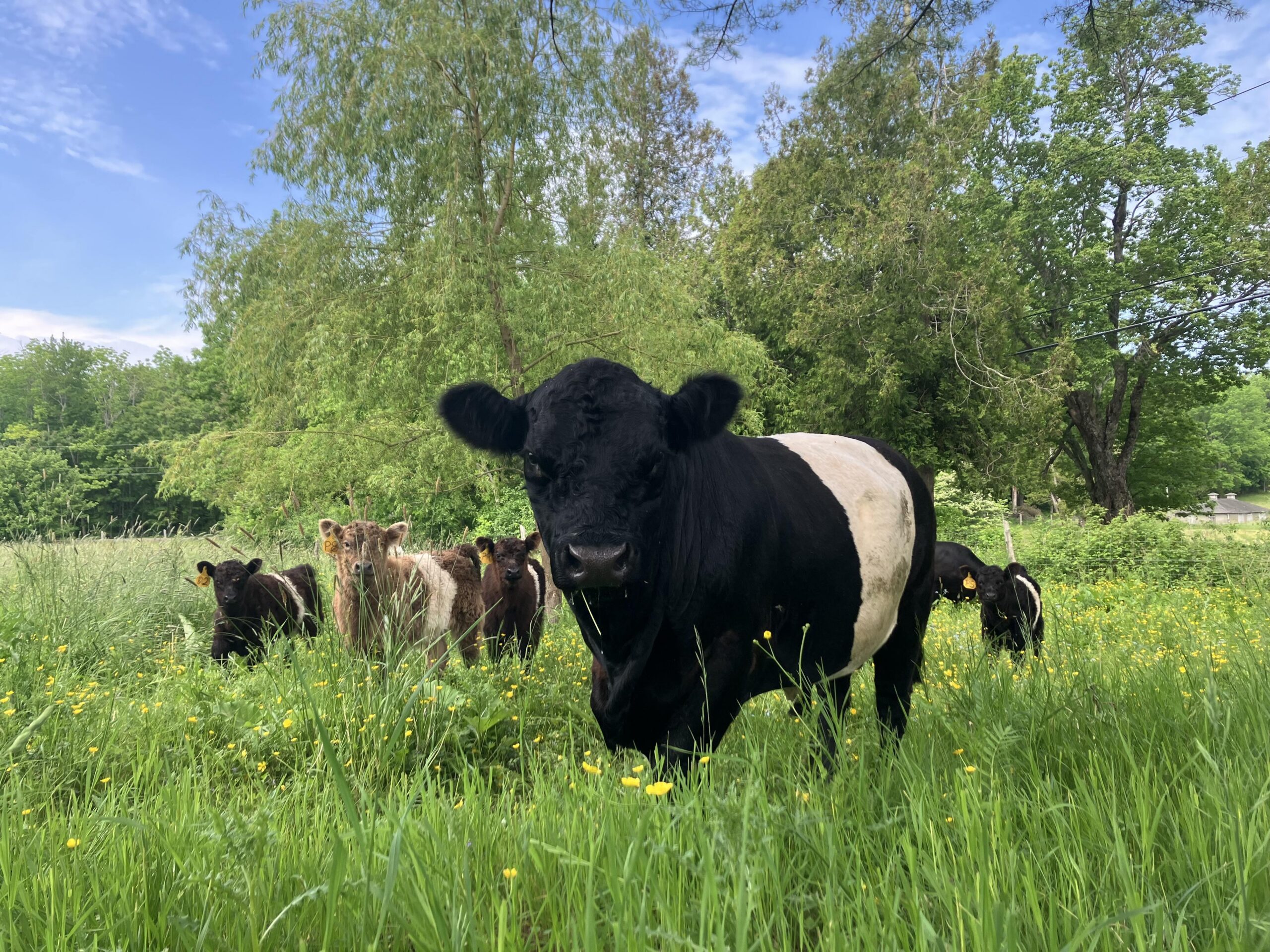
Oftentimes, visitors who are driving down Russell Avenue in Rockport ask, “Where are the cows? Why can’t we see them in the pastures?” The answer changes every few days. Aldermere Farm has 19 pastures where the Belted Galloways graze, and our herd moves pastures every three to four days. The moves are based on a calendar created by our farmers each year that is adapted on the fly as conditions change.
A Rotational Approach to Grazing
Each pasture is grazed once a month which gives them about 30 days to regrow between grazes. The 30-day rest period is averaged with shorter regrowth periods in spring (15-20 days) and longer periods in summer and fall (40-45 days). The rest and regrowth period is critical to long-term pasture and soil health that yields the best feed nature can provide.
How Grazing Builds Better Soil
This method of cattle management is called adaptive multi-paddock grazing (AMP), which is a component of regenerative agriculture. With AMP, we make careful observations and take forage quality and quantity measurements throughout the grazing season to carefully manage the meadows as well as the cows. By monitoring the quality of the pastures (and the soil beneath it), we aim to protect the wellbeing of our cows and our landscape. Regenerative agriculture restores high-functioning ecosystems and fosters mutually beneficial human-environment relationships. We’re protecting the ability of our soils and pastures to be a source of abundant life and biodiversity in perpetuity.
Healthy pastures and soils sequester carbon in their roots by pulling it out of the atmosphere and storing it underground. The roots pull carbon into the soil, feeding soil microbes that store the carbon long-term as organic material. Grassland or savannah ecosystems are one of nature’s greatest solutions to building topsoil and capturing carbon from the atmosphere.
Learning from the Great Grasslands
Research shows how rotational grazing (when done properly) can reduce our carbon footprint. This is not a new concept; in fact, it’s as old as evolution. The great grasslands of our planet Earth like the Great Plains, Mongolian Steppe, and the Serengeti are natural savannah ecosystems that have evolved over millions of years with grazing animals like buffalo and wildebeests. These grazing animals are ungulates, wild ancestors of the modern domesticated cows. In the wild, these hoofed beasts move in massive herds following grass and water availability to forage for a period and then move on, providing a rest and regrowth period for the wild pasture. This happens naturally. At Aldermere and many other regenerative farms that practice rotational grazing, we are simply mimicking a system Mother Nature has created over millions of years.
Conservation in Action at Aldermere
These rotational grazing practices prioritize ecosystem health by following Mother Nature’s example of a balanced system. Ecosystem health has a direct impact on the health and wellbeing of those who live in it — humans and animals. As a farm rooted in a vision of conservation, regenerative agriculture supports MCHT’s mission. At Aldermere, we strive to show how agriculture can be a conservation solution.