Estuaries: Where Fresh Water and Salt Water Meet
National Estuaries Week is September 19 – 27, 2026. Let’s talk about these incredibly productive ecosystems, how Maine Coast Heritage Trust is helping to keep them healthy, and what you can do to support estuaries.
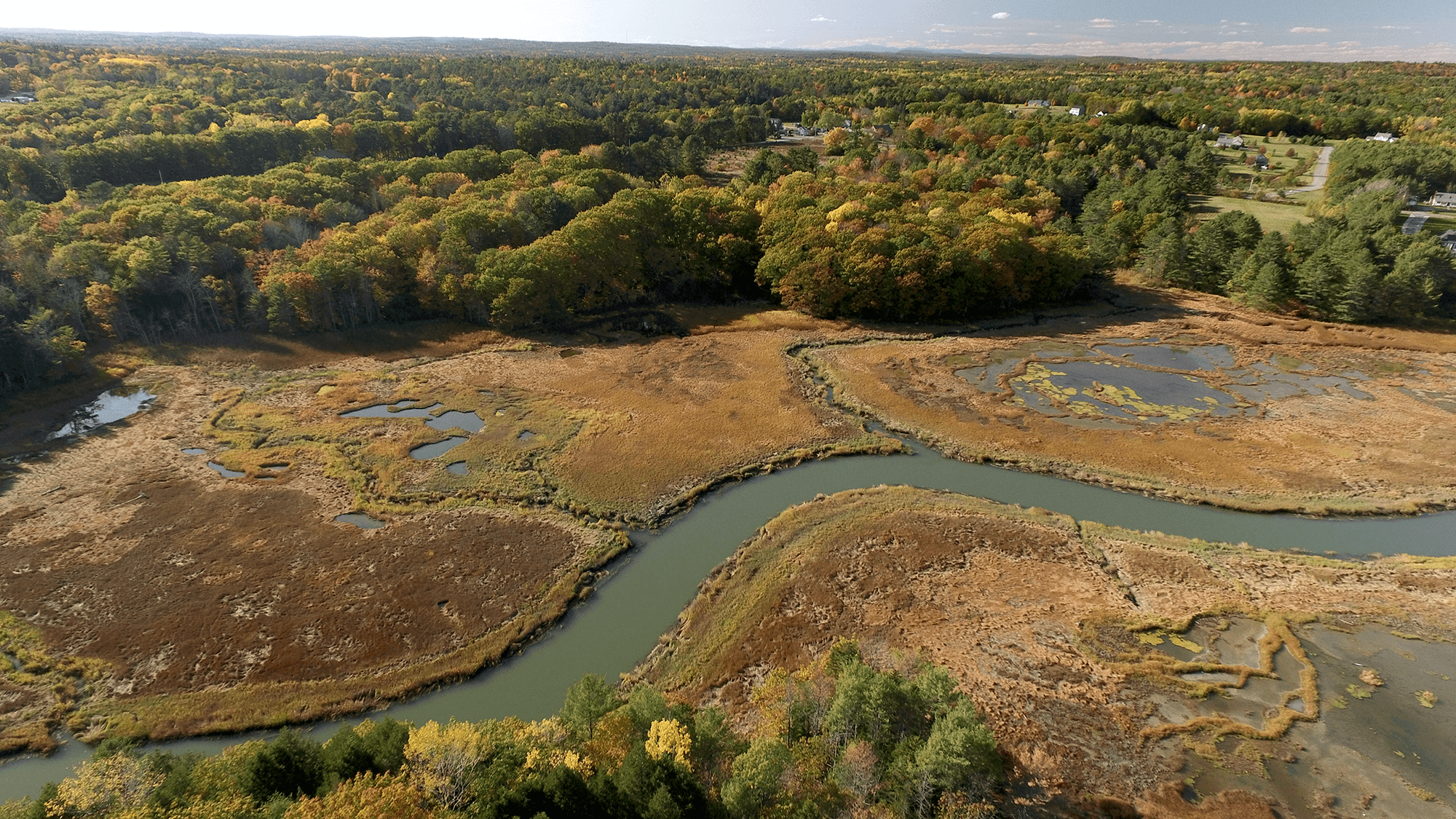
Maine’s shoreline covers over 5,300 miles of varied landscapes, featuring dramatic rocky cliffs, jutting peninsulas, hidden inlets, dune-backed beaches, and thousands of coastal islands. Among this geographic diversity are five major tidal wetlands — or estuaries — ranging from Southern Maine’s Casco Bay to Downeast Machias Bay and dozens of smaller estuaries and tidal rivers.
What is an estuary?
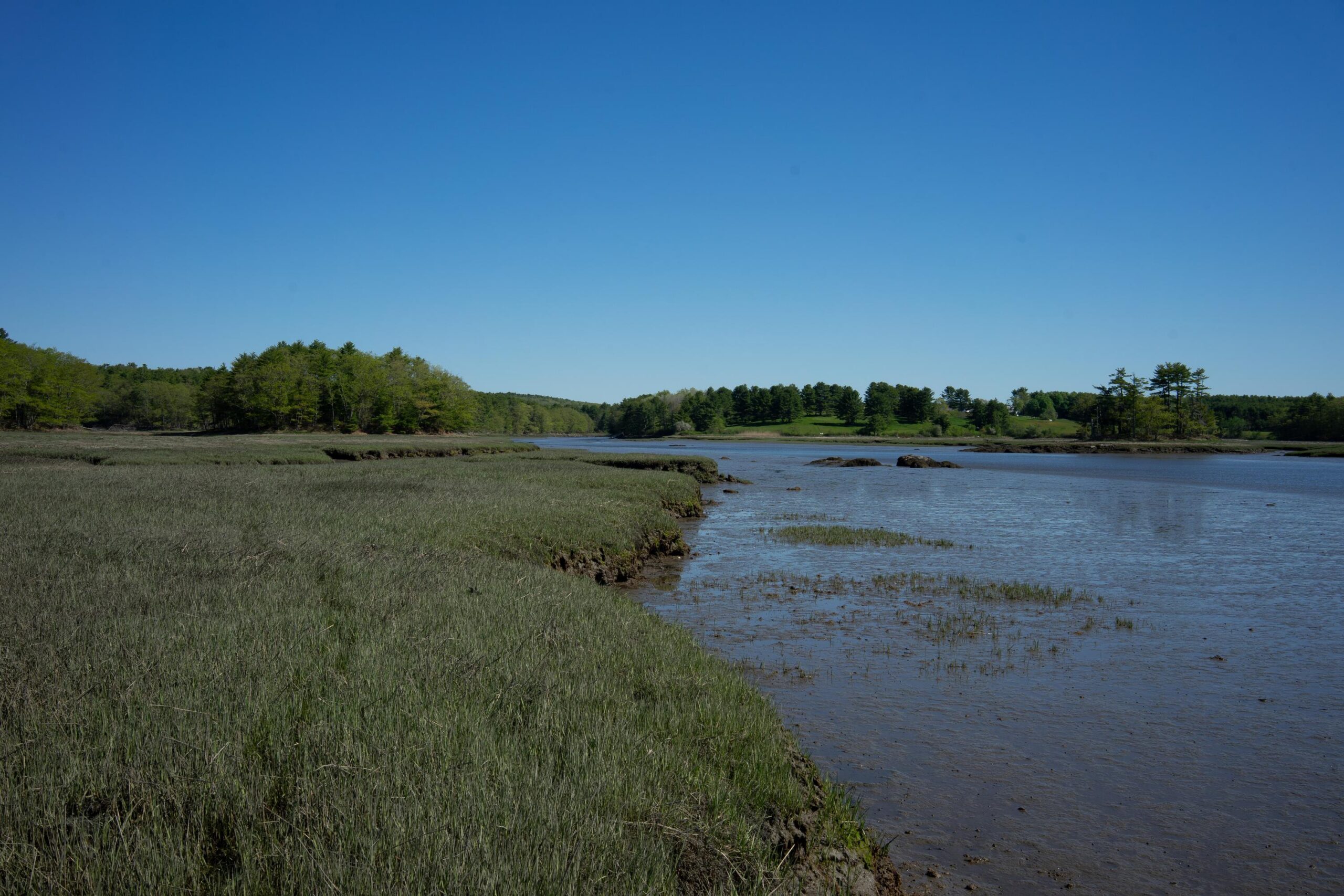
Estuaries are partially enclosed bodies of water where freshwater from rivers mixes with saltwater from the ocean, forming a unique environment that supports many different intertidal ecosystems. Because estuaries follow the tidal cycle and are exposed to fluctuating water depths and temperatures throughout the day, they can support diverse plant and animal communities.
Why estuaries are important for coastal health
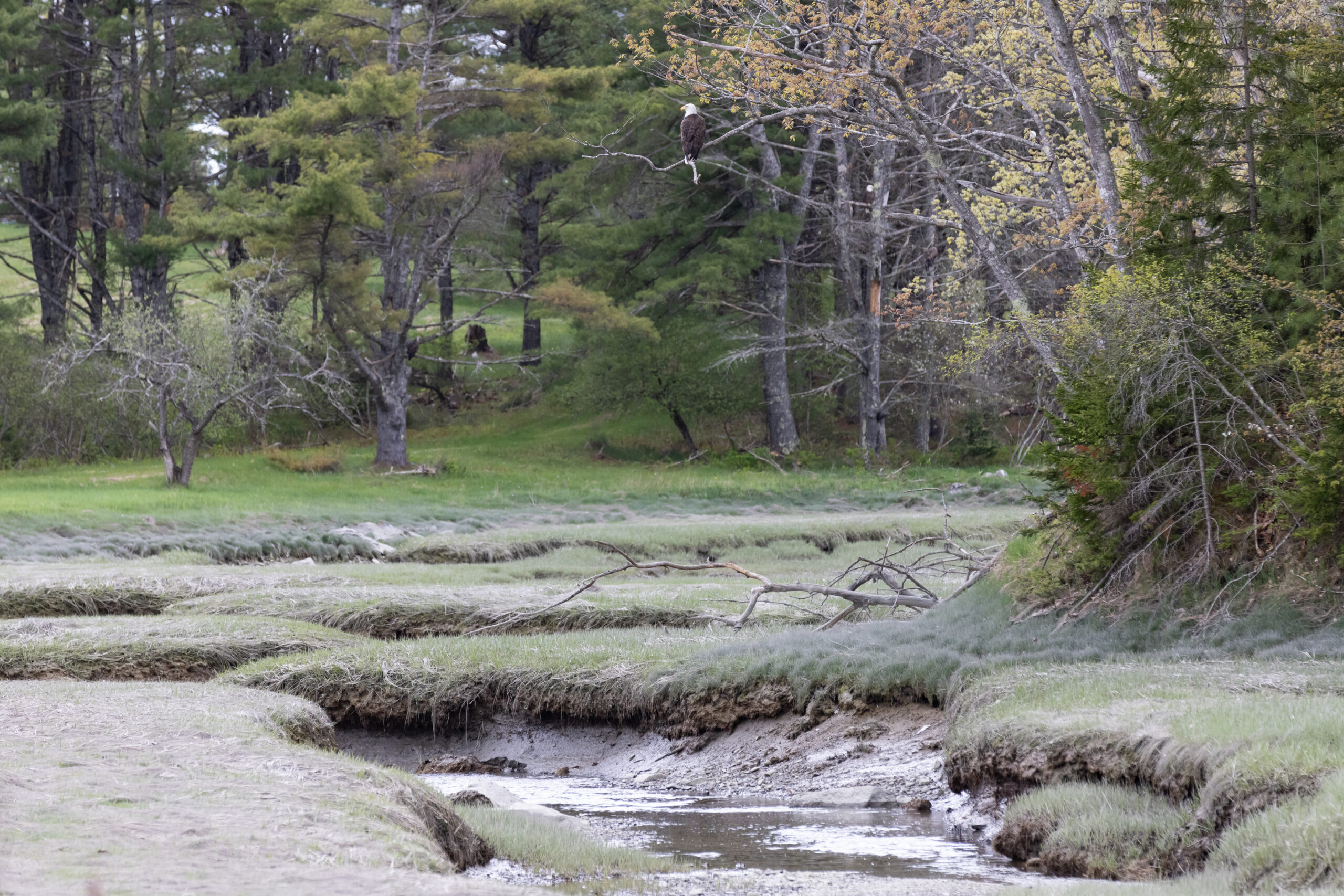
These brackish, dynamic ecosystems are rich with nutrients and life, offering protected areas to live, eat, and reproduce for countless species of fish, birds, and mammals. Often called the “nurseries of the sea,” the sheltered waters of an estuary are the perfect conditions for spawning and a place where many marine species will spend the early part of their lives.
In Maine, marshes in estuaries provide essential habitat for marine species including juvenile lobster, clams, herons, and the endangered salt marsh sparrow. They are also critical pathways for sea-run fish such as alewives and salmon that move up river to spawn. Estuaries not only support wildlife, but people, too. These natural areas protect coastal communities from storm impacts, supply vital food sources, and filter water pollution.
The role of conservation in estuary protection
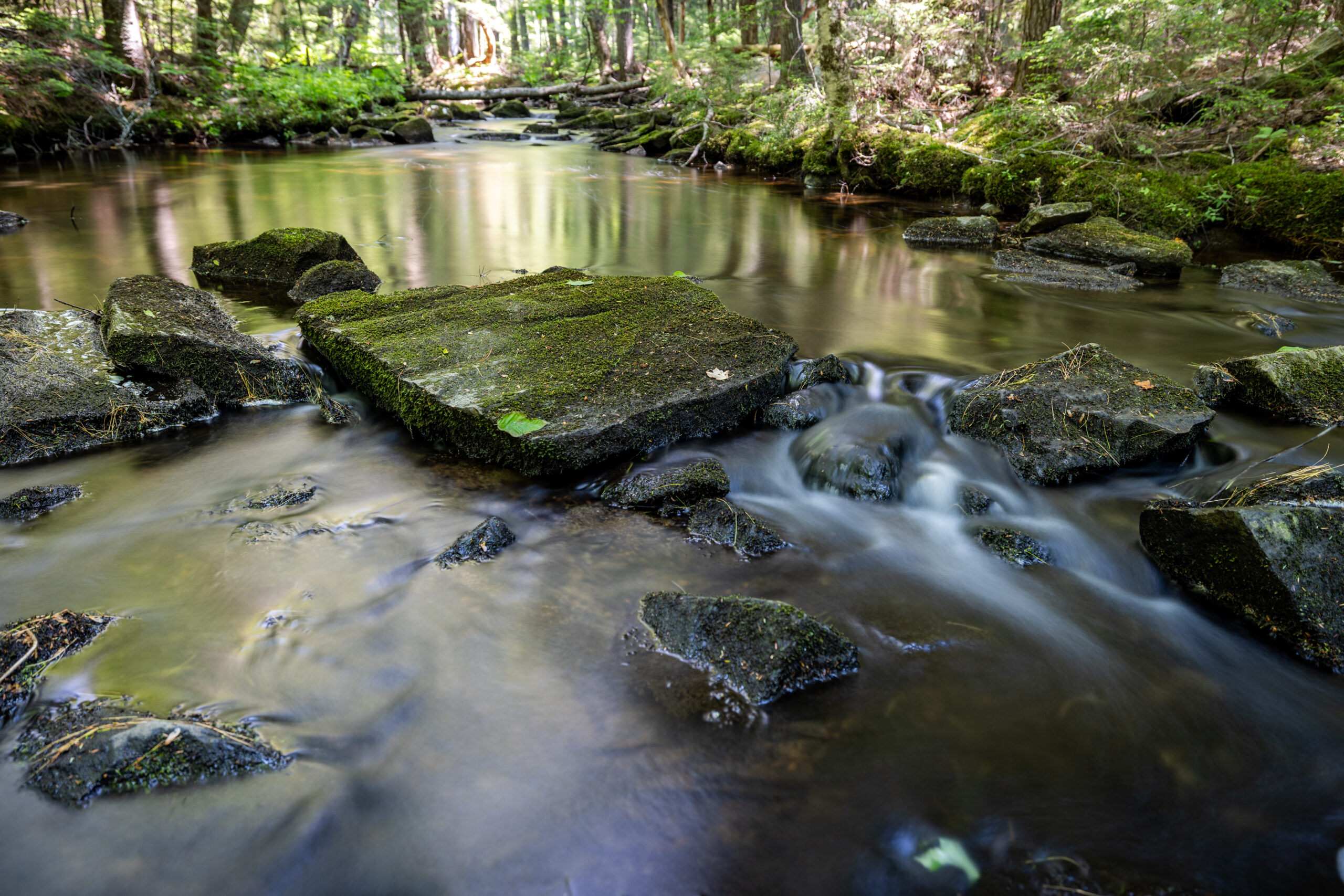
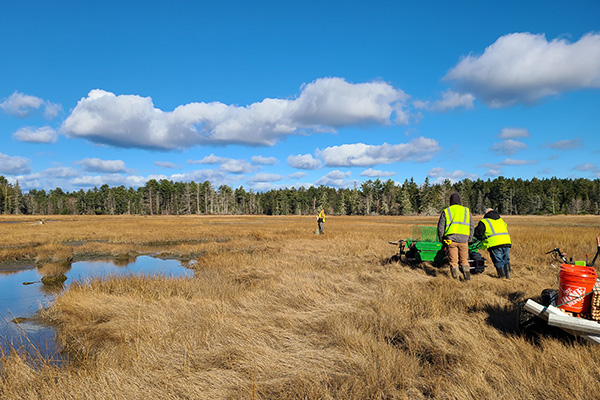
At Maine Coast Heritage Trust, we’re focused on protecting and restoring coastal rivers and tidal marshes, which are both connected to estuaries! The health of estuaries and the coast depend on the health of inland landscapes, and we partner with other organizations that share a commitment to coastal conservation to protect ponds, lakes, rivers, marshes, and forests to maximize mutual benefit to all coastal ecosystems.
Through two major statewide initiatives, MCHT’s Marshes for Tomorrow Initiative and Rivers Initiative, we’ve worked with partners to identify and prioritize the protection and restoration of 67 of the state’s most resilient marshes and five major coastal rivers. If we can protect and restore these places today, we can make sure the coast supports lives and livelihoods in the decades to come.
What can you do to support the health of Maine estuaries?
- Get to know the marshes and rivers you are close to or care about
- Learn about the people and organizations taking care of these important natural ecosystems
- Live in Southern Maine? Join us for Meet the Marsh
- Give to our Marshes Initiative or Rivers Initiative