Protecting Regular Patches of Woods to Keep Common Species Common
When you think of conservation lands in Maine, perhaps your mind first goes to iconic rocky coastlines or tidal rivers with salt marsh sparrows perched amongst reeds and grasses. Landscapes with striking vistas that provide habitat for rare, threatened and endangered species.
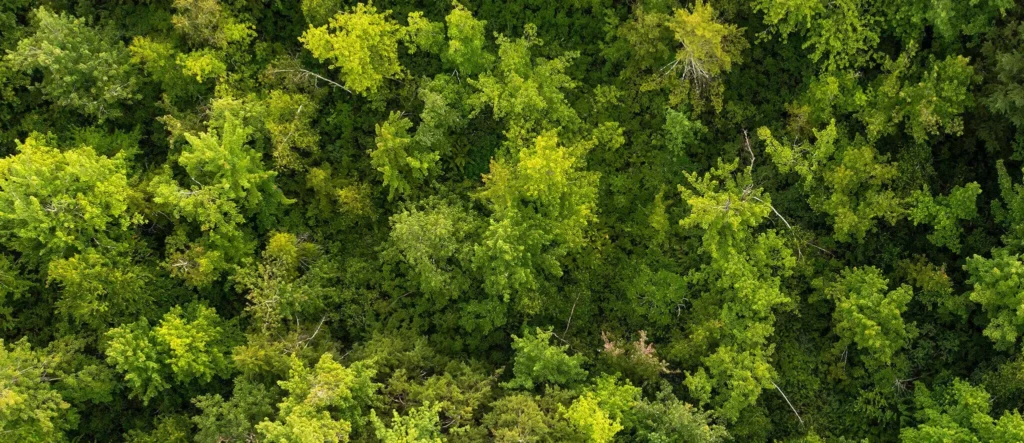
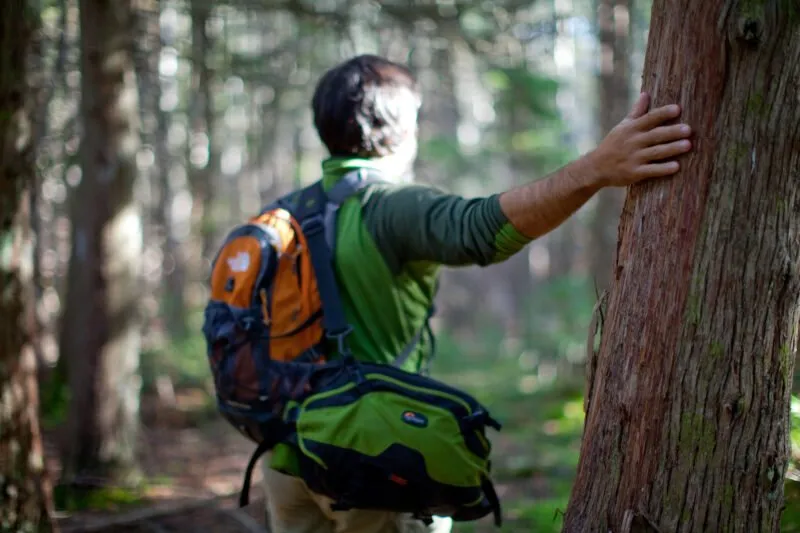
Such extraordinary tracts of land do, indeed, make up a large portion of Maine Coast Heritage Trust’s holdings, as they are amongst the most ecologically rich and vulnerable to development. But as the compounding pressures of climate change and human development intensify the vulnerability of all lands—not just the seemingly most spectacular—our efforts to protect more mundane patches of open space have become ever more urgent, says Amanda Devine, MCHT’s associate director of stewardship for southern and midcoast Maine. These easily overlooked lands provide habitat for species that we may take for granted as abundant today, but that won’t remain that way if we keep subdividing and paving over their habitat. “At a certain point, where are these animals going to live? Where are these plants going to live? We are taking away the homes of many, many creatures by virtue of the spread of humanity across the face of the earth,” Devine says.
Already, common feeder birds like the White-throated Sparrow are showing signs of significant decline across North America, with populations plunging by as much as 30 percent over the last 50 years. As global climate continues to warm, species like these will need to move great distances to survive but will struggle to do so as development encroaches ever further on their habitat.
Maine Coast Heritage Trust is working to support these common species by strategically protecting and connecting large swathes of their habitat across the state so that individuals may easily travel between them. “In order for them to not be a sad recollection of what they used to be, these parcels need to be bigger and they need to be connected,” Devine says.
In southernmost Maine, we are partnering with the Mt. Agementicus to the Sea Conservation Initiative to protect 19,000 acres of open space from the Tatnic Hills to Brave Boat Harbor and Gerrish Island on southern coast of York County—a region with the state’s highest levels of biodiversity and some of the greatest threats of development. Further down the coast, we are working on our Schoodic to Schoodic Whole Place, a 55,000-acre stretch of conserved land that spans from the Schoodic Peninsula to Schoodic Mountain and provides habitat for sensitive mammals, wading birds and waterfowl. Still further east, we are working toward our goal of connecting the Cutler Coast Public Reserved Land with the bogs and marshes of the Moosehorn National Wildlife Refuge, home to more than 225 species of birds and a diversity of other wildlife.
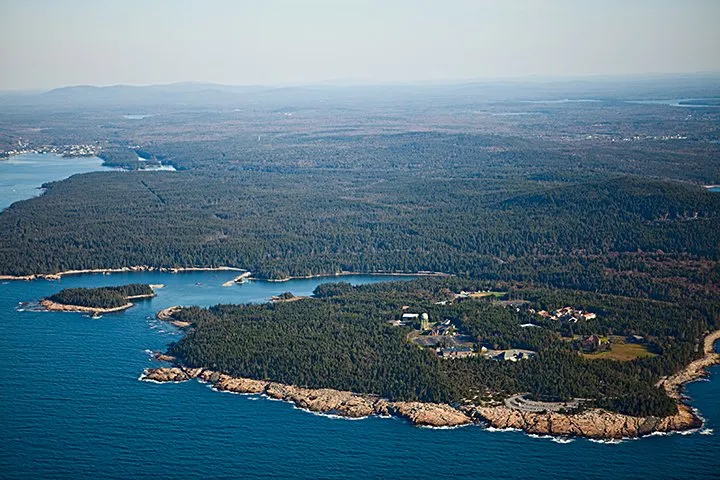
By stringing together these expansive corridors, we are not only supporting Maine’s flora and fauna but, in some cases, also ensuring that humans may continue to have access to nature. Just beyond downtown Biddeford, we are working with the Maine Water Company on a project that could protect more than 250 acres that abut other undeveloped lands.
These strategic efforts to protect regular patches of woods across the state will help common species remain common while also protecting the benefits that nature has to offer us. During these times of heightened stressors, we all stand to benefit from the solace of open space—no matter how “regular” the land may seem.
Author Bio: Laura Poppick is a science and environmental journalist based in Portland. She is at work on Strata, a book on Earth’s geologic history that will published by W. W. Norton.