
Nature Connects: Mapping the Movements of Maine’s Birds
The newly released Maine Bird Atlas reveals critical insights on the health and distribution of species across the state.
By Doug Hitchcox | November 2026
Assessing the health of Maine wildlife is a challenging but essential process, as climate change, development, evolving forest practices, and other forces reshape Maine’s landscape. Thanks to the monumental effort of thousands of volunteers who worked on the Maine Bird Atlas, we now know more than ever about bird species across the state.
The Maine Bird Atlas was a collaborative effort directed and funded by Maine Department of Inland Fisheries & Wildlife, with coordination, editing, and publication led by Maine Natural History Observatory in partnership with Maine Audubon and Biodiversity Research Institute. Over the five-year period from 2018 to 2022, volunteers documented the distribution and relative abundance of all breeding and wintering birds across the entire state. In an unprecedented effort, 6,551 volunteers gave more than 200,000 hours and submitted 2.6 million records.
A bird atlas is a standardized, large-scale survey conducted within a geopolitical region, typically a state or province. It offers a valuable snapshot that sets a baseline to monitor changes in species’ ranges and distributions over time. This is the second atlas in Maine (the first was conducted from 1978 to 1983) and showcases not just the status of Maine birds today, but also how and why it has changed over the past forty years.
The Maine Bird Atlas, which includes data on all species in the state, revealed many species expanding their ranges northward, including Carolina Wrens, Red-bellied Woodpeckers, Northern Cardinals, and Tufted Titmice. The wren and woodpecker weren’t breeding in Maine at all during the first atlas, but are now established across the southern half of the state. A warming climate has fostered their movement, and suburbanization has aided them by providing preferred shrubby habitat and backyard bird feeders.
At the same time, climate change is pushing a host of species north from the southern edge of their ranges. Boreal Chickadees, for example, which formerly bred in boreal spruce forests in the northern and western parts of the state and southeast to Penobscot Bay, are rapidly moving north, likely following climate-sensitive insect prey. They are now absent from the downeast region.
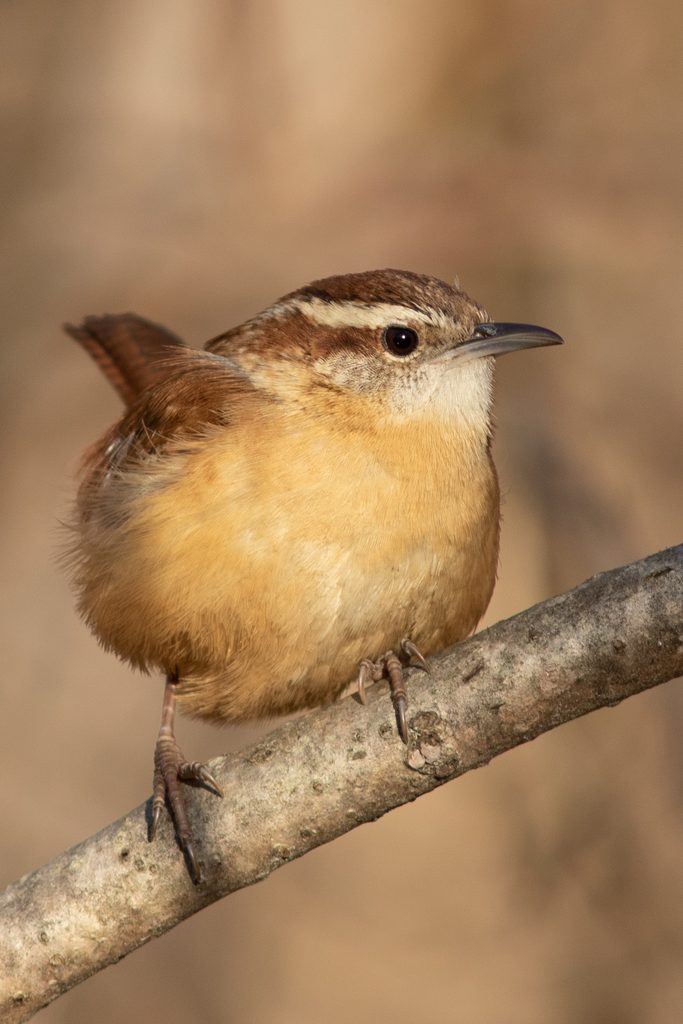
Photo courtesy of Doug Hitchcox
A few species, however, are bucking the northerly trend and shifting south. Fox Sparrows have historically migrated north through Maine in the spring, and south in the late fall. While the 1983 atlas recorded this species breeding at just two sites in Maine, this latest atlas includes data from 95 breeding sites. If you venture to the mountains in northwestern Maine, you can find them singing from dense spruce-fir stands at high elevations. This expansion is likely linked to the increase in young spruce-fir stands from less clearcutting, and is also being recorded in New Hampshire, Quebec, and Nova Scotia.
Habitat change is one of the most important factors influencing bird populations. This is most dramatically seen among grassland birds like Eastern Meadowlarks and Bobolinks. Grassland habitat is disappearing in Maine as agriculture gives way to development and forest. There’s a similar story unfolding for aerial insectivores like swallows and martins.
During the first atlas, Bank Swallows were an abundant species that nested across the state and were unlikely to have garnered much attention. But since then, there has been a 65 percent decline in the total area occupied by breeding Bank Swallows, a finding that was significant enough for the state to list this species as “Threatened” under the Maine Endangered Species Act in 2023. The exact reason for these declines is unknown, but contributing factors likely include a combination of habitat loss, land-use changes, climate change causing phenological asynchrony, and increased pesticide use.
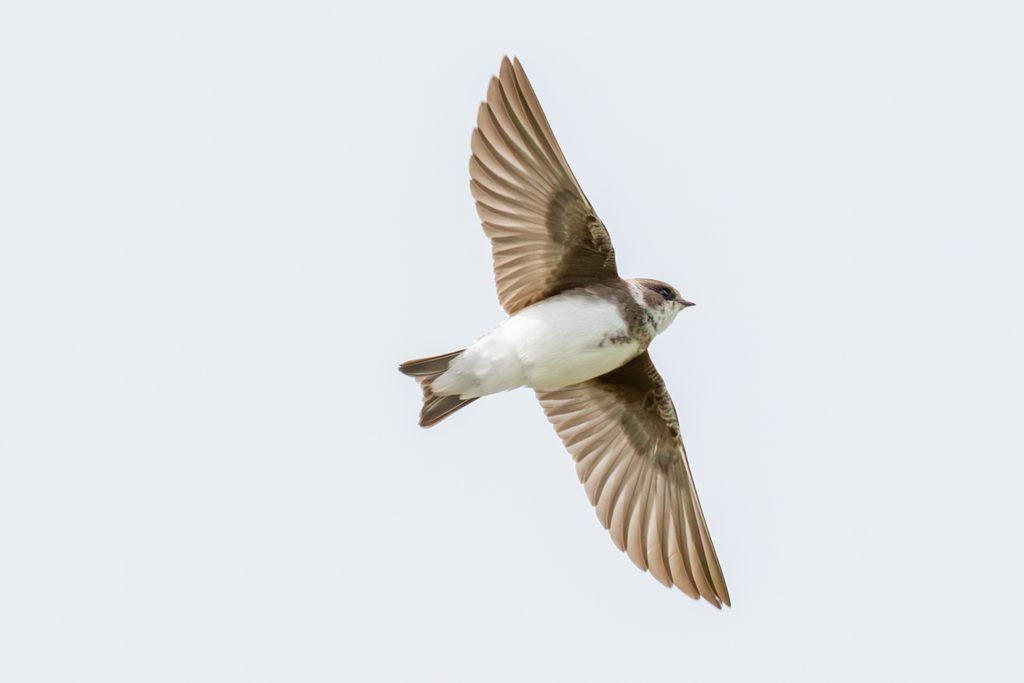
Photo courtesy of Louis Bevier
The full results of the Maine Bird Atlas are being published by the University of Maine Press in a beautifully produced, 750-page volume, bringing together species accounts, maps, photographs, and analysis. There will also be an online data portal available for use by the public, conservation practitioners, students, land managers, or anyone who wants to be able to access and build upon this work. You can learn more about the book, including upcoming launch celebration events, at maine.gov/birdatlas.
The Maine Bird Atlas may be complete, but the work is just beginning! The results are meant to help guide and inform management decisions and support habitat protection efforts for Maine birds. We hope they also encourage further inquiry, research, and analysis to expand our understanding of the amazing natural resources here in Maine.
About the Author
Doug Hitchcox is Maine Audubon staff naturalist and one of the editors of the Maine Bird Atlas along with Adrienne Leppold, Glen Mittelhauser, Amy McLaughlin, and Logan Parker.
“Nature Connects” is a monthly column showcasing conservation stories from people and organizations across Maine. To learn more or suggest story ideas, email reply@mcht.org.