
Maine Coast Heritage Trust Announces Conservation of 1,700 Acres on Schoodic Peninsula
The deal further protects an important wildlife corridor—one of the last of its kind on the Eastern Seaboard—and offers opportunities for research, education, and recreation
(WINTER HARBOR December 20, 2021) – Maine Coast Heritage Trust (MCHT), a statewide land conservation organization, announced today that a deal has been finalized to secure the protection of 1,700 acres of forestland—the so called “Schoodic Forest”—on the Schoodic Peninsula in Winter Harbor. This marks significant progress in a longstanding effort to conserve a largely intact wildlife corridor stretching from the ocean to inland forest—one of the last of its kind on the Eastern Seaboard. Over the past four decades, MCHT has been working with partners, including Frenchman Bay Conservancy, The Nature Conservancy, U.S. Fish and Wildlife Service, State of Maine, and Acadia National Park to conserve over 55,000 acres in the “Schoodic to Schoodic” wildlife corridor, which extends from the Schoodic Peninsula to Schoodic Mountain in the State’s Donnell Pond Public Reserved Land and continuing north.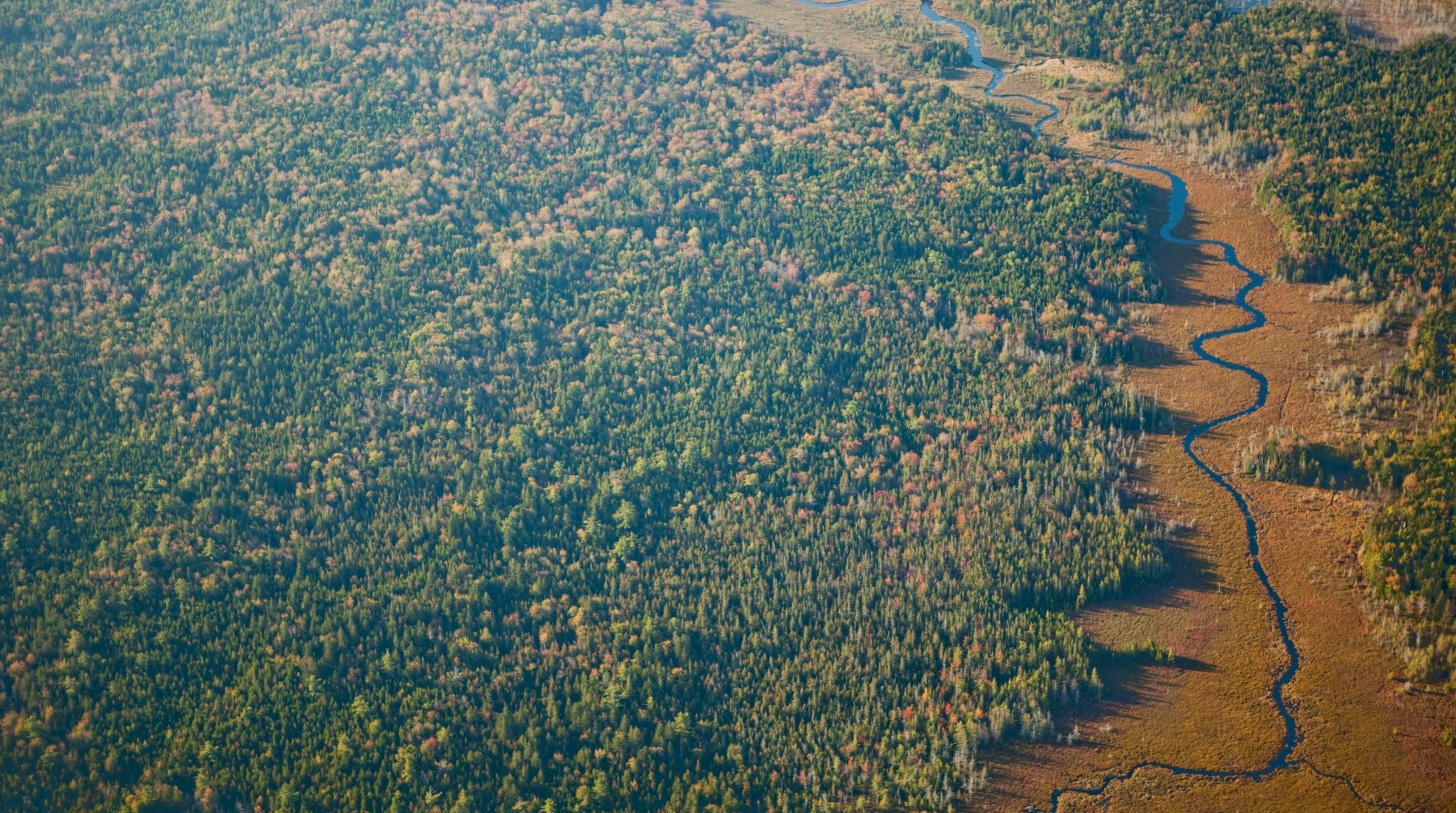 “Habitat protection of this size and scope has become increasingly important and increasingly rare,” said MCHT project manager Bob DeForrest. “If we conserve these connected landscapes now, wildlife will have a greater chance of finding food and hospitable places to live as temperatures continue to warm. Conservation of this area will also allow for range shifts in plant life, which is critical to keeping ecosystems healthy and making Maine more resilient to climate change impacts.”
MCHT will manage the newly protected land with scientific assistance from Schoodic Institute. The primary goals are to maintain the mostly forested land as wildlife habitat, and to support research and educational opportunities.
“This property offers significant research opportunities for understanding rapid environmental changes to forests and improving resource management. This newly conserved land will be part of our ongoing efforts with MCHT and other partners to advance climate change adaptation science and include everyone in our science,” said Nick Fisichelli, Schoodic Institute President and CEO.
The organizations will work with local community members to ensure people will be able to access the land. The property, which was subject to an extensive timber harvest in the 1990s, is currently enjoyed by some locals for activities such as hunting. “We look forward to talking with the community about current use of the property and future scientific, educational, and recreational opportunities that this land can provide,” said DeForrest.
“Habitat protection of this size and scope has become increasingly important and increasingly rare,” said MCHT project manager Bob DeForrest. “If we conserve these connected landscapes now, wildlife will have a greater chance of finding food and hospitable places to live as temperatures continue to warm. Conservation of this area will also allow for range shifts in plant life, which is critical to keeping ecosystems healthy and making Maine more resilient to climate change impacts.”
MCHT will manage the newly protected land with scientific assistance from Schoodic Institute. The primary goals are to maintain the mostly forested land as wildlife habitat, and to support research and educational opportunities.
“This property offers significant research opportunities for understanding rapid environmental changes to forests and improving resource management. This newly conserved land will be part of our ongoing efforts with MCHT and other partners to advance climate change adaptation science and include everyone in our science,” said Nick Fisichelli, Schoodic Institute President and CEO.
The organizations will work with local community members to ensure people will be able to access the land. The property, which was subject to an extensive timber harvest in the 1990s, is currently enjoyed by some locals for activities such as hunting. “We look forward to talking with the community about current use of the property and future scientific, educational, and recreational opportunities that this land can provide,” said DeForrest.