Sheepscot River
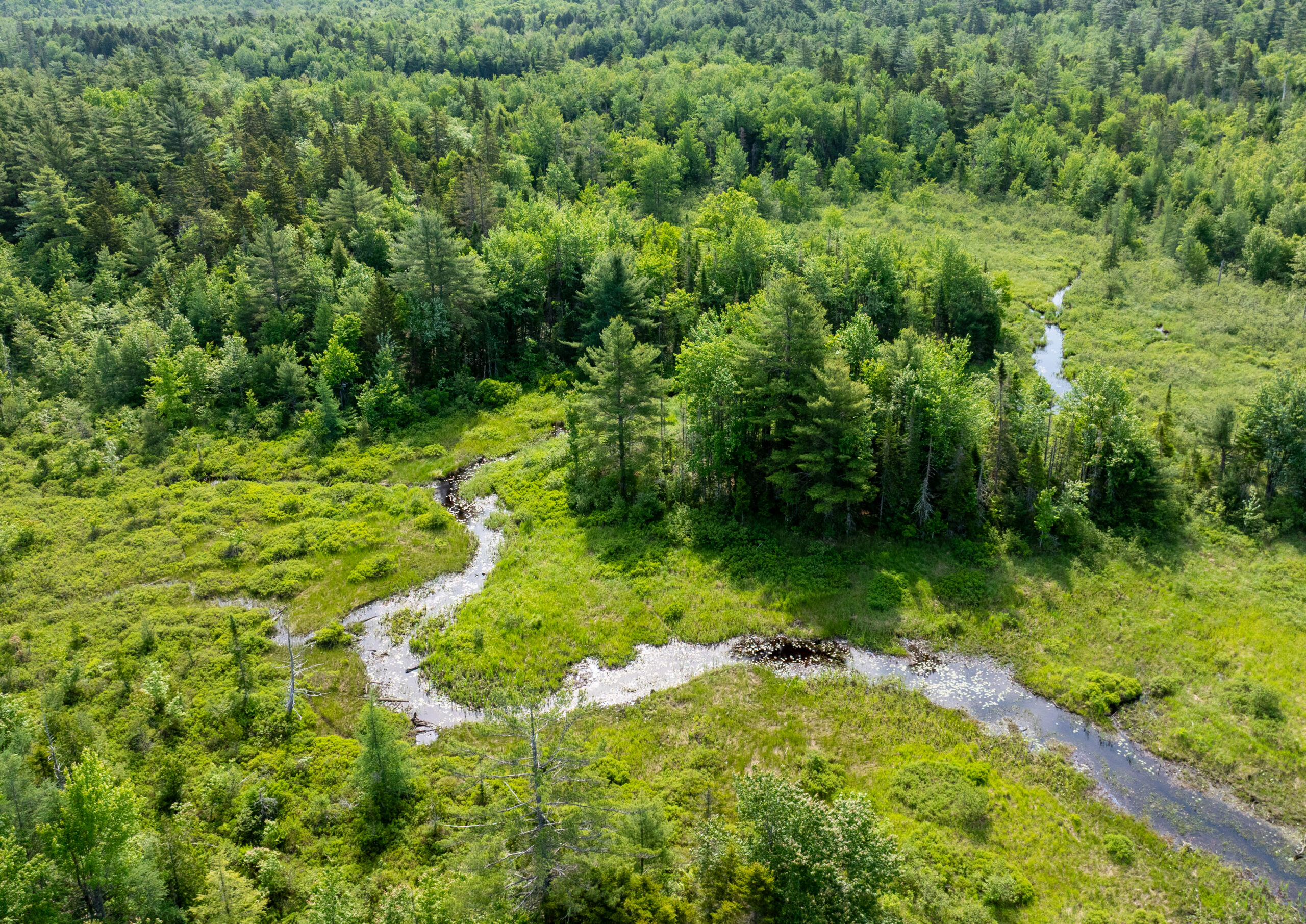
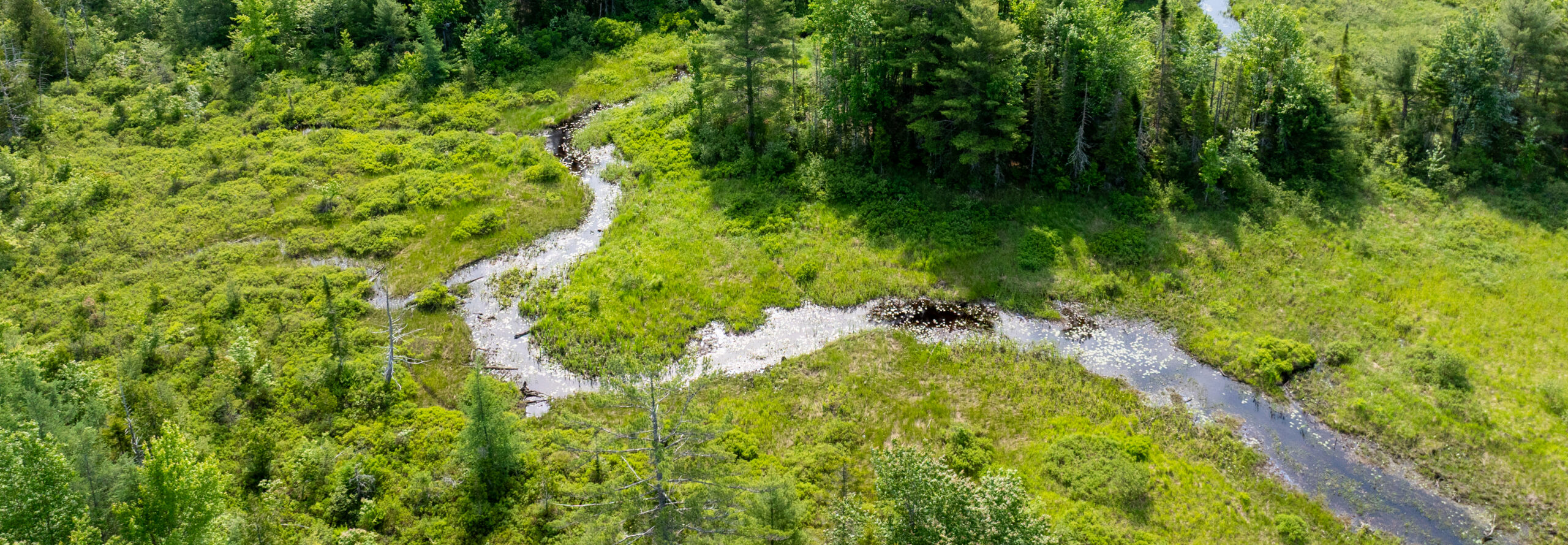
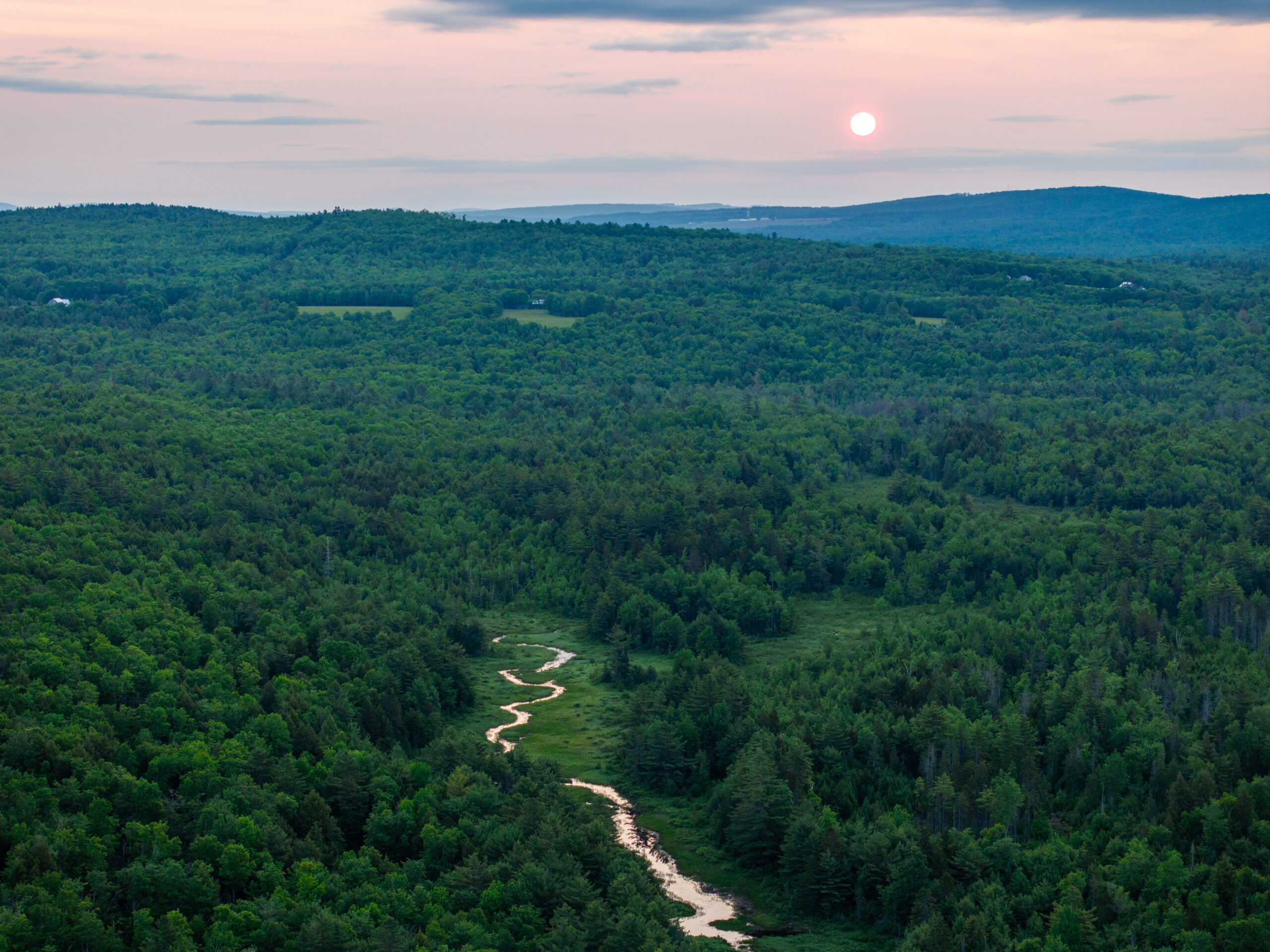
The 58-mile Sheepscot River begins in the headwaters of Montville and Freedom, and passes through four counties and 20 towns before entering the wider estuary in Wiscasset and flowing into the ocean near Boothbay. The 320-square-mile watershed includes more than 30 lakes and ponds; expansive wetlands and forests; and rare fresh, brackish, and salt-marsh systems that provide rich habitat.
As one of only several rivers in the United States that still supports a wild returning population of endangered Atlantic salmon, the Sheepscot is also home to a genetically distinct salmon population that may be uniquely tolerant of warming waters and land-use pressure.
The river supports all 12 of Maine’s native sea-run fish species, wild eastern brook trout, the globally rare brook floater mussel, saltmarsh sparrows, and other rare wildlife. Large blocks of unfragmented forest and intact wetlands in the northern watershed help maintain cold-water conditions essential for numerous species.
In addition to its ecological benefits, the Sheepscot River has long shaped the region’s cultural identity. Today, the river supports paddling, fishing, and walking trails, while still bearing the impacts of log drives and mills from centuries ago. Restoration can help protect and improve water quality and provide flood resiliency, which is necessary for the health of communities that live and recreate around the river.
Midcoast Conservancy leads conservation and restoration efforts in the Sheepscot. It has conserved approximately 7,500 acres across the watershed and leads river restoration projects, water-quality monitoring, and community science programs. Maine Coast Heritage Trust (MCHT) is a key partner, advancing land conservation and supporting restoration priorities. Today, the Sheepscot is a priority in MCHT’s Rivers Initiative, a coast‑wide effort to protect and restore key rivers essential to the long‑term health and resilience of the Gulf of Maine. Other partners include U.S. Fish and Wildlife Service, Maine Department of Marine Resources, Atlantic Salmon Federation, The Nature Conservancy in Maine, Maine Department of Environmental Protection, Natural Resources Conservation Service.
The long-term goal is to restore the river for the benefit of all native species that depend on it (including humans) and recover a self-sustaining population of Atlantic salmon.
Conservation Successes and Priority Projects
Restoring Fish Passage
Led by the Atlantic Salmon Federation with support from many partners, efforts have reconnected 80 miles of stream and 875 acres of pond habitat. Additional opportunities remain to improve passage to upstream ponds and tributaries, expanding habitat for salmon, alewives, and other fish.
Improving In-stream Habitat
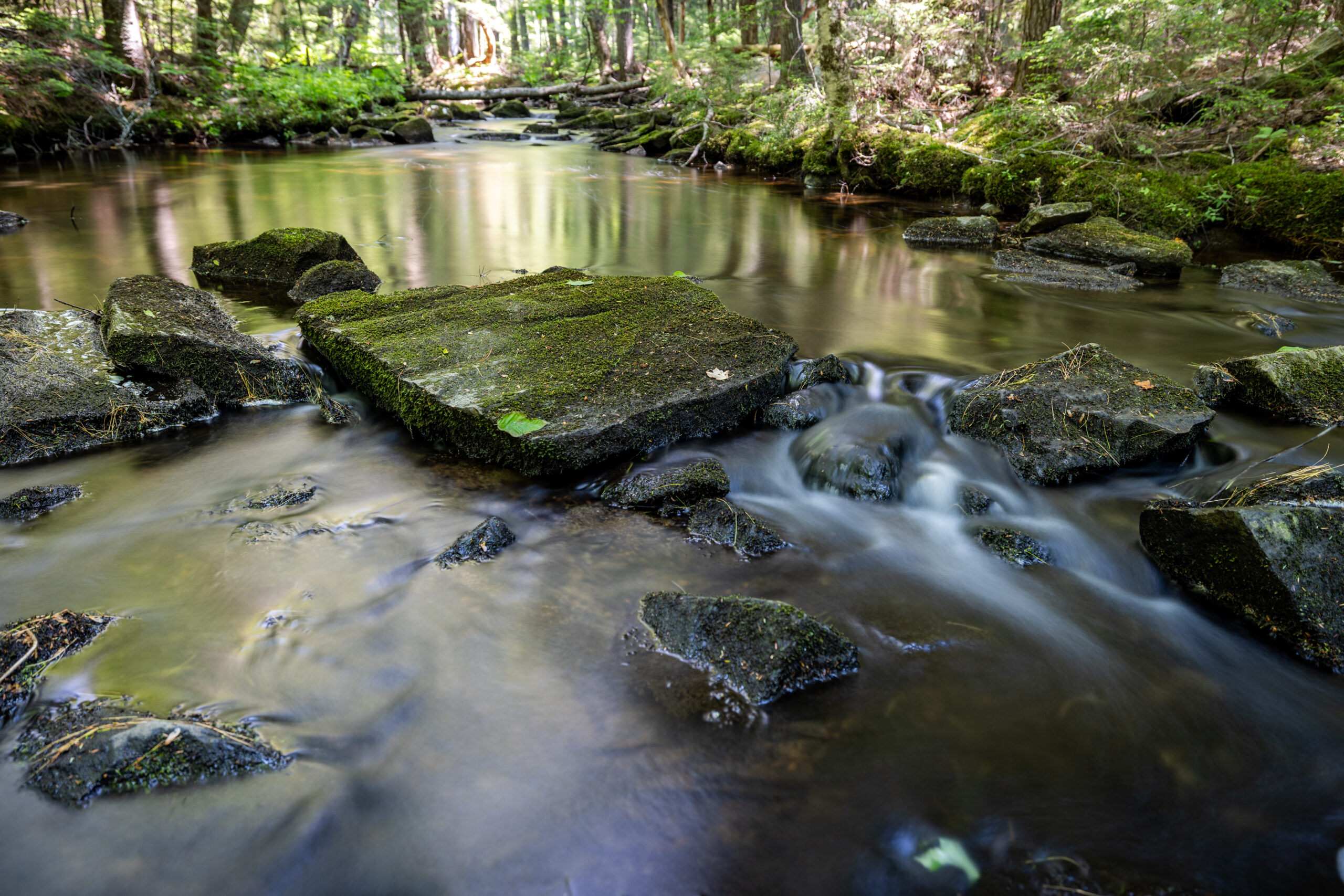
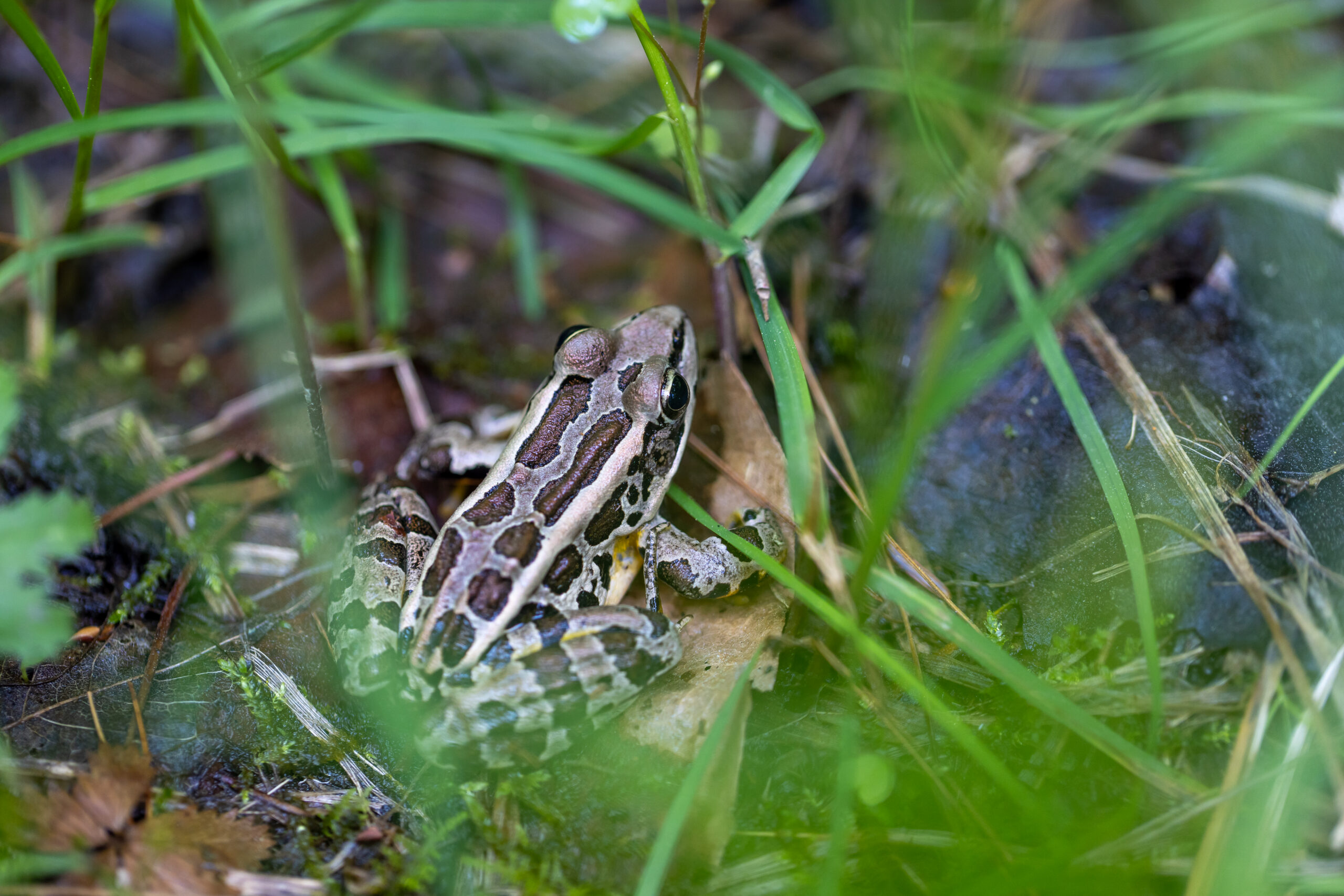
Centuries of damming, milling, and log drives have impaired the river, with elevated temperatures, sedimentation, and reduced dissolved oxygen. Restoration efforts will next add large wood, reconnect floodplains, restore natural channel width, improve cold-water refugia, and enhance habitat for salmon and co-evolved species.
Continuing Land Conservation
Midcoast Conservancy, MCHT, and other partners are working to protect key riparian corridors, wetlands, and groundwater inputs — especially in areas where conservation has been limited — to support cold-water habitat and long-term climate resilience.
By the Numbers
12
native sea-run fish species
22
towns and four counties: Waldo, Knox, Kennebec, and Lincoln
58
river miles and 80 miles of stream; 320-square-mile watershed
14,500
acres conserved in the watershed
875
acres of pond habitat opened through fish passage efforts
One of the first Maine rivers to focus on in-stream habitat restoration
Vision for the Future
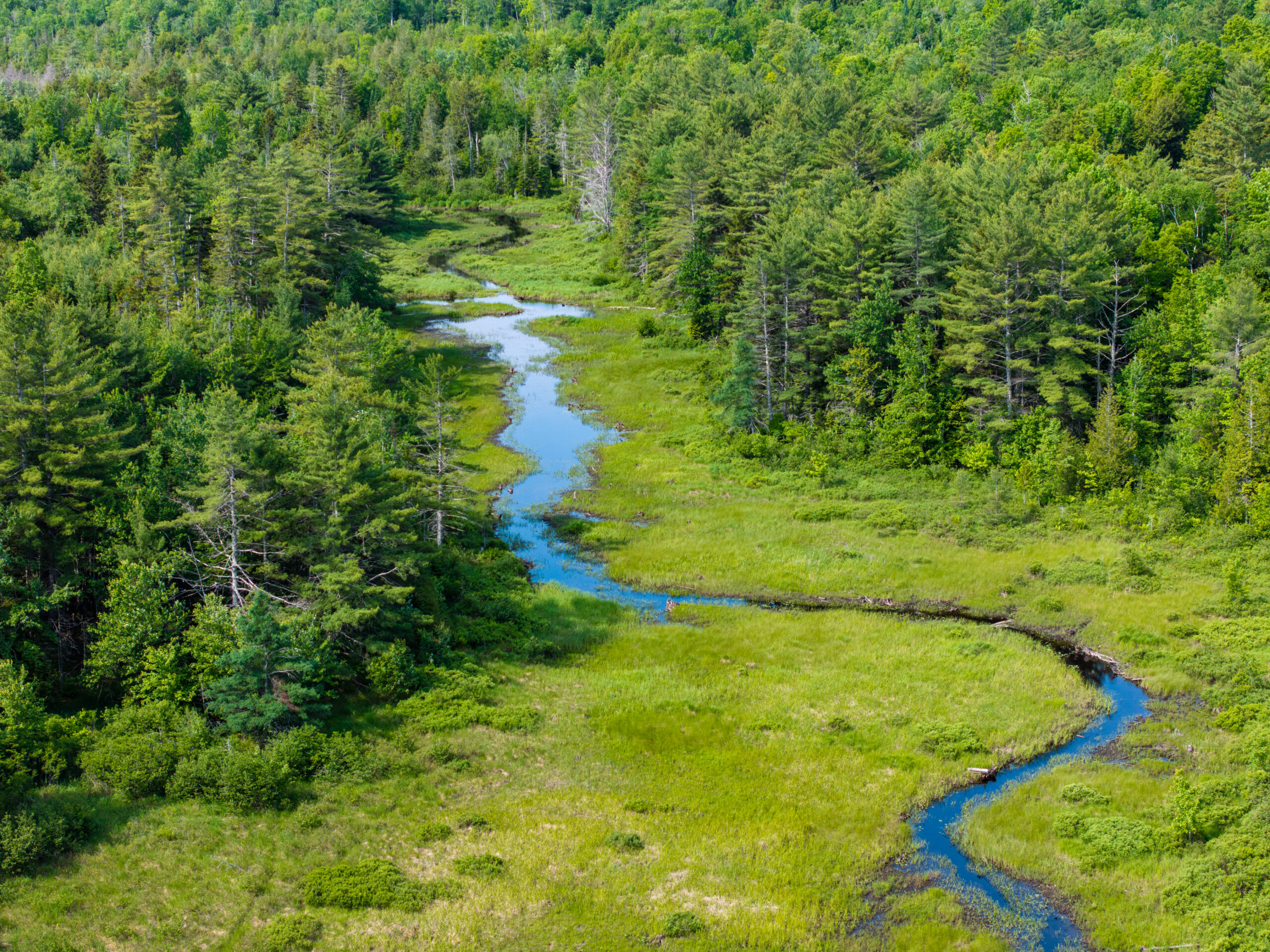
Success on the Sheepscot means a river where Atlantic salmon, brook trout, and all native sea-run fish move freely from headwaters to sea; where cold-water habitat remains intact and resilient; and where human communities continue to love and care for the river. It means a watershed where forests, wetlands, and streams remain connected, and where restoration, land conservation, and stewardship secure a thriving river for generations to come.
For More Information:
Midcoast Conservancy’s Melissa Cote
Sheepscot River Watershed Manager
(207) 386-6490
Email Melissa
MCHT’s Adam Pereira
Associate Director of Land Protection
(207) 607-4588
Email Adam