Orange River
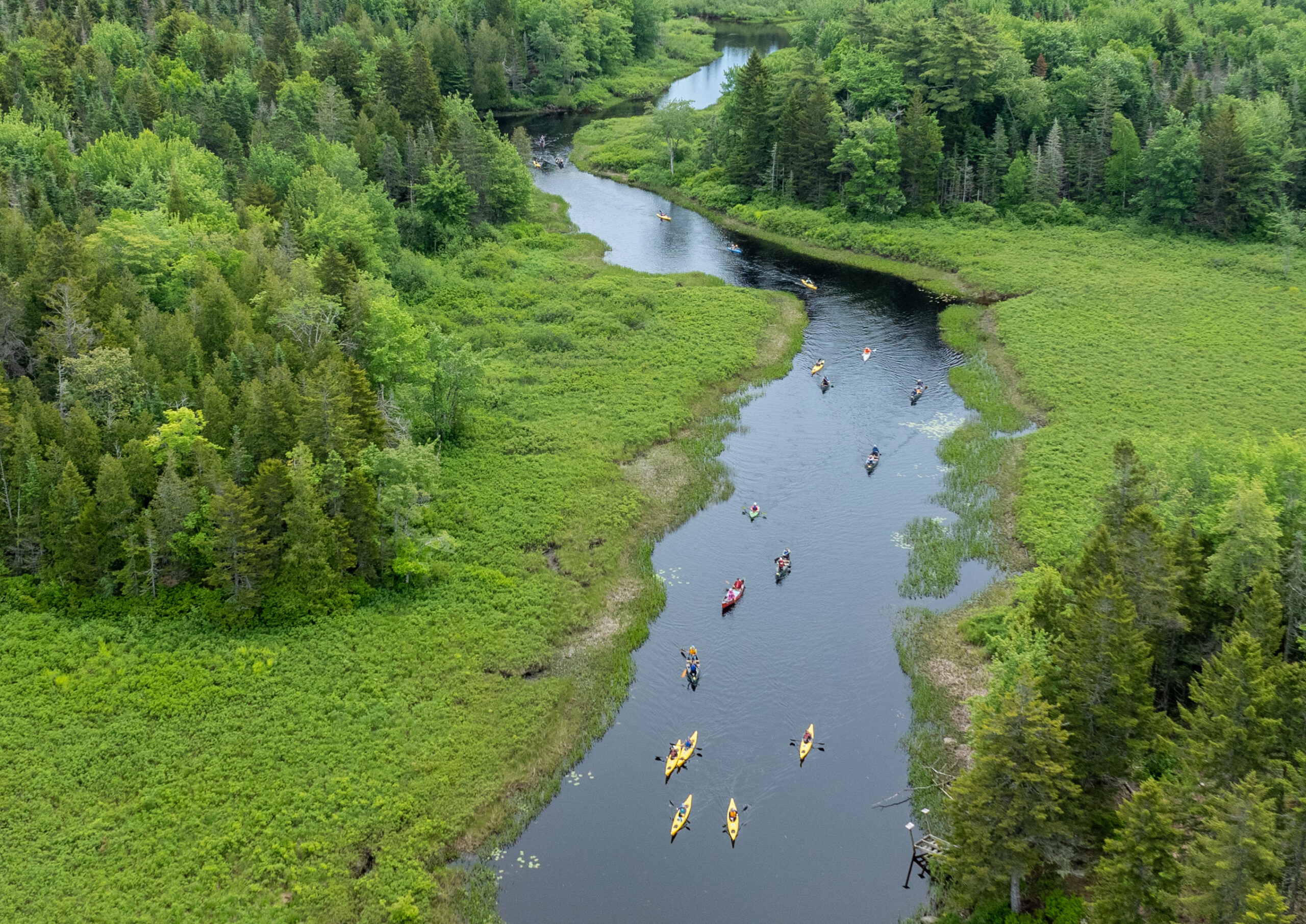
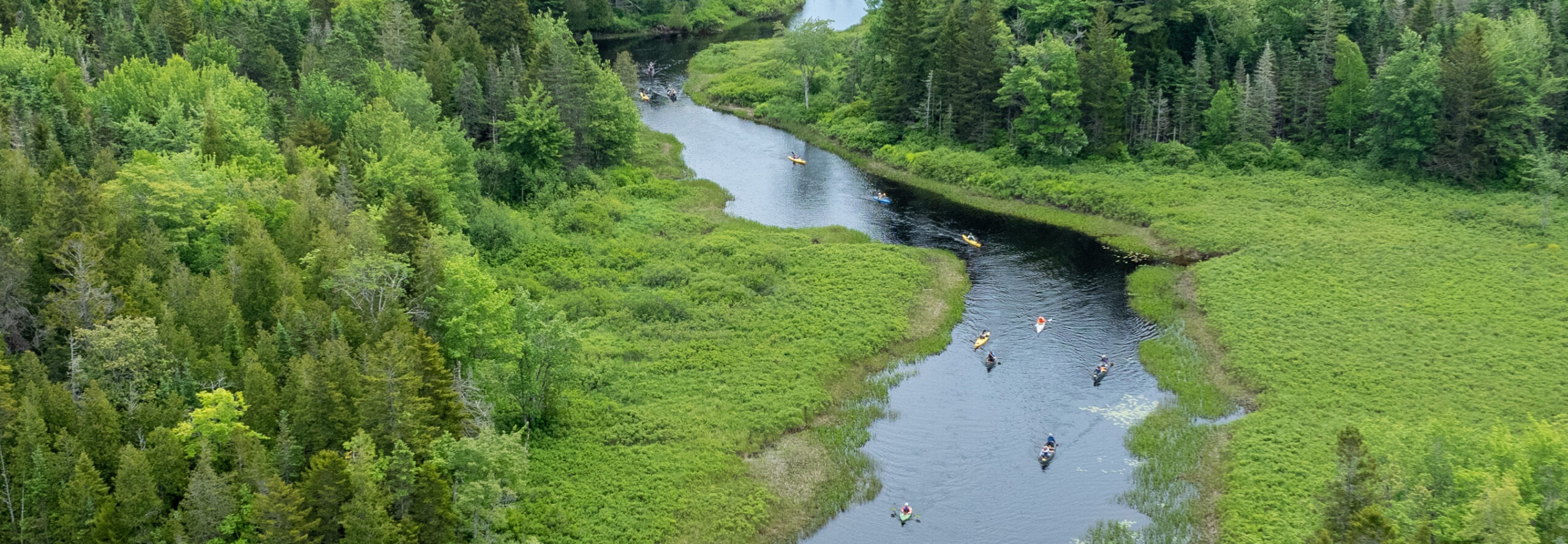
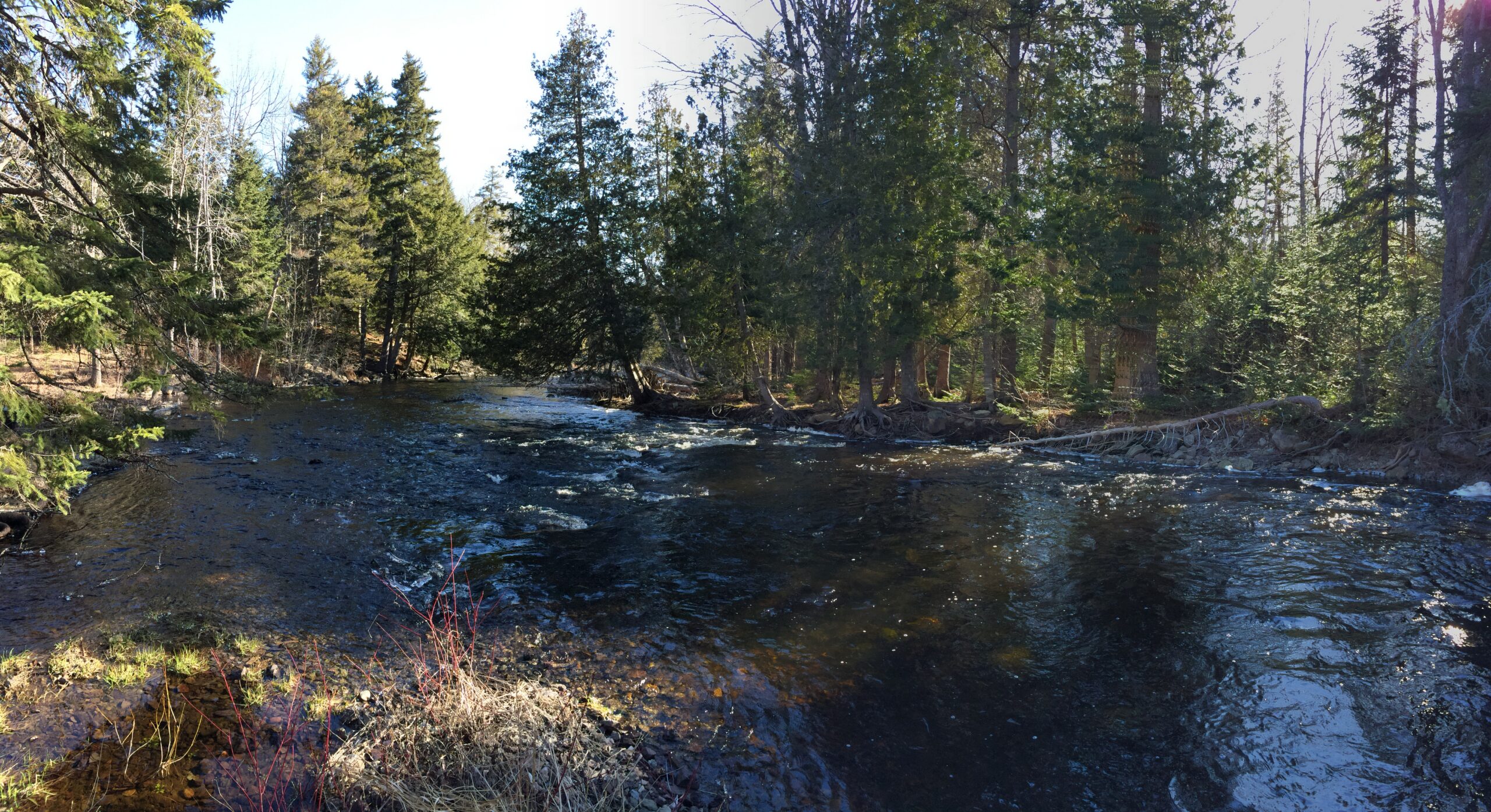
The Orange River flows through a quiet, forested watershed of lakes, ponds, wetlands, and tidal reaches before entering Cobscook Bay — one of the most biologically diverse marine ecosystems on the Atlantic coast. Though smaller than many of Maine’s coastal rivers, the Orange River plays an outsized ecological and cultural role. It is the second-largest freshwater source flowing into Cobscook Bay and part of a traditional Passamaquoddy canoe route connecting Cobscook Bay to Machias Bay, with documented use dating back millennia.
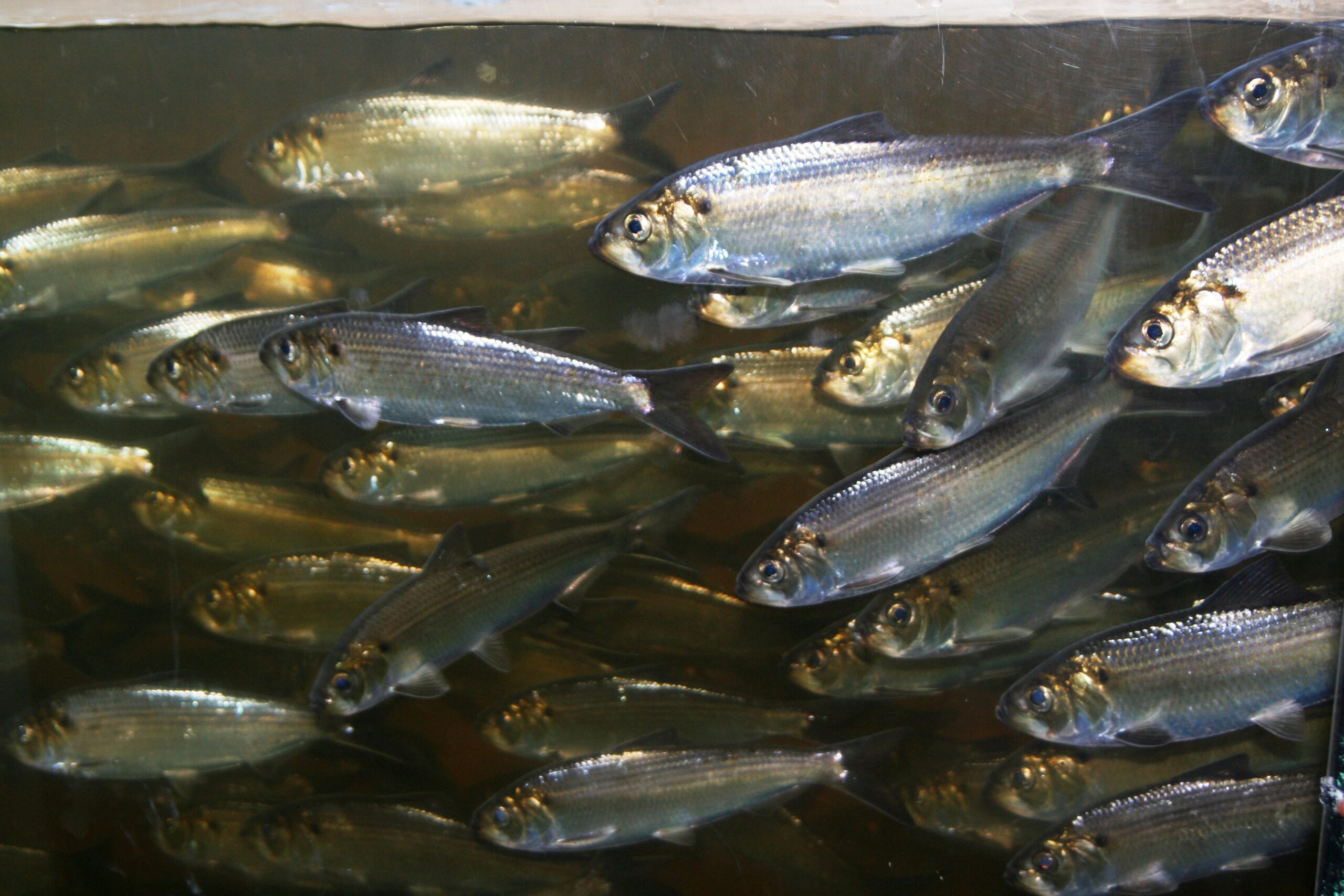
The watershed historically supported a suite of diadromous fish species (species that migrate between saltwater and freshwater environments) essential to coastal food webs, including river herring, shad, American eels, sea-brook trout, and Atlantic salmon. The watershed is designated critical habitat for Atlantic salmon. Extensive wetlands, intact forest areas, and undeveloped lake frontage provide high‑habitat for birds, mammals, and aquatic species, while offering exceptional opportunities for paddling, camping, and quiet recreation.
The Orange River is a priority in Maine Coast Heritage Trust (MCHT’)’s Rivers Initiative, a coast‑wide effort to protect and restore key rivers essential to the long‑term health and resilience of the Gulf of Maine, because it represents both a major restoration opportunity and a chance to protect a landscape that still feels remarkably wild. The watershed’s water quality, strong ecological function, and deep community ties make it a place where conservation and restoration can have immediate, visible impact.
Partners for this initiative include Town of Whiting; Whiting Community School; Downeast Salmon Federation; Sunrise County Economic Council; Downeast Coastal Conservancy; Maine Outdoor School; Maine Inland Fisheries and Wildlife; and Cobscook Shores.
Shaped by History — and Ready for Renewal
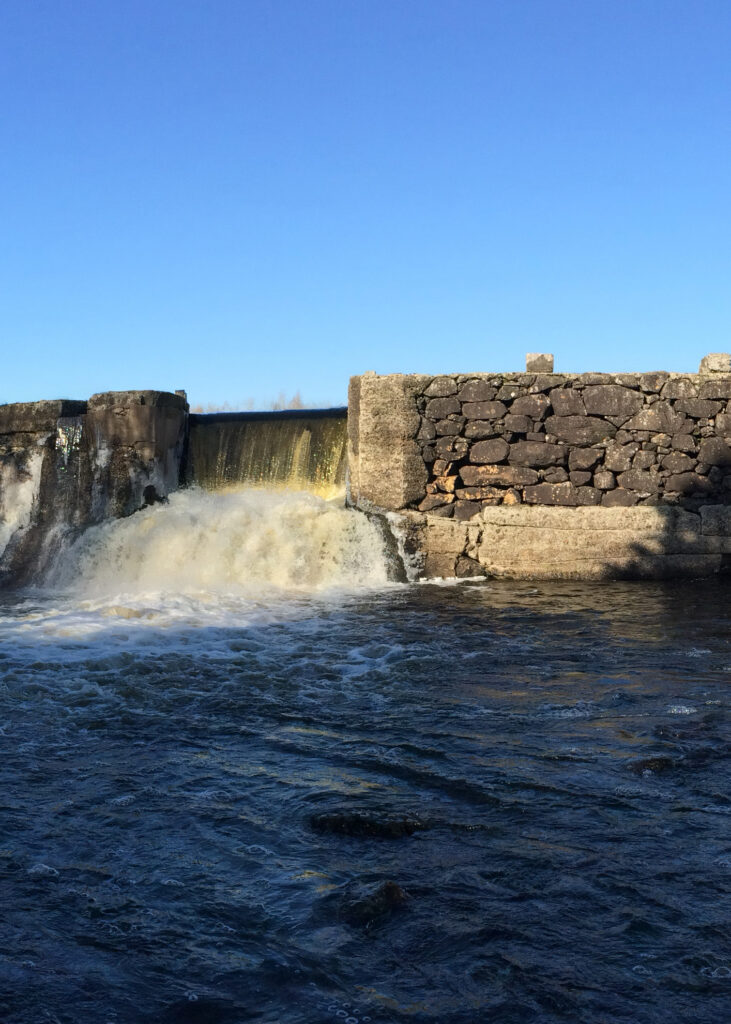
As far back as the 1840s, residents of Whiting and surrounding communities expressed concern about the loss of fish passage following the development of dams along the Orange River. Restoration efforts improved fish runs, but historical structures have gone into disrepair, and there is currently no fish passage on the Orange River.
Today, that is changing. The town of Whiting recently voted to retain its historic dam while approving a modern vertical‑slot fishway — a fish ladder consisting of vertical openings to allow fish to swim upstream through pools without jumping. The fishway is now under construction with support from congressionally directed funding, town funding, and funds from MCHT. Two upstream dams are in active design and fundraising phases. Together, these projects will reopen over 36 miles of habitat for river herring, shad, salmon, and sea‑brook trout.
Conservation Successes and Priority Projects
Restoring Fish Passage
Construction of the Whiting dam fishway is underway in 2026, and additional passage projects will advance upstream. These efforts will restore access to spawning habitat and support the town’s long‑term goal of reviving its alewife harvest.
Protecting Connected Habitat
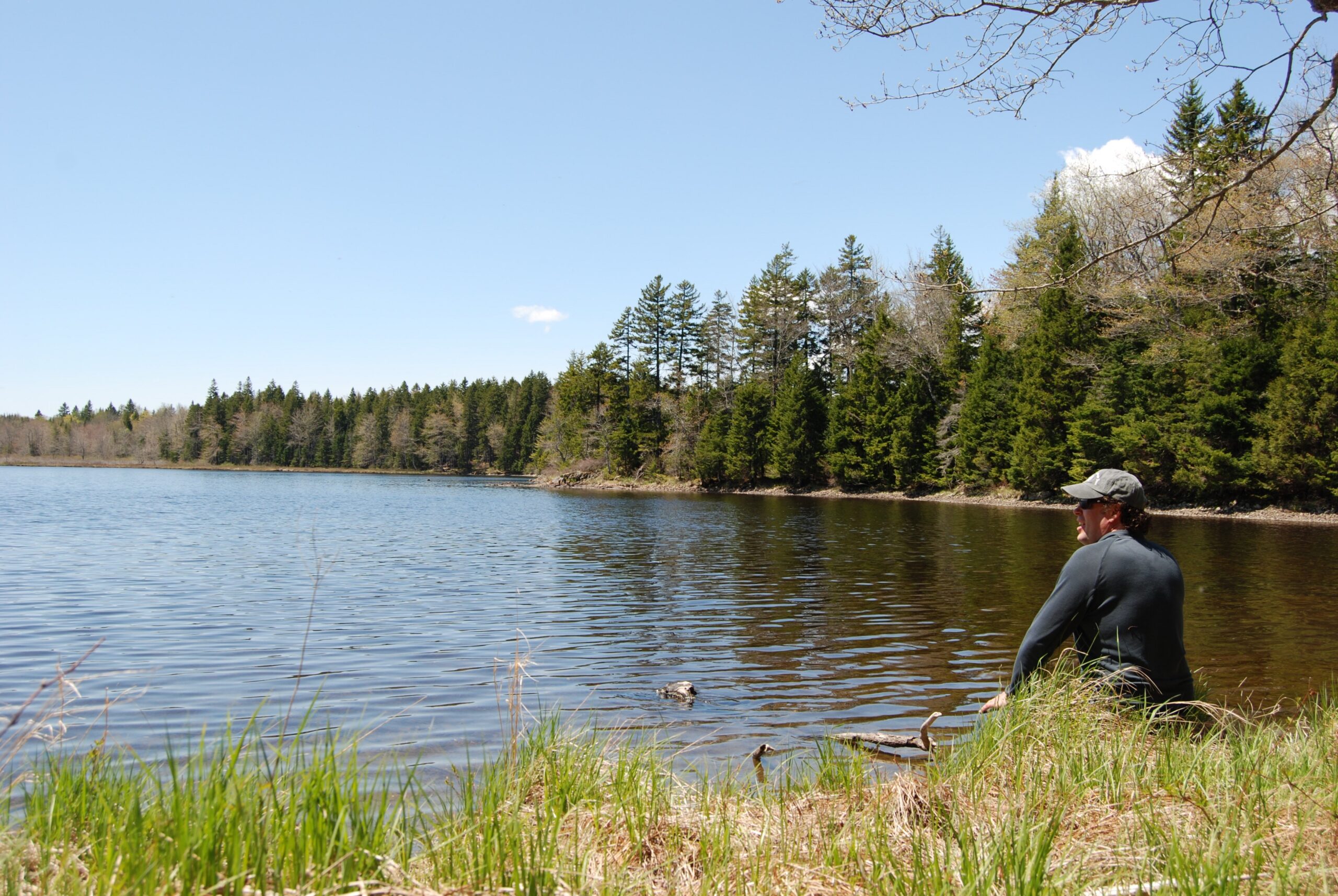
More than 3,000 acres at Rocky Lake Preserve anchor a landscape‑scale corridor that links the Bold Coast to Moosehorn National Wildlife Refuge and the Downeast Lakes region. Campsites, trails, and lake frontage provide public access while maintaining ecological integrity.
Strengthening Community Connections
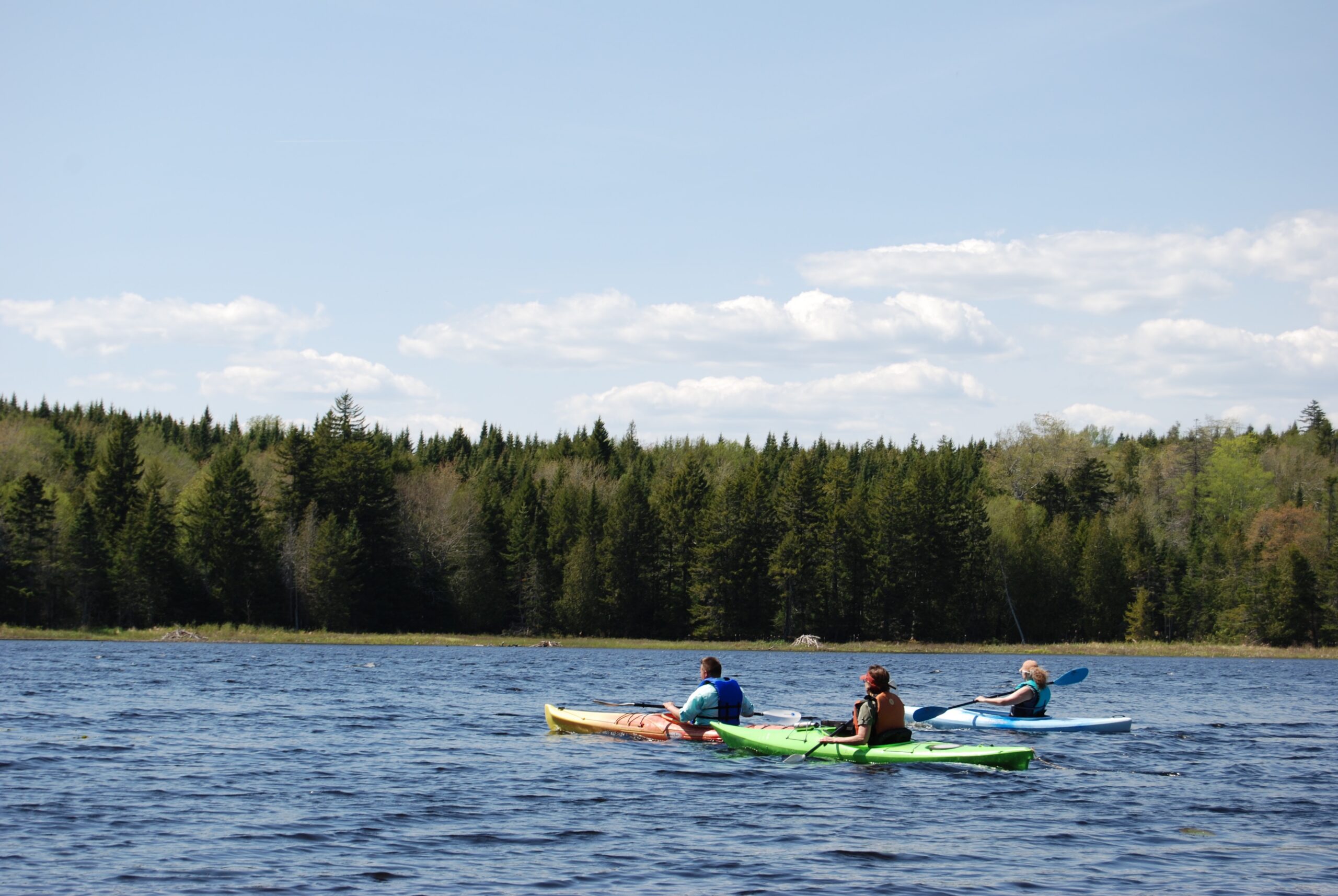
The newly completed Orange River Water Trail now offers improved access points, new signage, and an annual June paddle that draws residents and visitors. The watershed also hosts a summer camp for local children.
By the Numbers
6
towns: Whiting, Cutler, Marion and Edmund Townships
6,153
acres conserved in the watershed
17
miles of protected lake, river, and stream frontage
52,000
contiguous acres of connected, conserved land from the Bold Coast to Moosehorn National Wildlife Refuge
3
fish passage projects underway or in design, opening up 32.6 miles of perennial streams and rivers
Vision for the Future
Success on the Orange River means restored fish runs, protected lake and river frontage, thriving wetlands, and a community deeply connected to its watershed. It means children learn on the river, families paddle the river’s quiet reaches, and towns benefit from renewed ecological and cultural traditions.
For More Information:
Jacob van de Sande
Associate Director of Land Protection
(207) 259-5040
Email Jacob