Bagaduce River
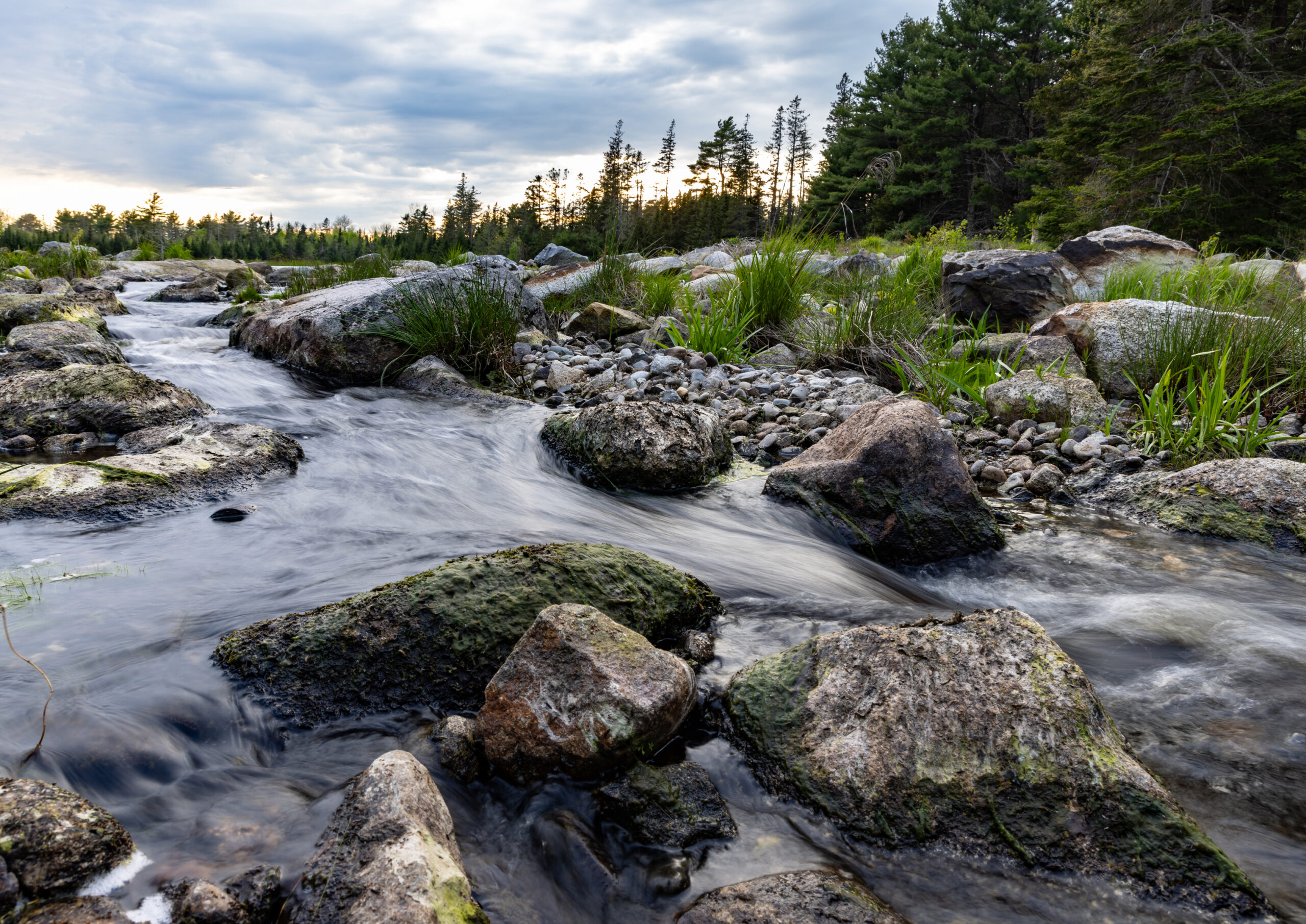
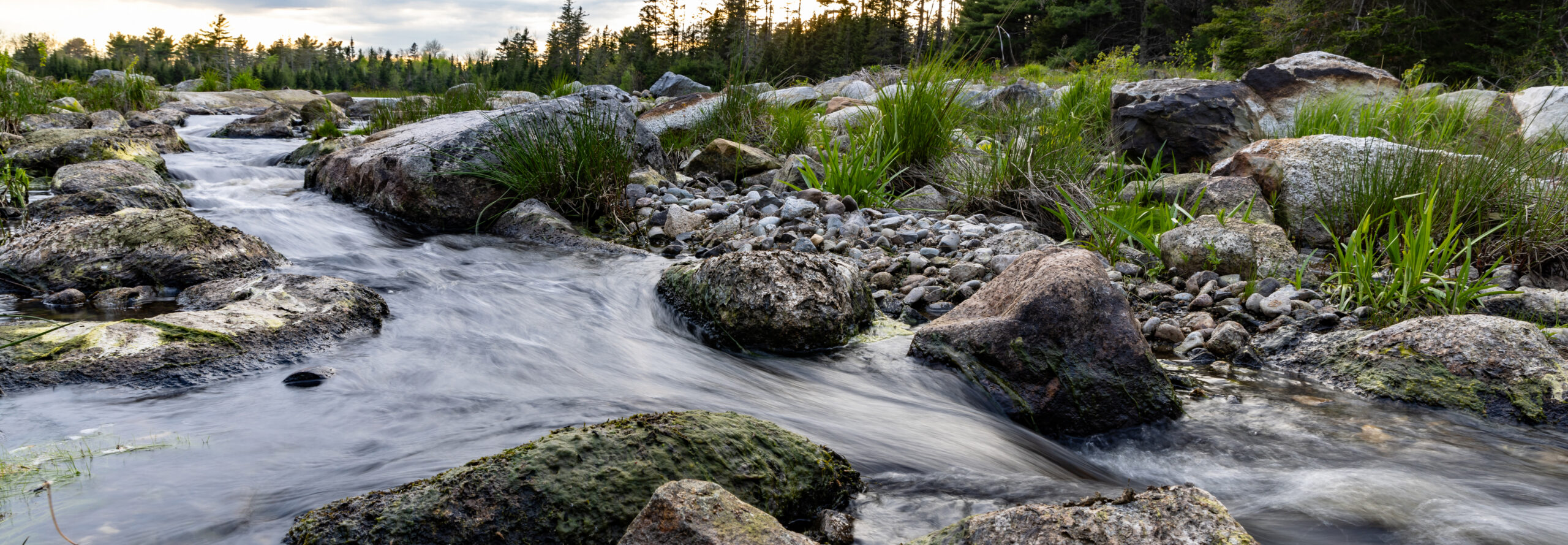
The Bagaduce River, one of Maine’s most productive estuaries, winds through forests, farms, meadows, and historic villages on the Blue Hill Peninsula. The watershed supports exceptional biodiversity, including thriving runs of river herring, rich shellfish beds, eelgrass meadows, and the northernmost-documented horseshoe-crab spawning area. Its mix of freshwater inputs, reversing falls, and protected coves makes the Bagaduce a vital ecological engine for surrounding communities and for the Gulf of Maine.
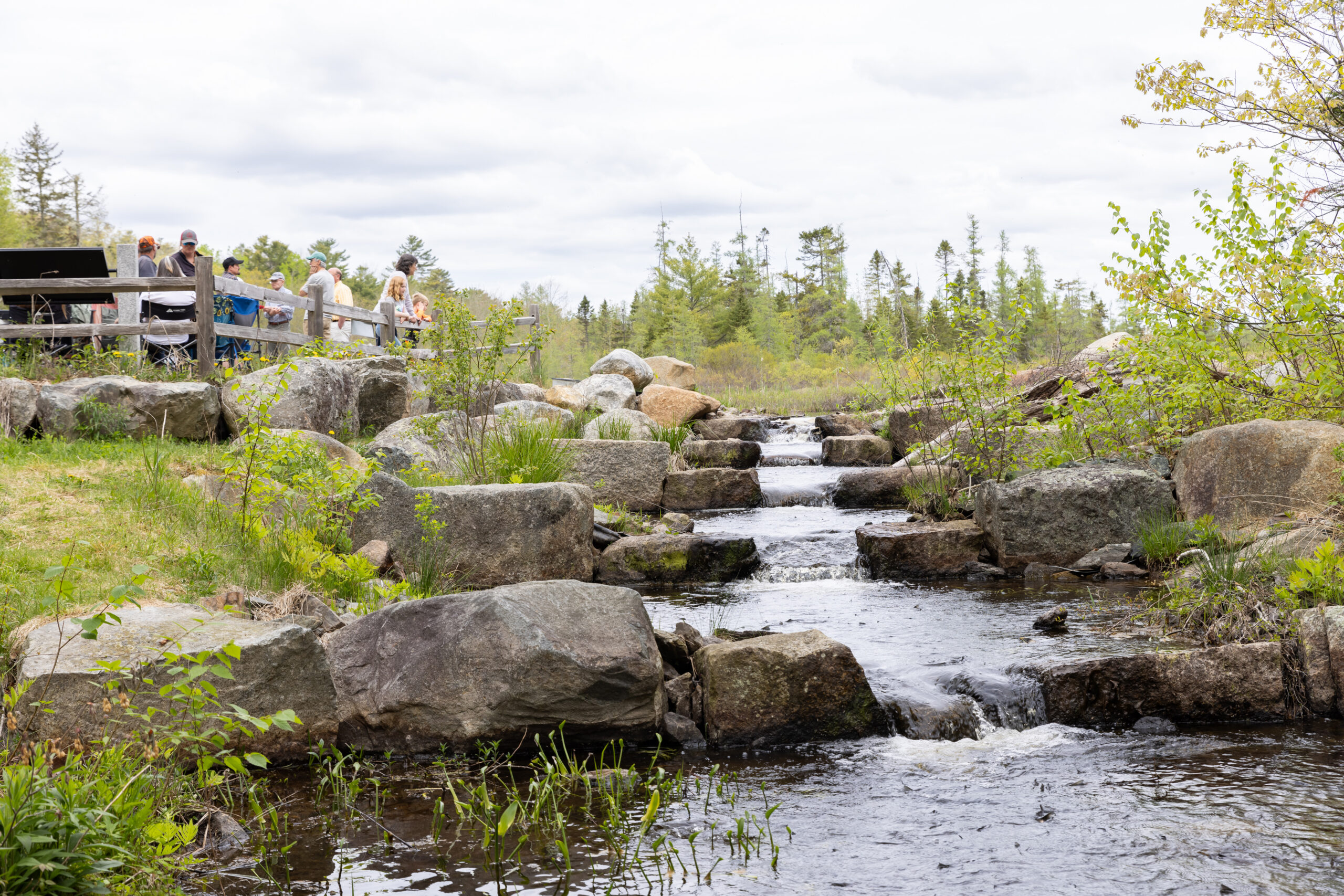
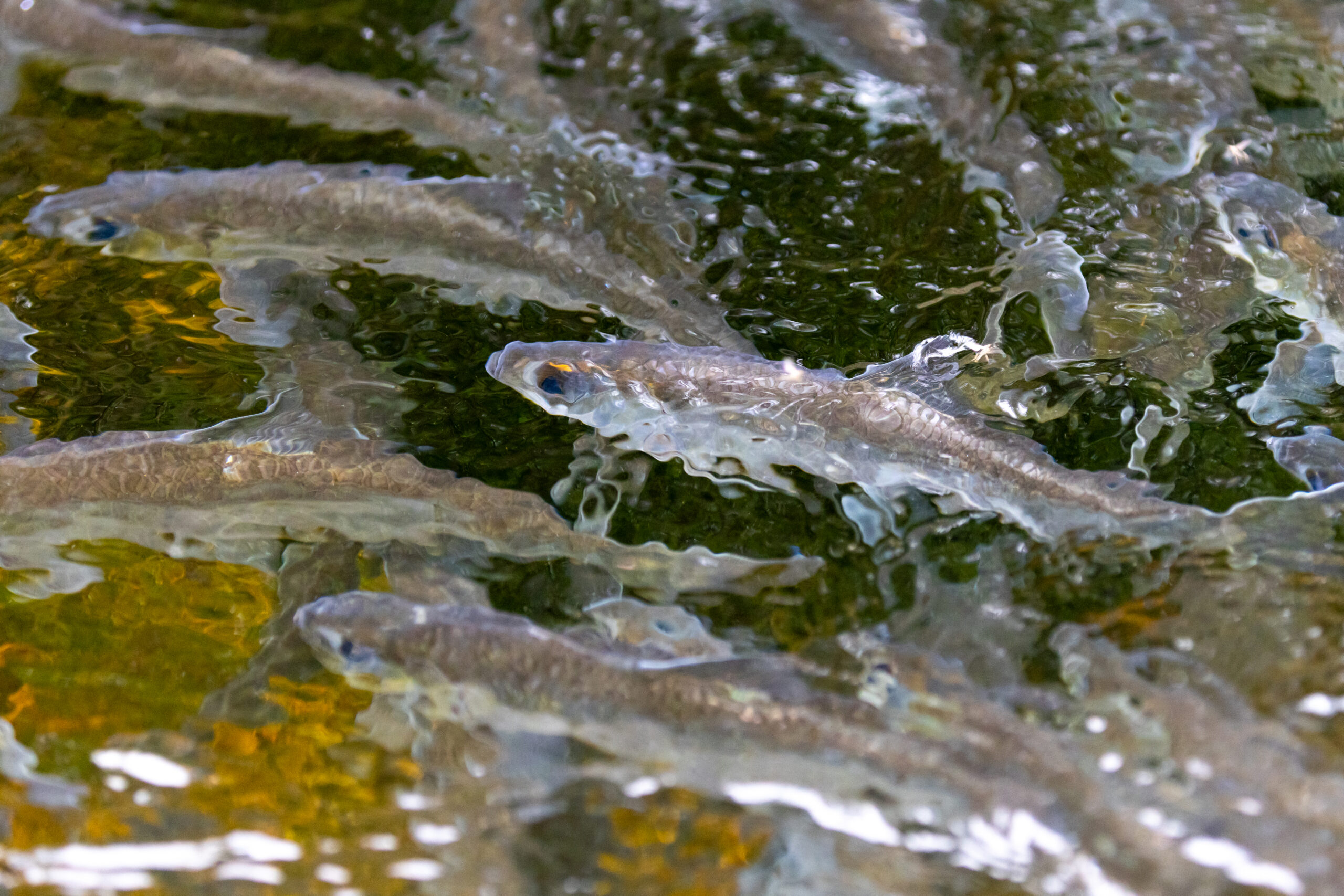
In 2023, the Bagaduce became the first watershed in Maine to be fully restored for fish passage, following the installation of five nature‑like fishways and years of collaborative work among partners. These improvements reopened historic habitat in five alewife ponds — Walker, Wight, Pierce, Frost, and Parker — allowing alewife, blueback herring, and other sea‑run fish to move freely between freshwater and the estuary.
The Bagaduce River is a priority in Maine Coast Heritage Trust (MCHT’)’s Rivers Initiative, a coast‑wide effort to protect and restore key rivers essential to the long‑term health and resilience of the Gulf of Maine. Conservation in the Bagaduce is deeply community‑driven. Development pressure, warming waters, and shifting seasonal flows pose ongoing challenges, but restoration of the river has demonstrated what is possible when local knowledge, science, and partnership come together.
With its partners, MCHT is advancing a vision for a watershed where sea‑run fish move freely, estuarine habitats thrive, and communities remain connected to the river that has shaped their identity for generations. Partners include Blue Hill Heritage Trust; the Towns of Penobscot, Sedgwick, Brooksville, and Castine; Maine Department of Marine Resources; Maine Department of Inland Fisheries and Wildlife; Maine Center for Coastal Fisheries; local volunteers; and elementary and middle schools.
Conservation Successes and Priority Projects
Restoring Fish Passage
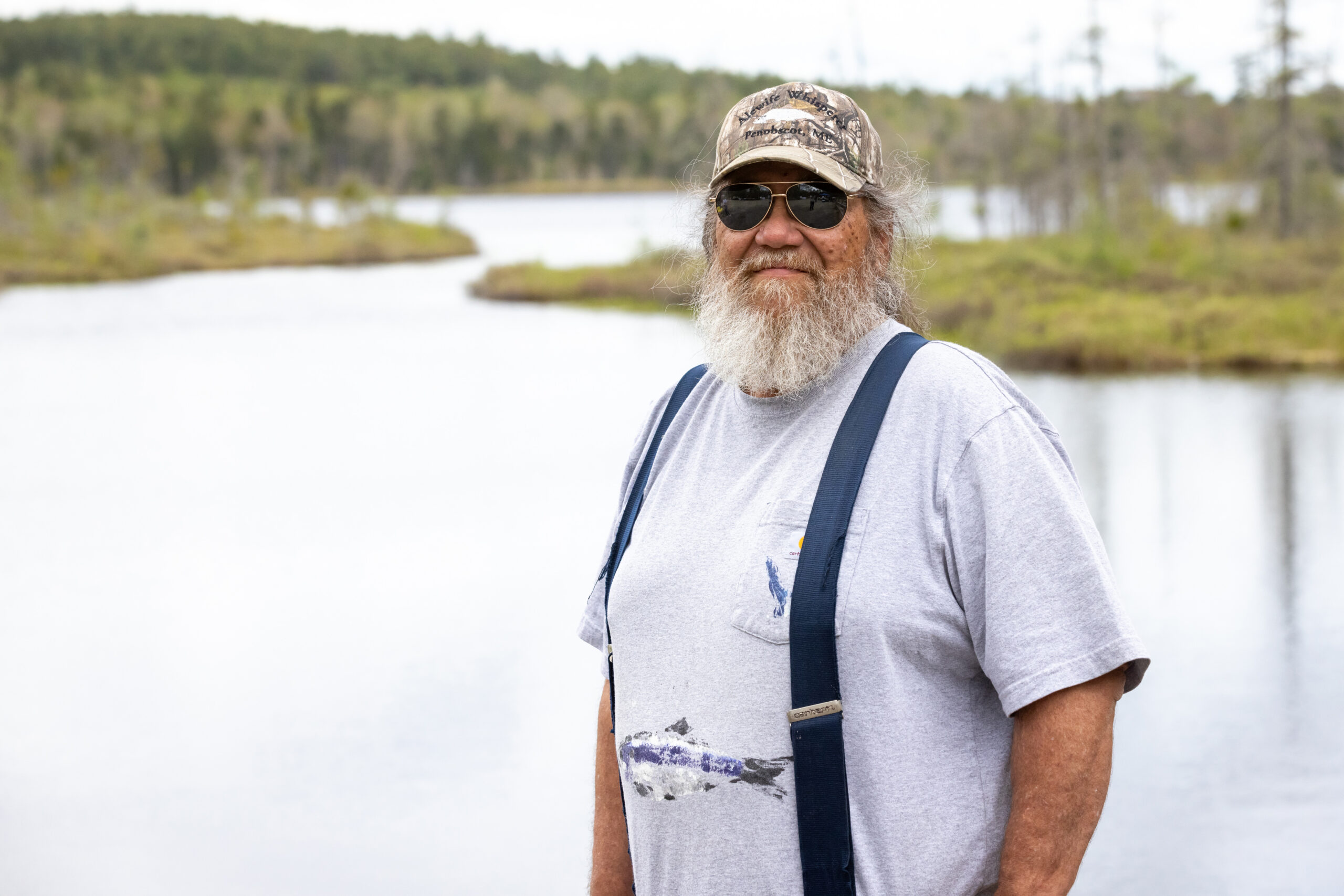
The Bagaduce is Maine’s first fully reconnected watershed for sea‑run fish. Five nature‑like fishways now allow alewife, blueback herring, and other migratory species to access historic spawning habitat — strengthening coastal ecosystems and supporting local fisheries.
Supporting Community-led Stewardship
The Bagaduce River monitoring program empowers community members to collect data, monitor river health, and advocate for ‑term stewardship. This model has become a statewide example of how local expertise and scientific collaboration can drive restoration success.
Protecting Estuarine Habitat and Sensitive Species
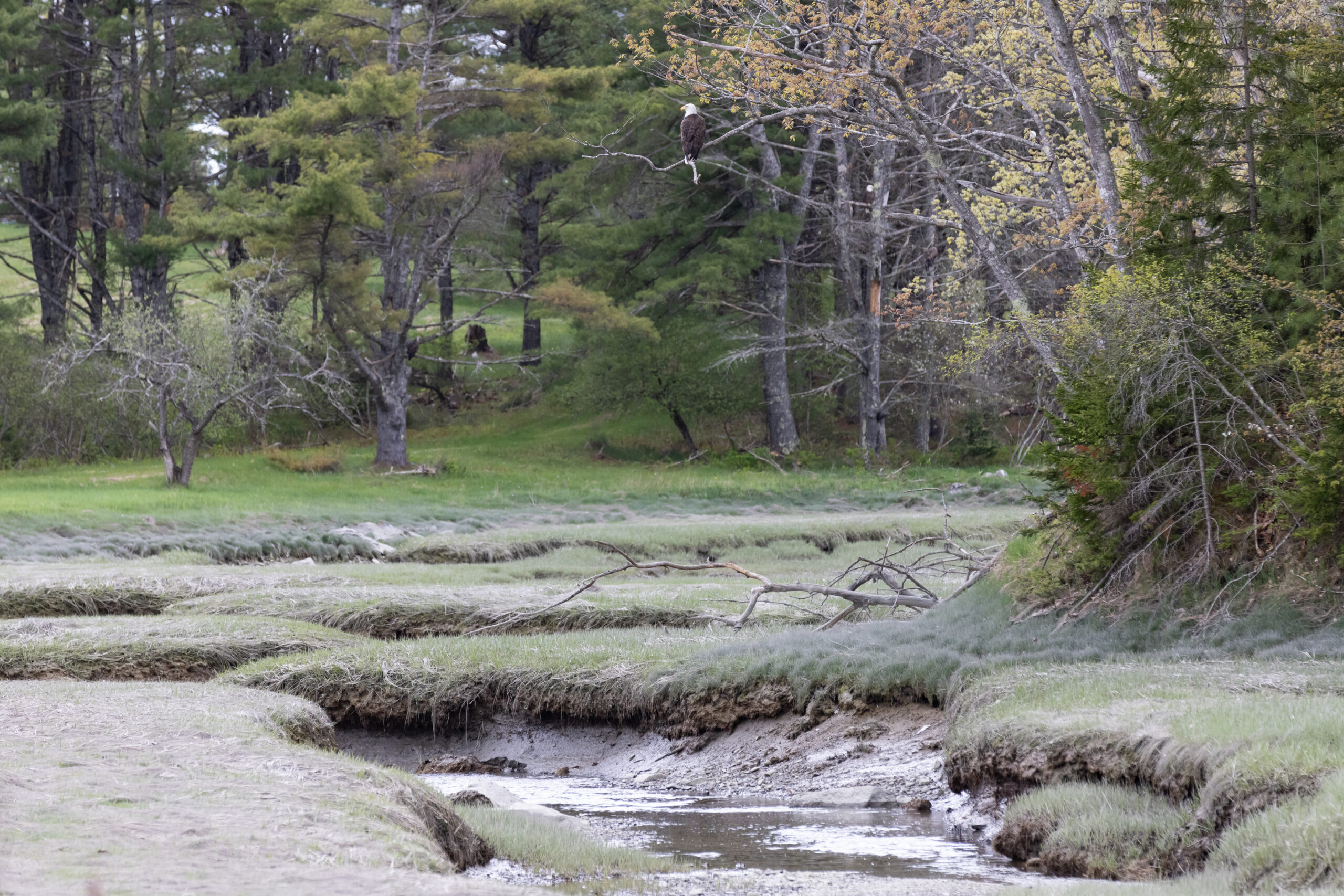
The lower Bagaduce is one of Maine’s most productive estuaries, supporting shellfish beds, eelgrass, migratory birds, and nursery habitat for marine species. Conservation efforts focus on protecting shoreland, improving water quality, and maintaining the ecological integrity of reversing falls, freshwater ponds, and estuarine habitat.
Strengthening Climate Resilience
By restoring natural river function and protecting forests, wetlands, riparian habitat, and tidal marshes, partners are helping the watershed adapt to rising temperatures, stronger storms, and shifting seasonal flows that affect juvenile fish migration.
Building Future Stewards
Schools across the Blue Hill Peninsula are developing a place‑based watershed curriculum, helping young people understand fish migration, watershed ecology, and the importance of caring for local natural resources. Field trips, community science projects, and hands‑on restoration activities regularly connect local students with the river.

By the Numbers
7
towns: Brookville, Penobscot, Sedgwick, Blue Hill, Castine, Orland, and Surry
14
miles of mainstem river
5
headwater ponds
80
miles of river, stream, and pond habitat
1,500
acres conserved
12
native sea-run fish species
One of Maine’s most productive alewive runs
Vision for the Future
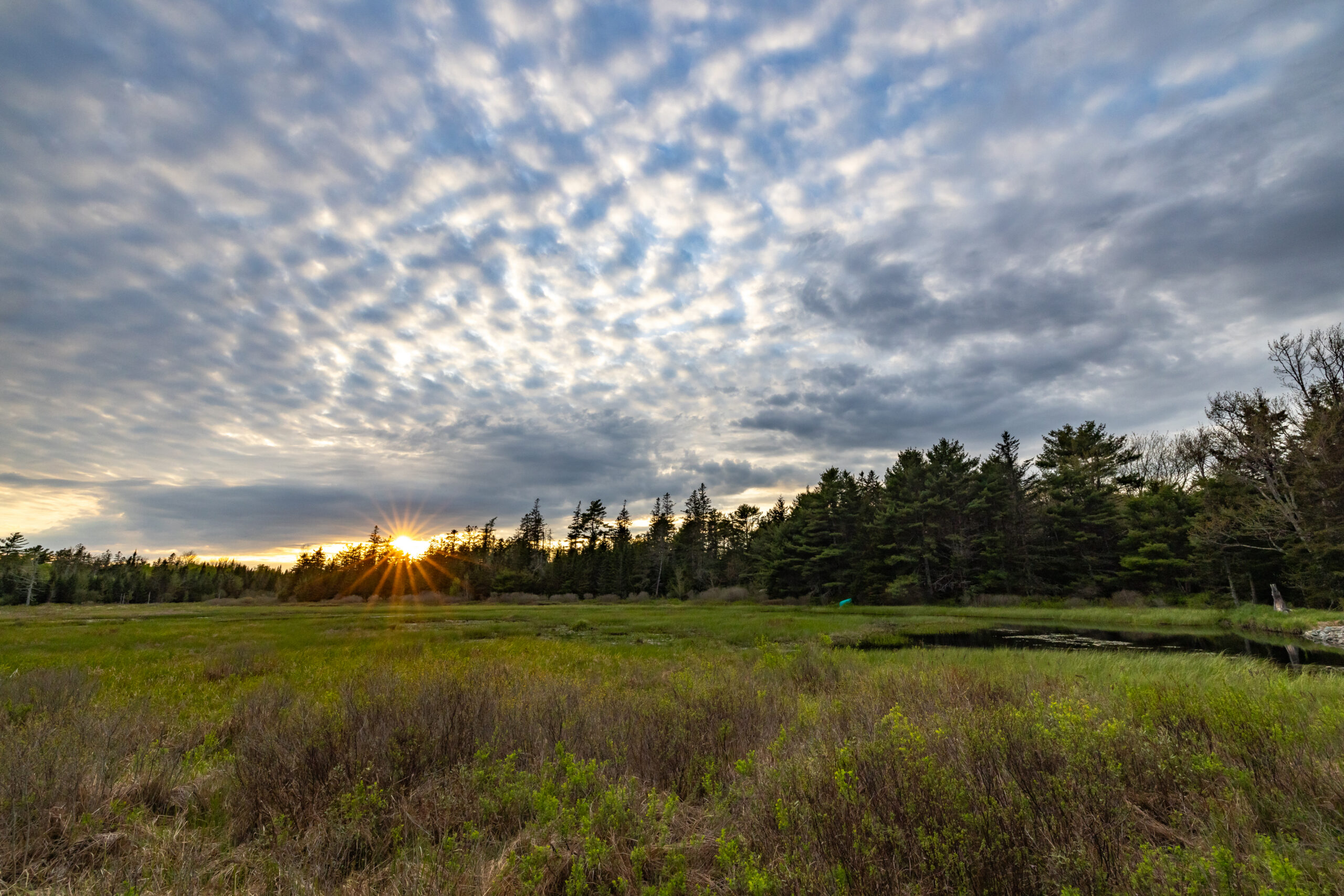
Success on the Bagaduce River means a watershed where sea‑run fish move freely between freshwater and the Gulf of Maine; where estuarine habitats remain productive and resilient; and where communities continue to lead in monitoring, stewardship, and education. It means a river full of life — ecologically vibrant, culturally meaningful, and valued as a shared resource for generations to come
For More Information:
Mike Thalhauser
Land Protection Project Manager
Email Mike