The Rivers Initiative
A Vital Ecosystem
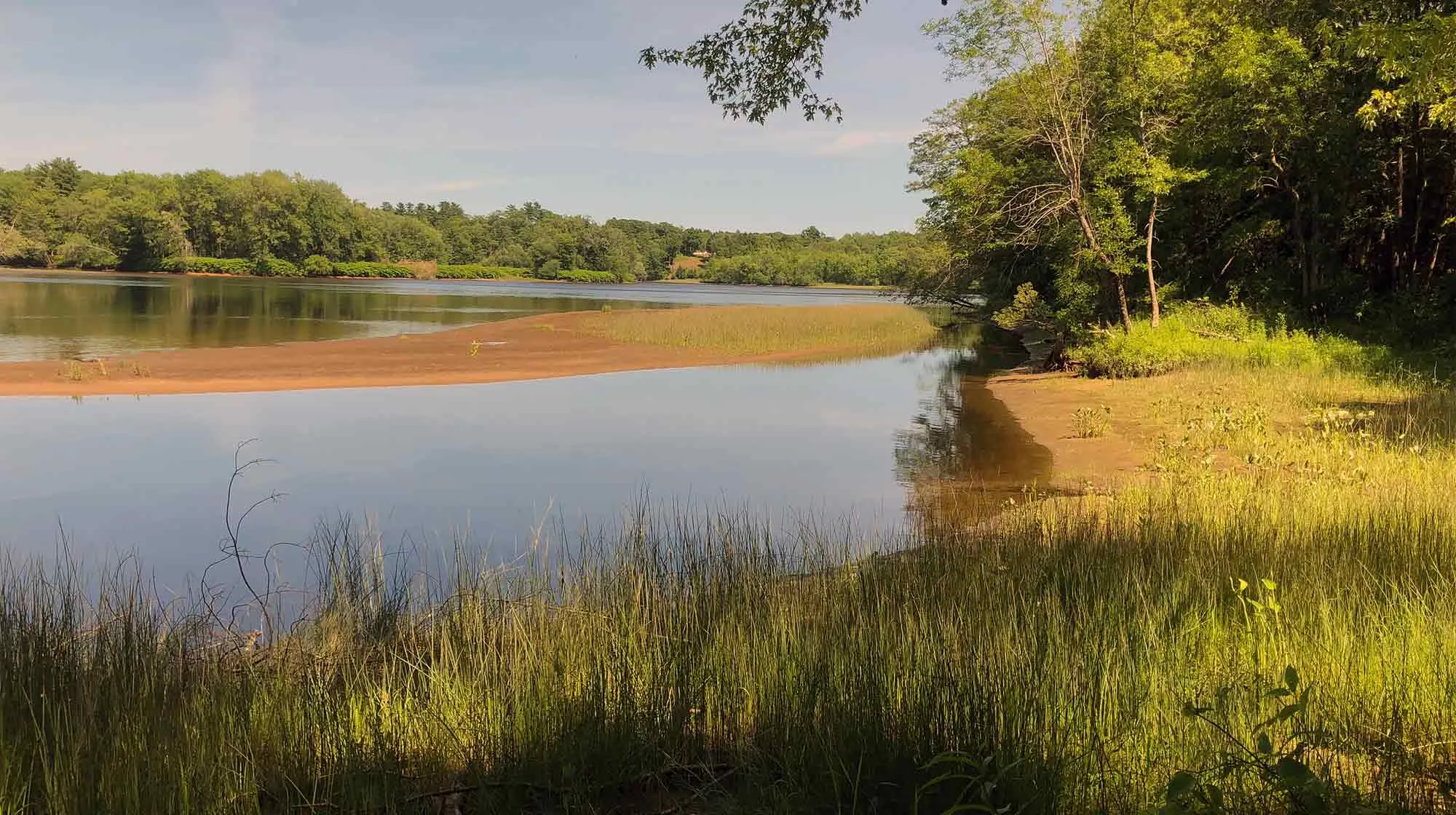
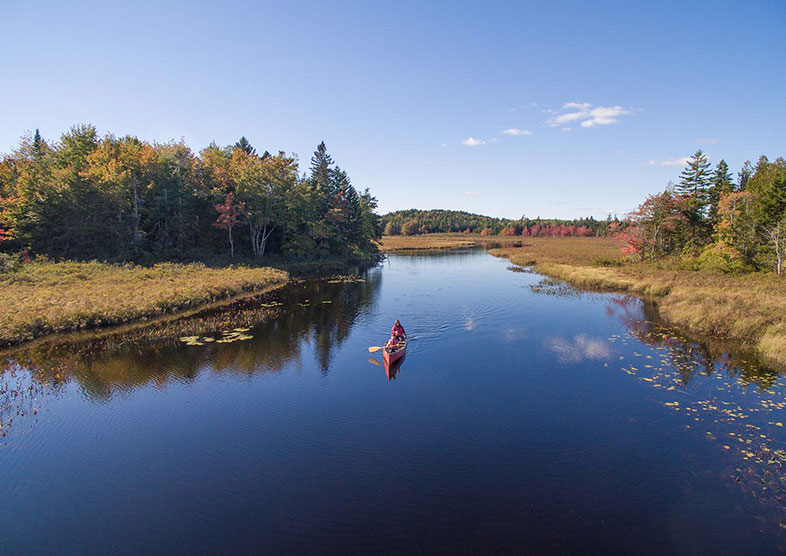
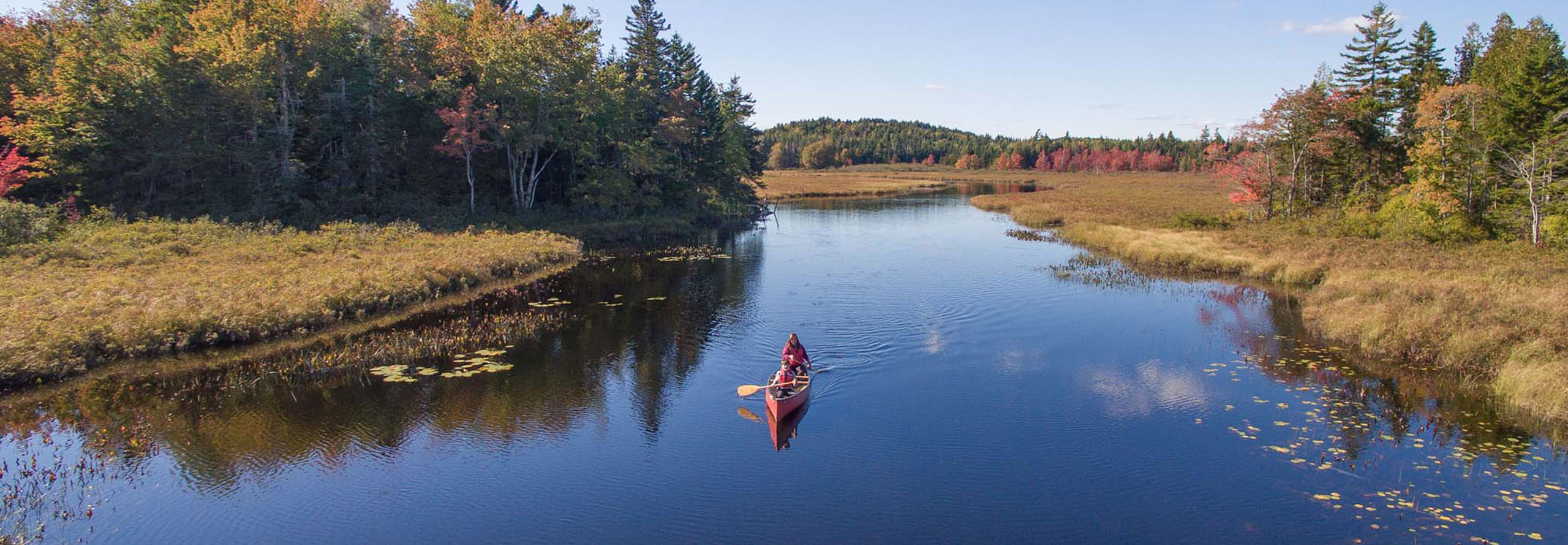
Imagine Maine rivers connected to the sea, filled with fish every spring, and sustaining wildlife and people in numerous ways for decades to come.
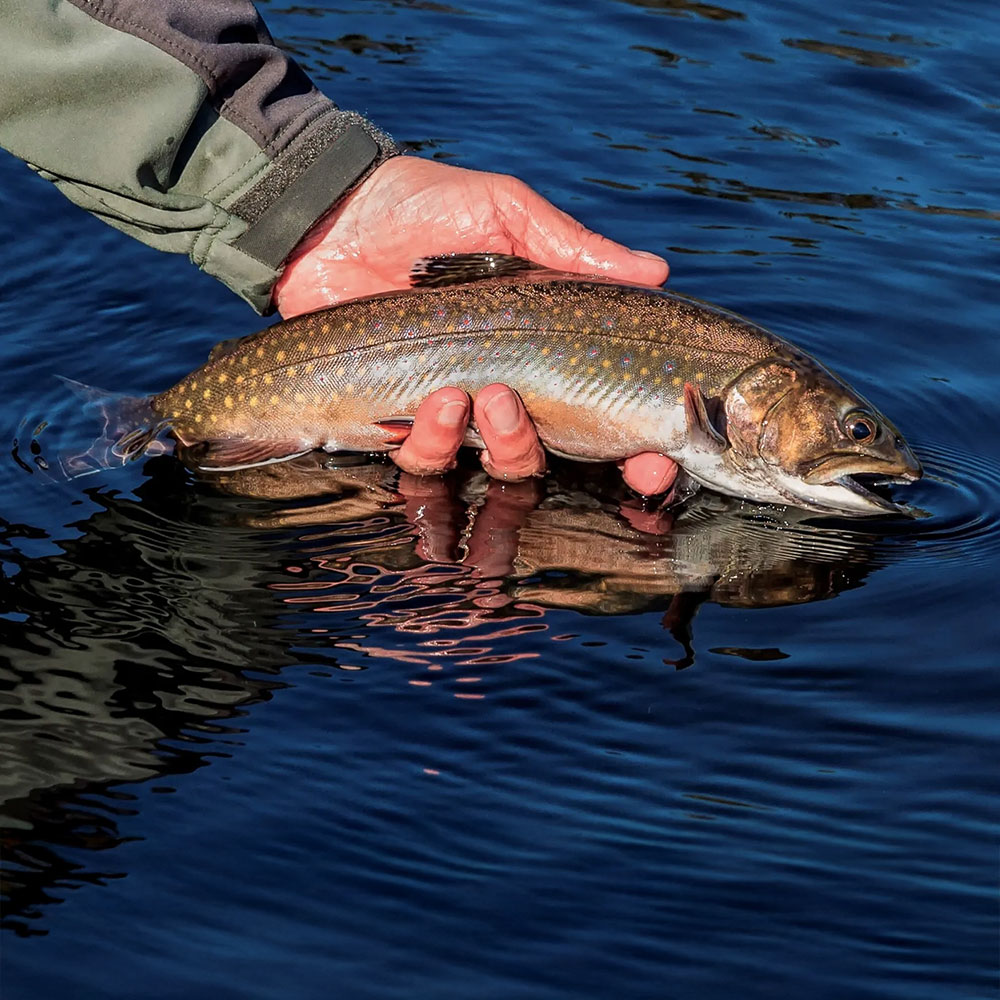
When free-flowing and connected to the sea, rivers transport fresh water, nutrients, and billions of native sea-run fish like salmon, shad, brook trout, and river herring (alewife and blueback herring) that are an essential link in the food chain.
Restoring Balance, Building Resilience
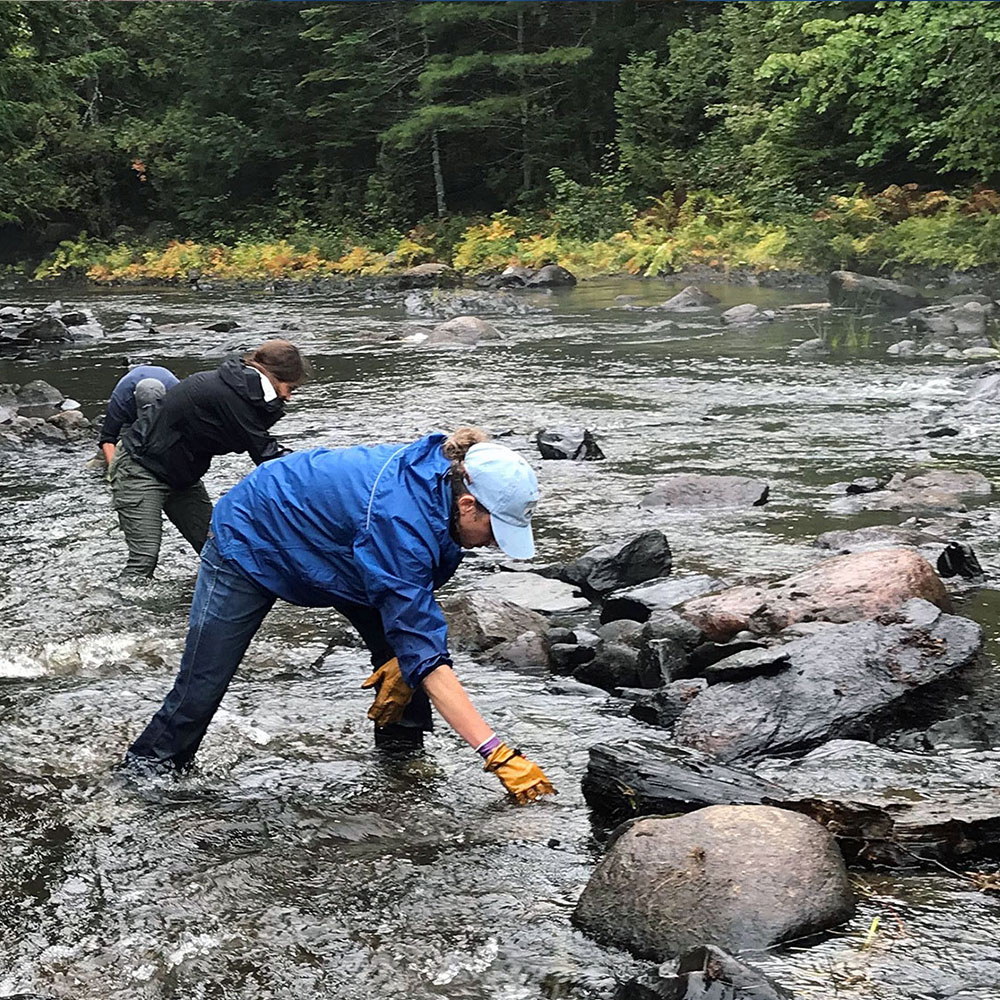
In recent centuries, roads and dams have blocked passage and overfishing and pollution have degraded rivers. The result? Declines in populations of sea-run fish and the fish and wildlife that feed on them, which impacts lives and livelihoods, sustenance, and traditions.
Today, when 75% of Maine’s plants and animals are vulnerable to climate change, improving the health and connectivity of Maine’s rivers is essential. More fish means more life and, thanks to the coordinated efforts of many, they’re coming back.
Good Things Are Happening on the Coast
While MCHT’s Rivers Initiative began in Downeast Maine—restoring rivers, revitalizing wildlife, and strengthening communities—the ongoing impact of this work is being felt up and down the coast.
10
sites with fish passage created
12
conservation projects completed
27k
acres of land protected
50
miles of water frontage protected
PARTNERS IN PRESERVATION
Coming Together for Maine’s Coast
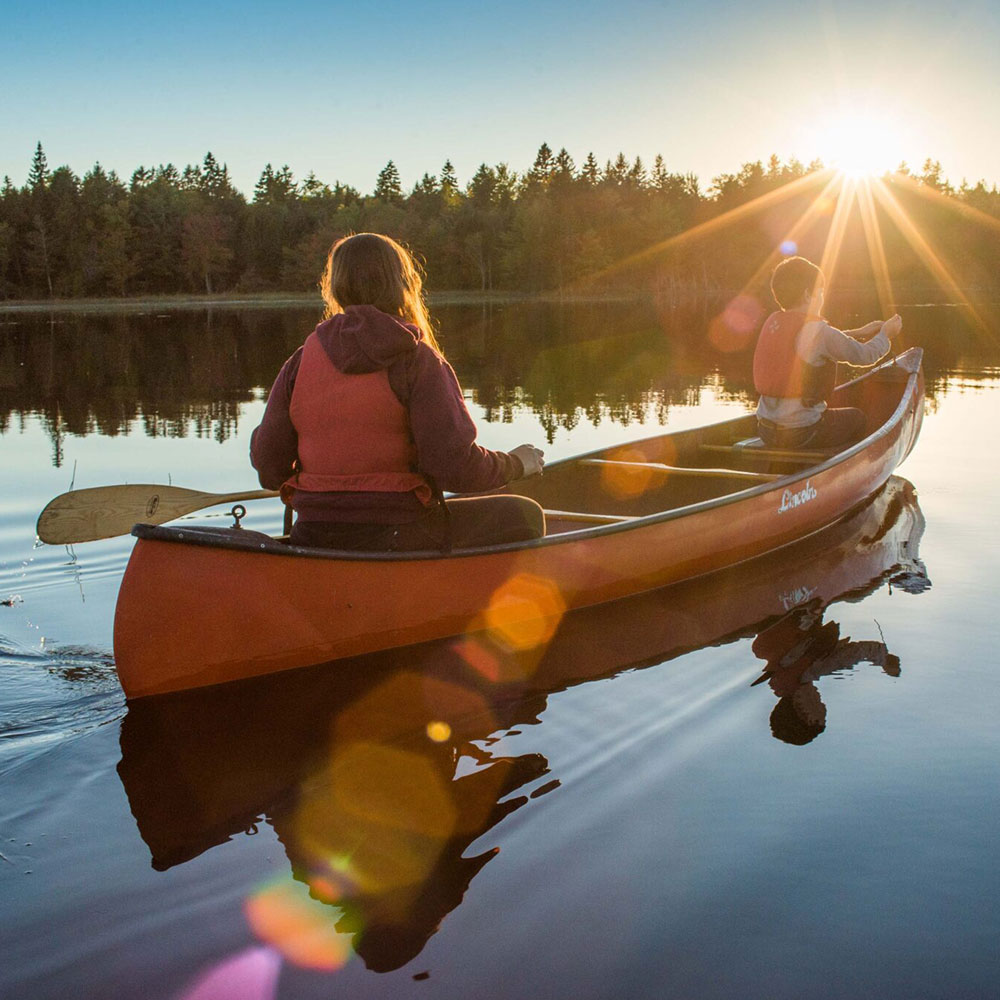
While climate change can feel divisive and overwhelming, our collective passion for rivers, fish, and other wildlife has the power to bring Mainers together.
Our commitment to use every tool at our disposal and utilize the latest techniques to accelerate our collective success has already resulted in big wins for the coast. The full restoration of fish passage in the Bagaduce River, which revitalized the watershed and improved the health of the Gulf of Maine at large, is just one example of the impact we’re already making together.
FULL OF POSSIBILITY
One River at a Time
MCHT has identified rivers with the best potential for protection and restoration, where we see opportunities to make a significant impact on the local and regional ecological health.
Mousam River
Provides drinking water, native brook trout habitat, and habitat for salt marsh sparrow and other species in the lower watershed.
Sheepscot River
Provides habitat for Atlantic salmon, brook trout, and other species.
Bagaduce River
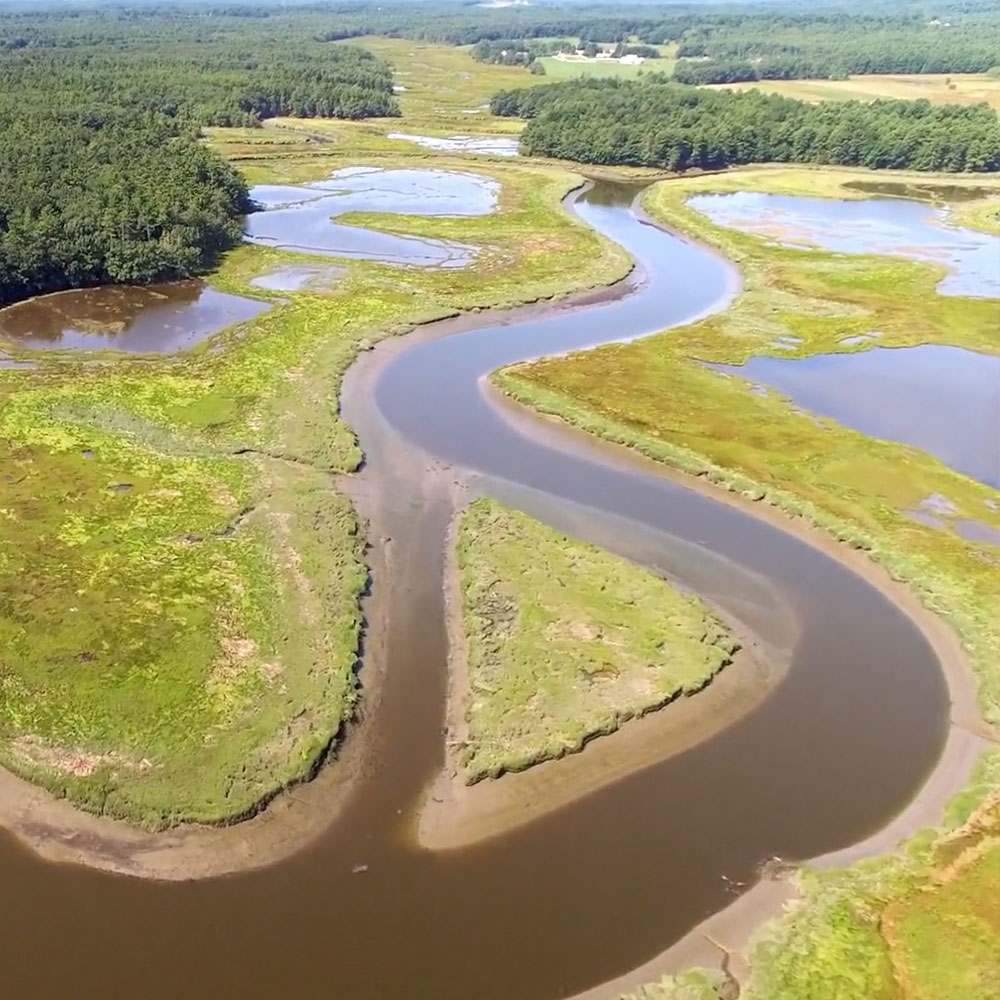
One of Maine’s most productive estuaries and now the first watershed fully restored for fish passage.
Narraguagus River
Provides a cooler, moister environment for wildlife due to limited development, and habitat for salmon and shad. Connected to the North Woods. Watch this animated video to learn more about a new river restoration technique used to foster healthier habitats.
Orange River
One of the largest sources of freshwater flowing into Cobscook Bay. The watershed contains one of the largest, unfragmented blocks of forest habitat in coastal Maine.

Watch “A Watershed Moment”
This is a big deal! The first-ever river fully restored for fish passage in Maine.
The short film “A Watershed Moment” follows the multi-year, multi-group effort to restore fish passage in the Bagaduce River Watershed—a story to inspire hope in nature’s resilience and the power of partnership.
It’s all connected—the land, the rivers, the sea. To make the Maine coast as resilient as possible in the coming decades, we have to think holistically.”
—Betsy Ham, longtime Director of Land Protection
Be Part of the Movement
Let’s make a difference for Maine’s coast in a rapidly changing climate. Donating today will help us reach our goal to help bring these rivers back to life and increase the resilience of nearby coastal communities.
Where We’re Focused
These key components of the Rivers Initiative ensure our ability to restore Maine’s rivers and curb the impacts of climate change, overfishing, and pollution.
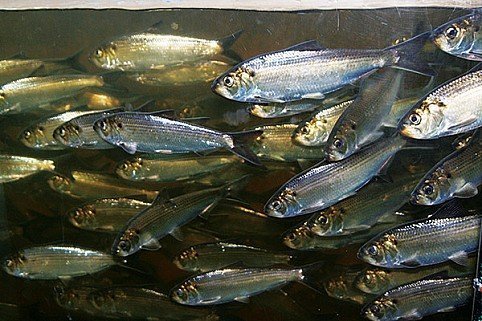
Fish Passage
Restoring crucial fish species like river herring to the food chain helps reestablish the ecological balance of Maine rivers and has a far-reaching impact. When sea-run fish are numerous, animals have a better shot at surviving and adapting in a changing climate.

Wildlife Habitat
Healthy, free-flowing rivers provide a ribbon of connected habitat, not only for fish, but for all wildlife species, which benefit from the cooler, moister habitat and depend on the water and food these rivers provide.
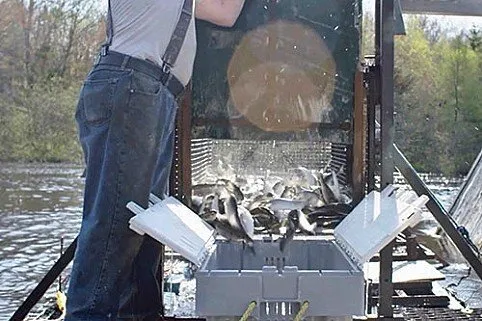
Local Benefits
Restoring fish passage supports jobs and bait for the lobster industry, facilitates the restoration of groundfish populations, protects drinking water resources, and creates more access to land and water for recreation and eco-related tourism.
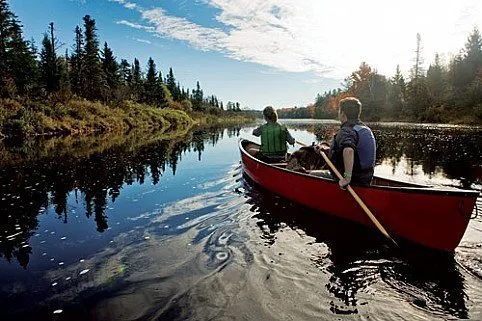
Cultural Ties
People have been living in close relationship to rivers for thousands of years, and this interplay has shaped traditions, economies, activities, and even today’s downtowns. We’re hosting events, field trips, and sharing stories and information to raise awareness and foster connection.
For More Information:
Nicky Blanchard
Senior Director of Communications & Philanthropy
(207) 729-7366
Email Nicky
Jacob van de Sande
Associate Director of Land Protection
(207) 259-5040
Email Jacob
Fundraising Goal: $2 million to help bring these rivers back to life and increase the resilience of nearby coastal communities
Fundraising Deadline: December 31, 2026
*MCHT reserves the right to allocate additional funds raised toward this project where most needed in accordance with our mission