Mousam River
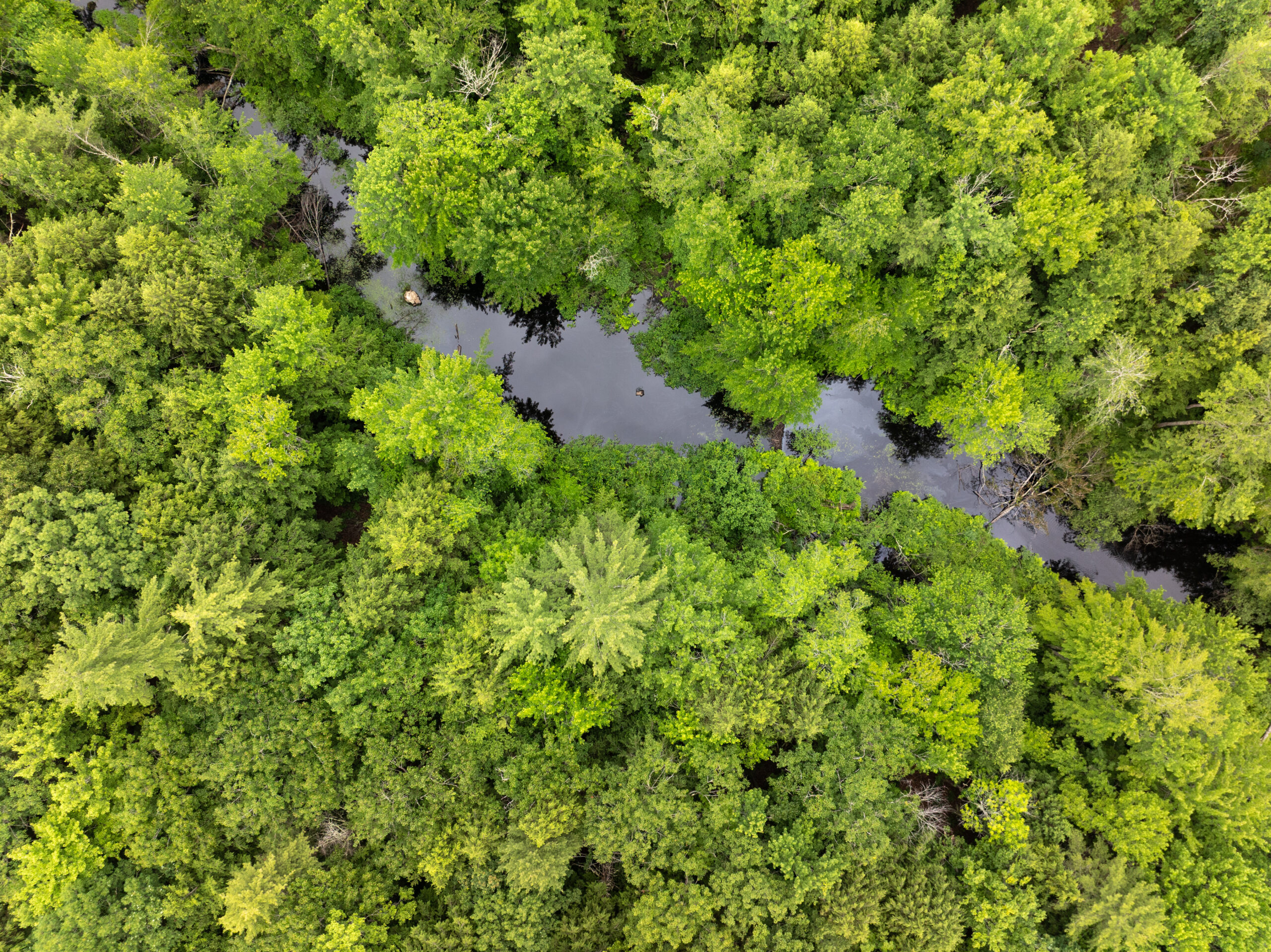

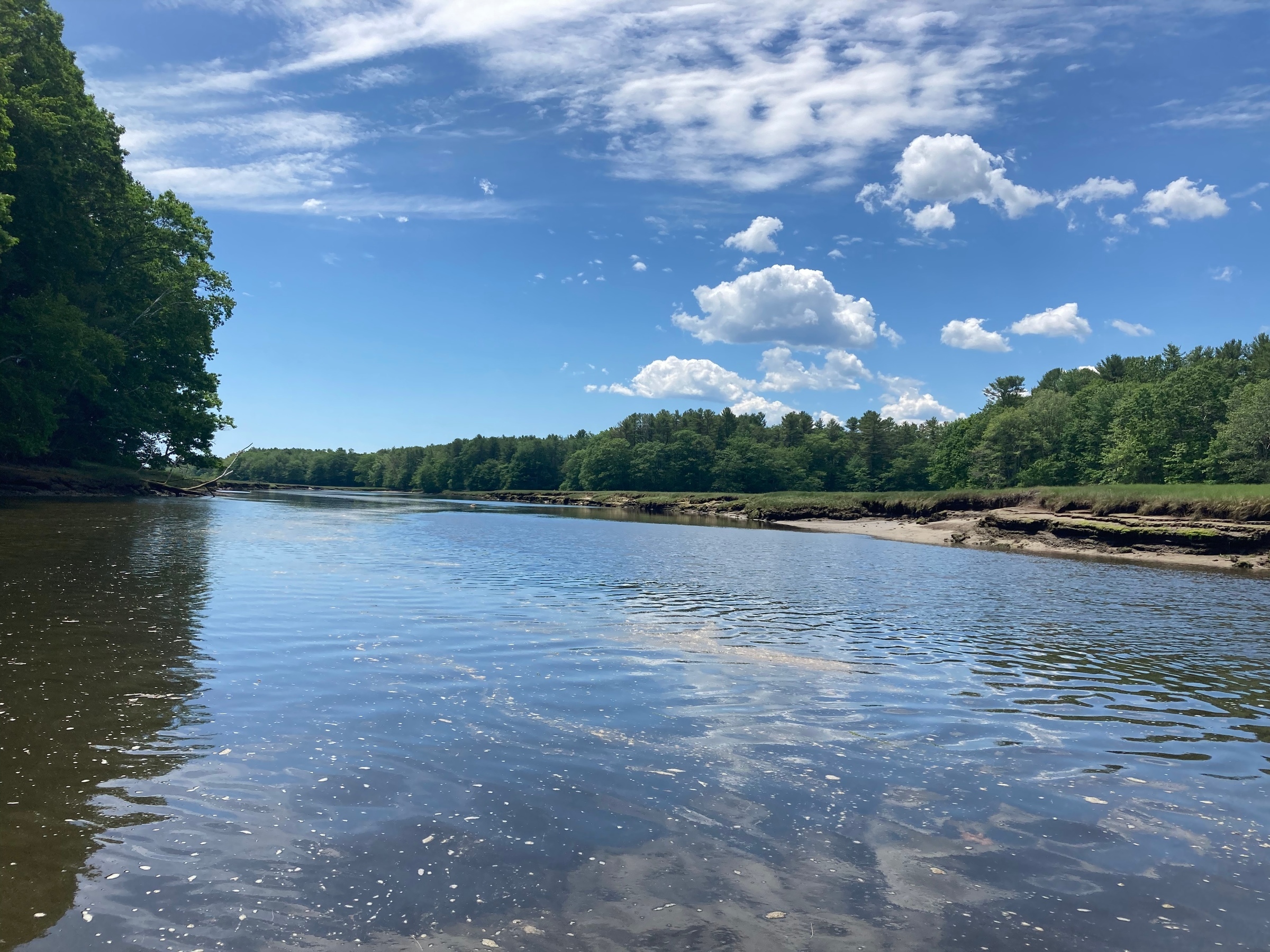
The Mousam River flows 27 miles through the forests, grasslands, marshes, rural valleys, historic villages, and bustling downtowns of York County. Despite being one of the most heavily dammed rivers in Maine, the watershed remains a refuge for natural communities and an unusual diversity of rare, threatened, and endangered plants and animals.
The river provides critical habitat for saltmarsh sparrow and other species in the lower intertidal watershed; supports high‑quality native brook trout habitat; and provides drinking water for nearby communities. Its cold, steady flow from large sandplain aquifers makes it more resistant to warming than most coastal rivers.
The Mousam is a priority in Maine Coast Heritage Trust (MCHT)’s Rivers Initiative, a coast‑wide effort to protect and restore key rivers essential to the long‑term health and resilience of the Gulf of Maine. Conservation in the Mousam is especially urgent: Development pressure is high, natural areas are fragmented, and barriers, particularly hydroelectric dams, block the movement of sea‑run fish like river herring, shad, and lamprey — species foundational to Maine’s coastal food webs and local economies.
Together with local partners, MCHT is advancing a vision for a watershed where woods and waters are full of life, connected to the sea, and accessible to the communities that depend on them.
Partners for this initiative include Local land trusts and municipalities; the Maine Department of Inland Fisheries and Wildlife; Maine Rivers; Sierra Club; and other community groups and organizations.
Conservation Successes and Priority Projects
Protecting Cold-water Habitat
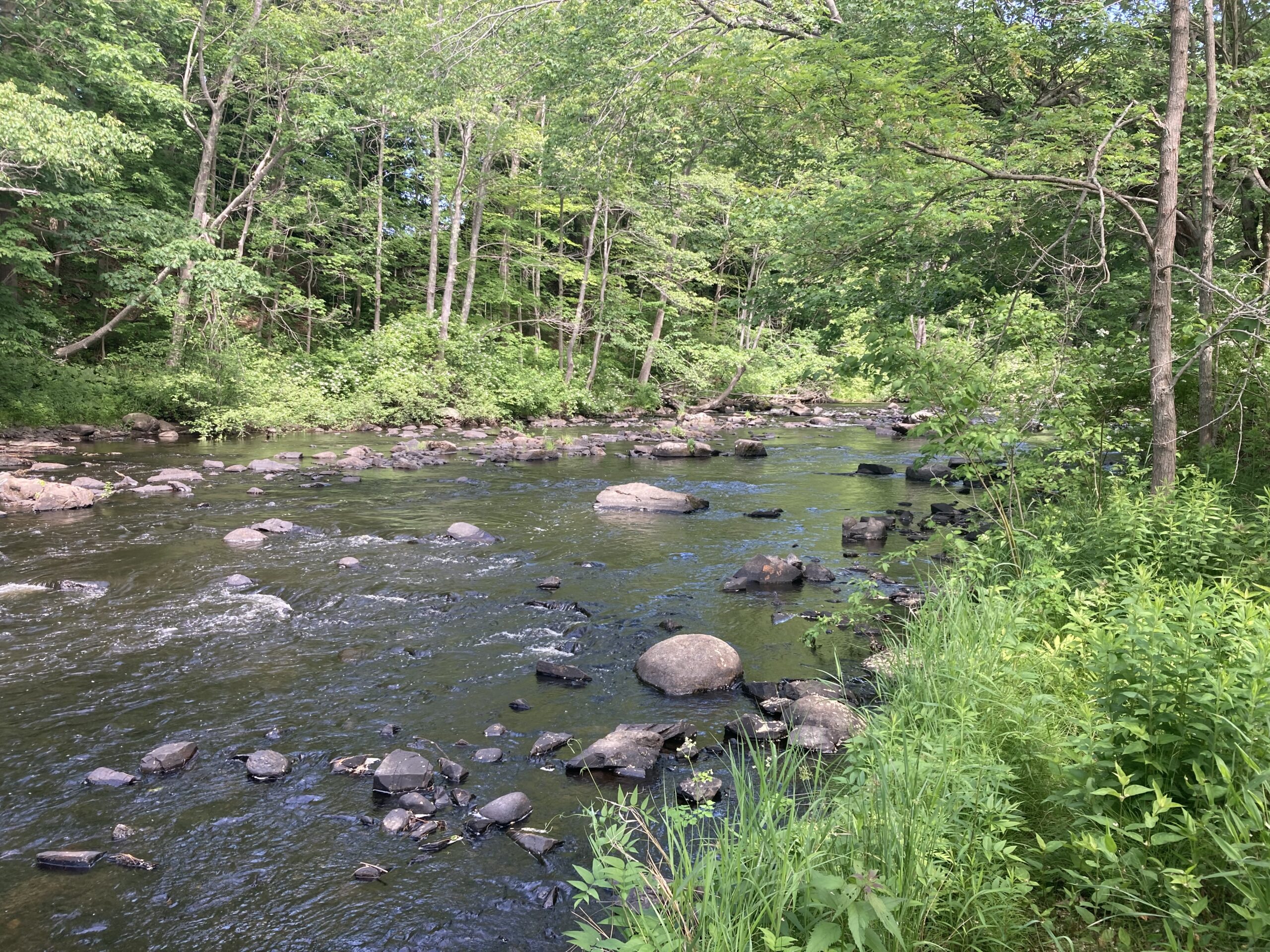
Recent conservation projects — including the protection of Gebung Woods — safeguard ‑water stream conditions that are critical for native brook trout and other clim‑vulnerable species. These lands also protect drinking water resources for nearby towns.
Restoring Fish Passage
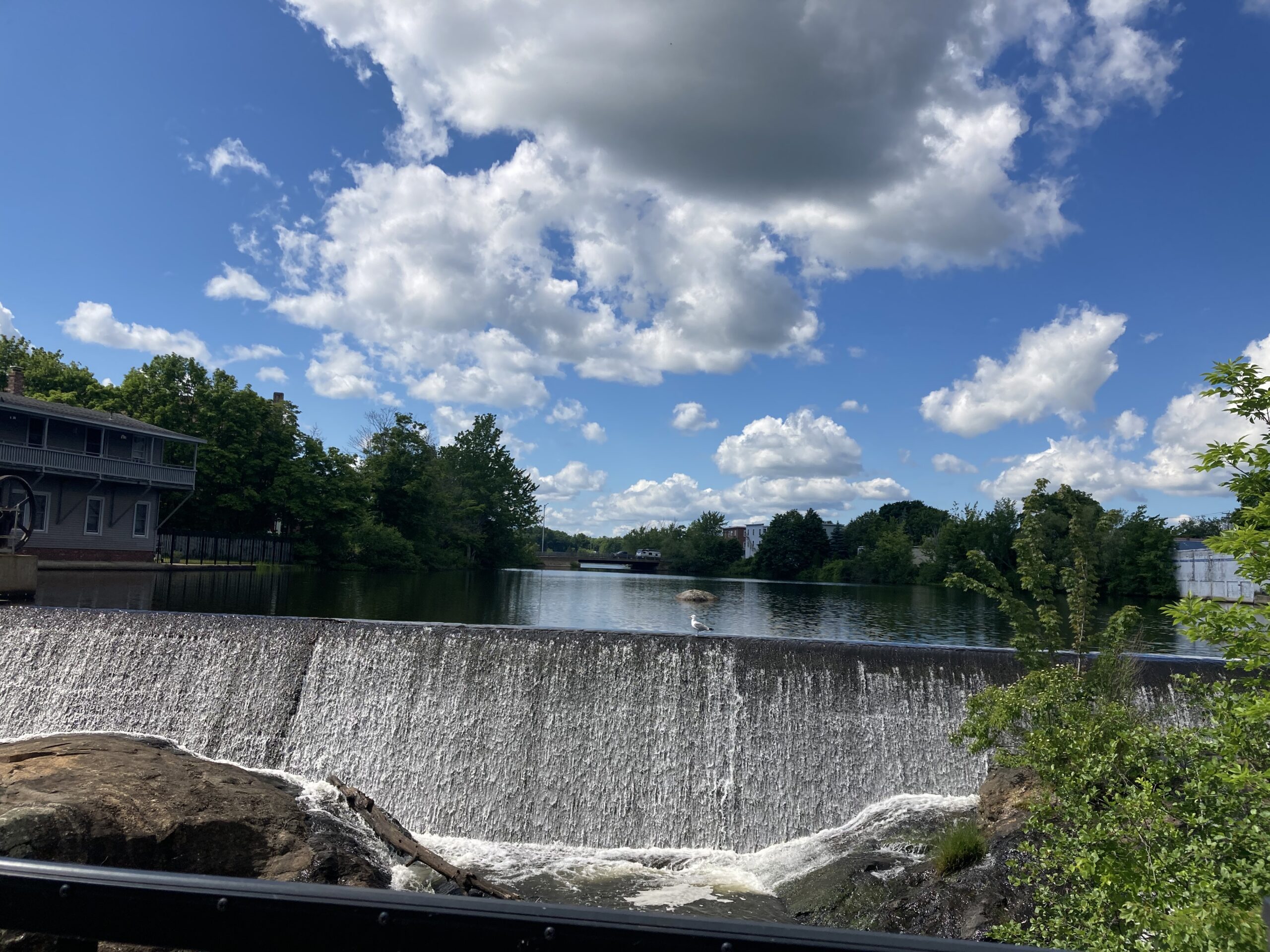
The Mousam is impacted by over 20 dams and aquatic barriers, including 11 on the mainstem within a 24‑mile stretch. MCHT and its partners are advancing fish passage and culvert and dam removal projects to reconnect habitat for river herring, shad, salmon, and other sea‑run fish that are essential to coastal ecosystems.
Conserving Rare-species Habitat
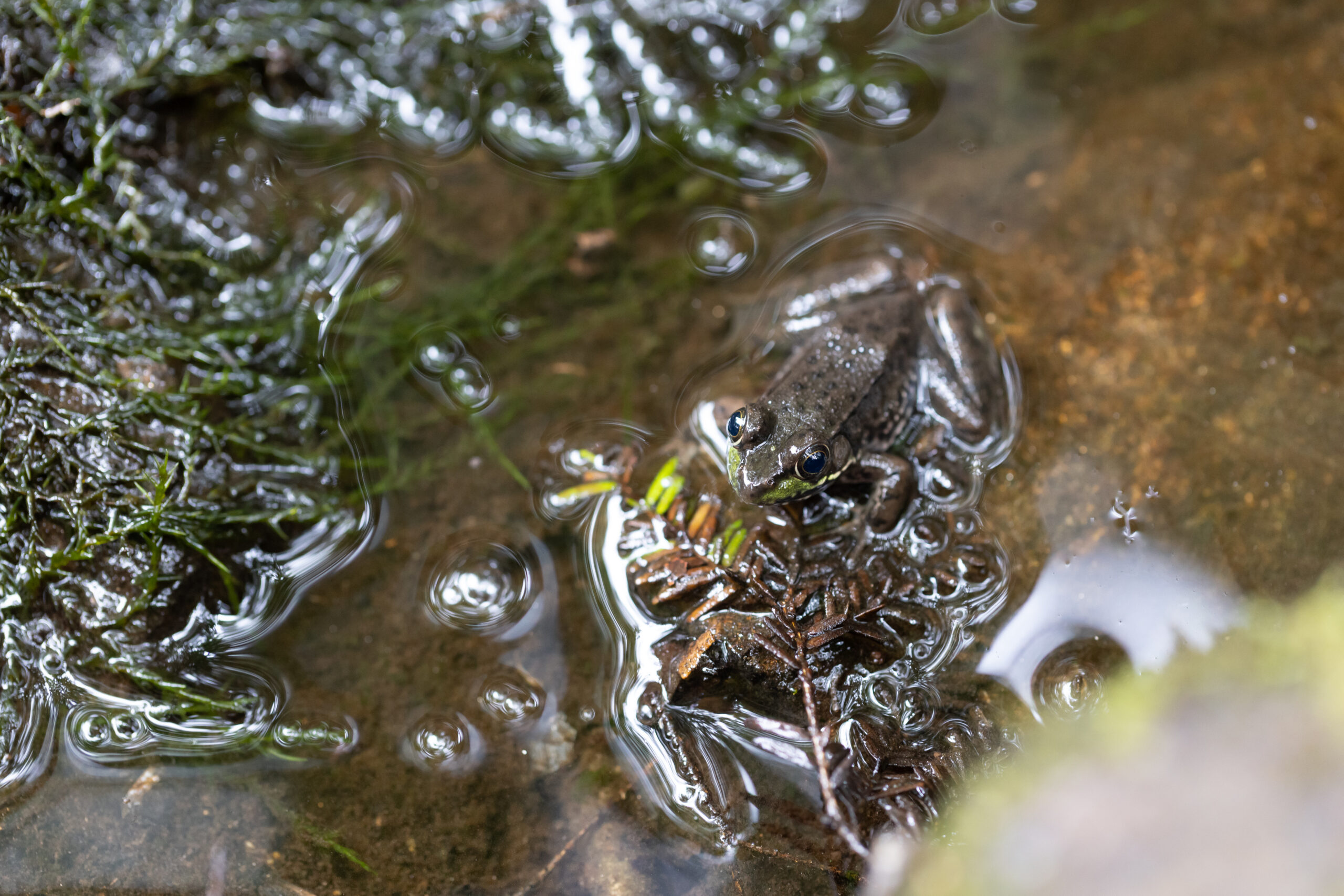
The watershed contains habitat for 31 rare, threatened, and endangered species, including globally imperiled plants and regionally rare wildlife. Conservation efforts focus on protecting these sensitive areas and connecting diverse ecological regions.

Strengthening Community Access and Benefits
Projects in the watershed support public access for hunting, fishing, hiking, and other recreation. Restored fish runs bolster bait supplies for the lobster industry, support groundfish recovery, and contribute to local economies.
By the Numbers
80,000
acre watershed, including Branch Brook and Merriland River sub-watersheds
8
towns: Acton, Alfred, Kennebunk, Lyman, Sanford, Shapleigh, Waterboro, Wells
21
dams, including 11 on the mainstem
31
rare, threatened, and endangered species documented
cold-water aquifers that buffer the river against warning temperatures
Vision for the Future
Success on the Mousam River means a watershed where cold‑water streams, wetlands, and floodplains are protected; where sea‑run fish once again move freely between the river and the Gulf of Maine; and where rare species and native brook trout thrive in connected, climate‑resilient habitat. It means communities benefit from restored fisheries, clean drinking water, and healthy forests. It means residents and visitors alike experience a river that is full of life, accessible for recreation, and valued as a shared resource.
For More Information:
Chris Schorn
Land Protection Project Manager, Southern Maine Region
(207) 607-4358
Email Chris