Wabanaki Cultural Access
We commit
Welcoming Wabanaki People to Preserves for Cultural Access
Maine Coast Heritage Trust is committed to increasing access and connection for all to coastal lands and waters.
For decades, we’ve worked with communities to make it possible for people to engage with land in specific, life-enriching ways, including hiking, fishing, and harvesting.
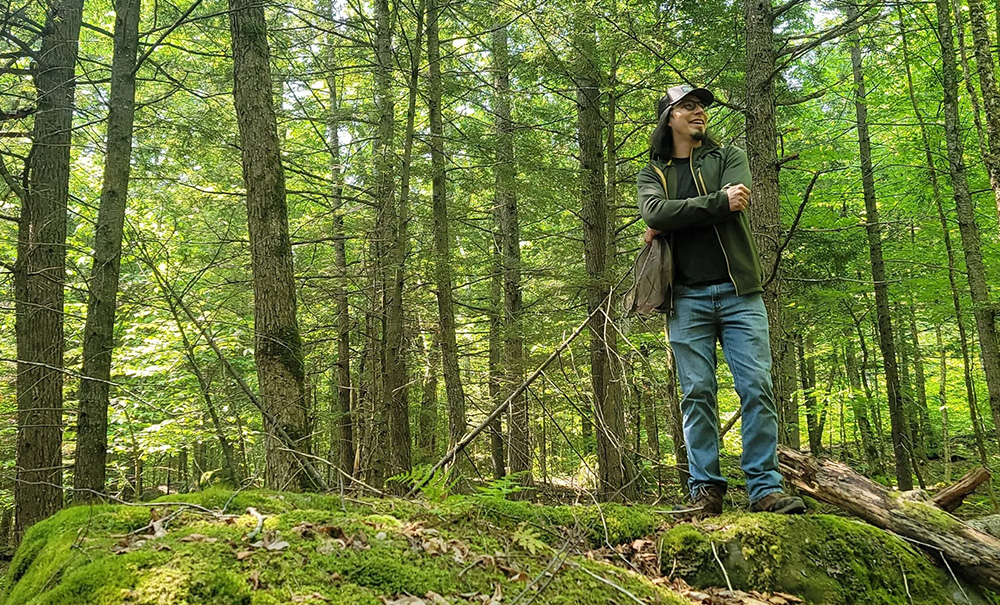
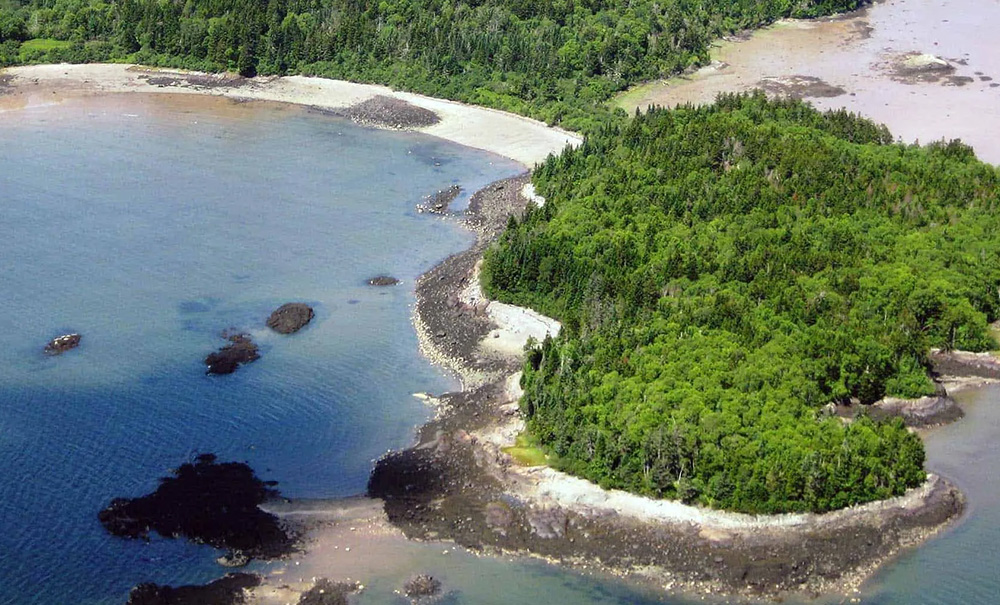
As part of these ongoing efforts, MCHT recognizes the opportunity and necessity to evolve conservation to reintegrate Indigenous perspectives and knowledge, and we are working with Wabanaki people to reshare lands for cultural access and relationship.
While our organization has selected some lands in demonstration of our commitment, we are ready to add more opportunities based on where Wabanaki people want to go and learnings over the coming months and years.
An early step in this effort to restore Wabanaki access to lands and waters can be seen on some of our preserves, where we have posted this symbol:

This symbol indicates that We Commit to open access for Wabanaki people for cultural activities.
What it means
On this property, MCHT is making these commitments:
- The land has minimal to no restrictions on Wabanaki cultural uses;
- MCHT understands the need to share natural resource inventories or other similar information upon request as well as making clear any harvesting restrictions; provide maps and information about land boundaries;
- MCHT commits to making genuine efforts to learn and tell a fuller story and history of the land, that restores Wabanaki narratives to said place;
- When contacted, MCHT commits to making this land available for Wabanaki to engage in spiritual and ceremonial activities including but not limited to educational events, dances, music playing, overnight use, memorials, and celebrations (contact is important for the owner to be helpful, for safety, informing neighbors or inquiries, fire permits, etc.)
Why it's important
MCHT conserves and manages land within the ancestral and present-day homelands of the Mi’kmaq, Maliseet, Passamaquoddy, Penobscot, and Abenaki Tribes, known collectively as the Wabanaki, “People of the Dawn.”
MCHT, as current owner of these lands (land title holder), enters into these commitments based on a shared respect and care for the land, water, plants, and wildlife on the property. MCHT recognizes and respects the historic uses of land, water, plants, and wildlife by Wabanaki people. MCHT also recognizes the Wabanaki traditional and cultural uses of the property and wants to honor and facilitate access to properties by Tribal Nations, organizations, and Tribal citizens for cultural use.
MCHT recognizes and supports the constitutional and civil rights of the Wabanaki people and their treaty rights as citizens of sovereign tribal governments. MCHT chooses to seek agreements and relationships with the Wabanaki to ensure traditional access to and use of these lands.
MCHT’s staff have been: learning about the Indigenous history of the region, learning how to engage with Wabanaki people and governments, and learning to think about co-stewardship and co-management of lands. MCHT is part of a collective effort in Maine to develop a new conservation ethic that promotes Wabanaki access to lands and waters. One small step that MCHT is taking is to invite cultural access by Wabanaki people to MCHT preserves through this initiative created with the Wabanaki Commission on Land and Stewardship.
MCHT is committed to restoring and increasing Wabanaki access to lands and waters. Addressing the history of land dispossession in Maine requires building a pathway toward shared decision-making and authority with Tribal Nations and citizens. MCHT is working collectively with a range of federal and state agencies, land trusts, and other conservation and philanthropic organizations around Maine to find and create these pathways. This is challenging, complicated, and important work. We are not afraid to make mistakes along the way, and value the relationship-building and learning opportunities that may emerge from the process.
For Wabanaki community members interested in learning more about these lands and how to access them, please contact:
Deirdre Whitehead
Wabanaki Community Liaison
Tel: 207-454-5000