Conservation & Wabanaki Peoples

Maine Coast Heritage Trust conserves and manages land within the ancestral and present-day homeland of the Wabanaki “People of the Dawnland” — Indigenous people and their ancestors whose vibrant communities and rich histories include the Abenaki, Maliseet, Mi’kmaq, Passamaquoddy, and Penobscot Nations, and all of the Native communities who have lived for thousands of generations in what is known today as Maine, New England, and the Canadian Maritimes.

Commitment to Building Relations

MCHT has learned to recognize, and respect the relationship that Wabanaki peoples have with the land and honor their own understandings of relationships to their homelands. Through building relations with Wabanaki peoples, MCHT and other conservation organizations are learning by listening and responding to Wabanaki leadership and are collaborating to expand access to land and waters for Wabanaki peoples.

An important Wabanaki leadership development related to land and water was the formation of the Wabanaki Commission on Land and Stewardship, a multinational, nonprofit organization with a mission “to improve the health and well being of Wabanaki people through a sustained effort to expand our access, management, and ownership of lands to practice our land-based cultures across Wabanaki homeland in what is now the State of Maine.

MCHT has been among the organizations engaged in supporting the Commission, and builds relations by engaging in collaborative projects and conversations and by attending their regular meetings.

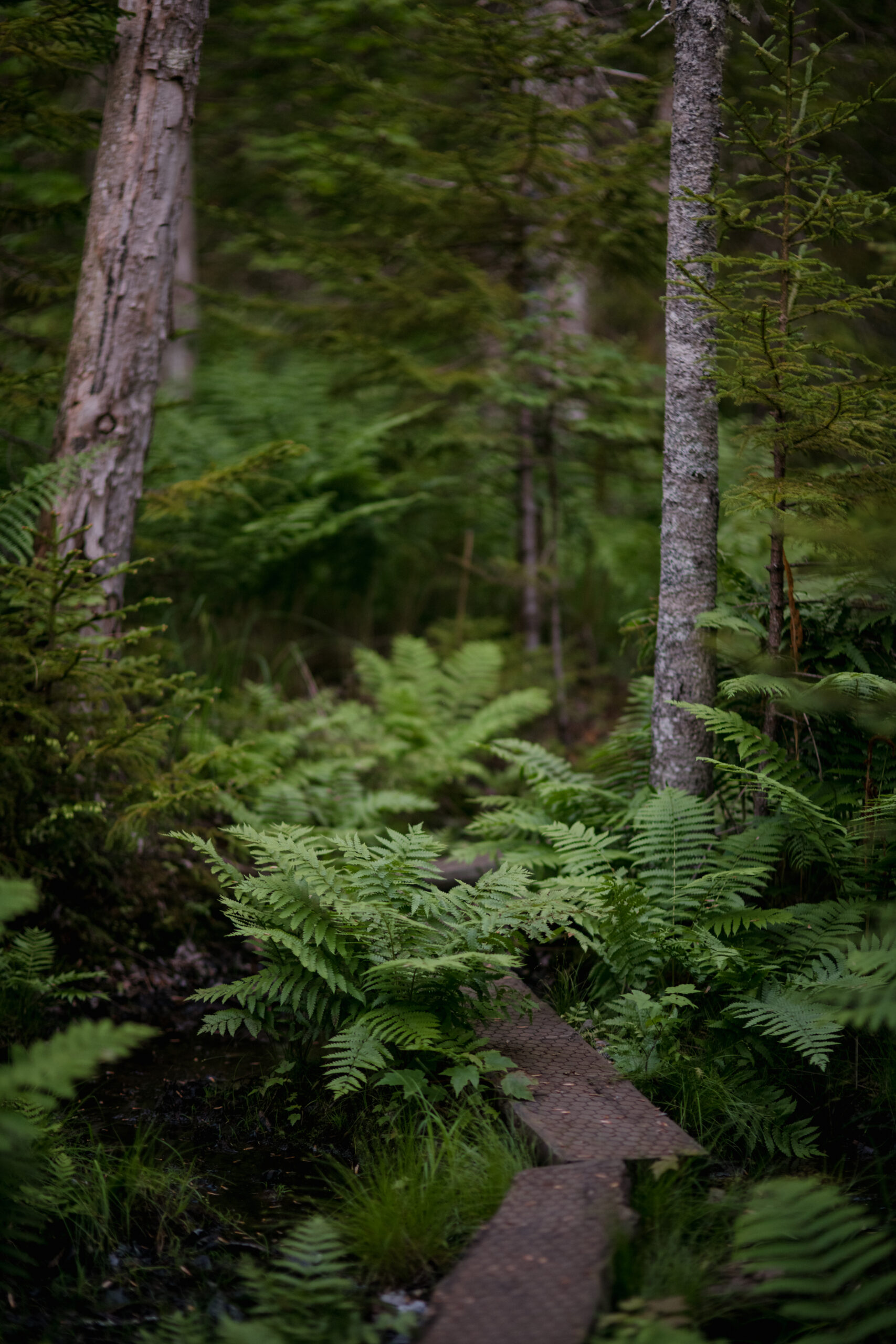
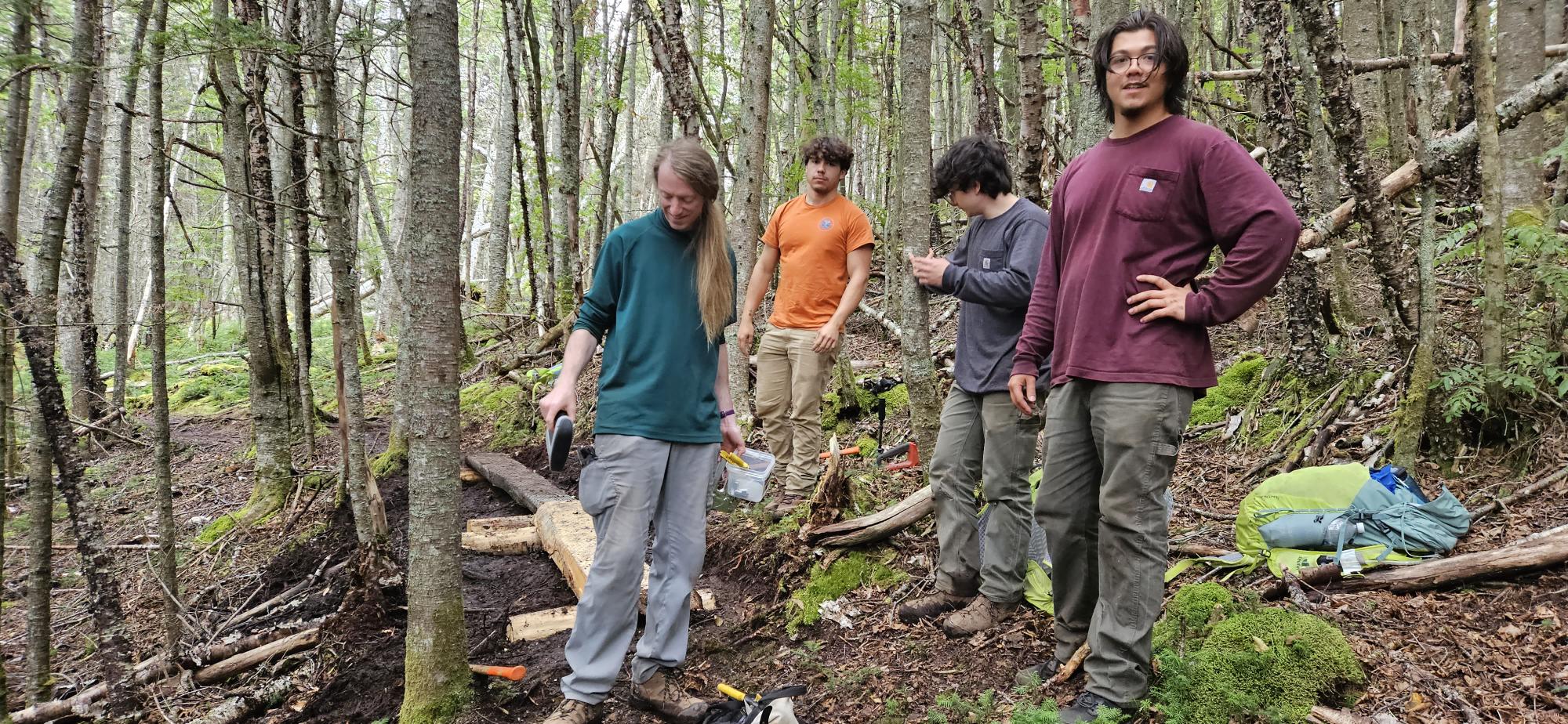
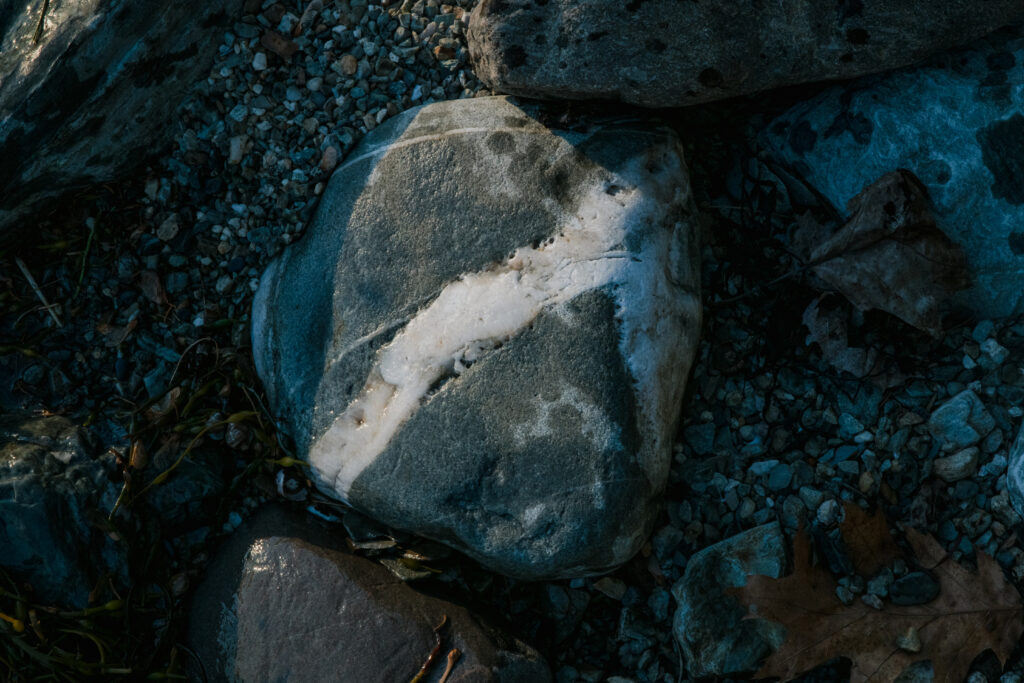
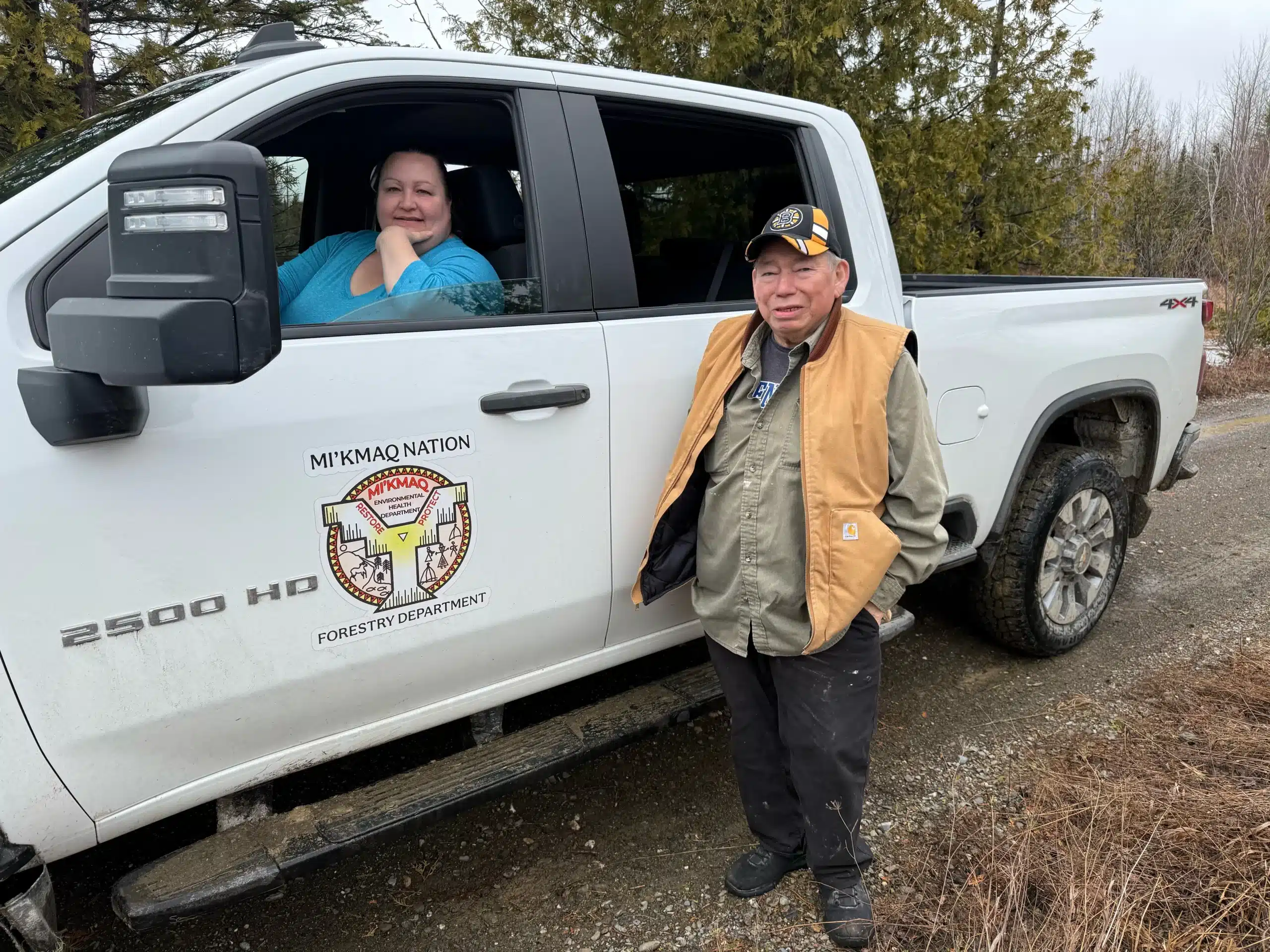
Some of these photographs are taken by MCHT staff, and some by people working with staff. The one of a group of four was taken by Logan Dana shows WaYs Trail Crew Team Leader Wambli Martinez working on a ridge on a Downeast Coastal Conservancy trail. Others capture moments during celebrations such as Alewife Day or people doing trail work.

woods
mcht wabanakiyouthinscience
mcht ericksonarch wabanaki
1eb5dd3605ea546d54c247c48976b20a
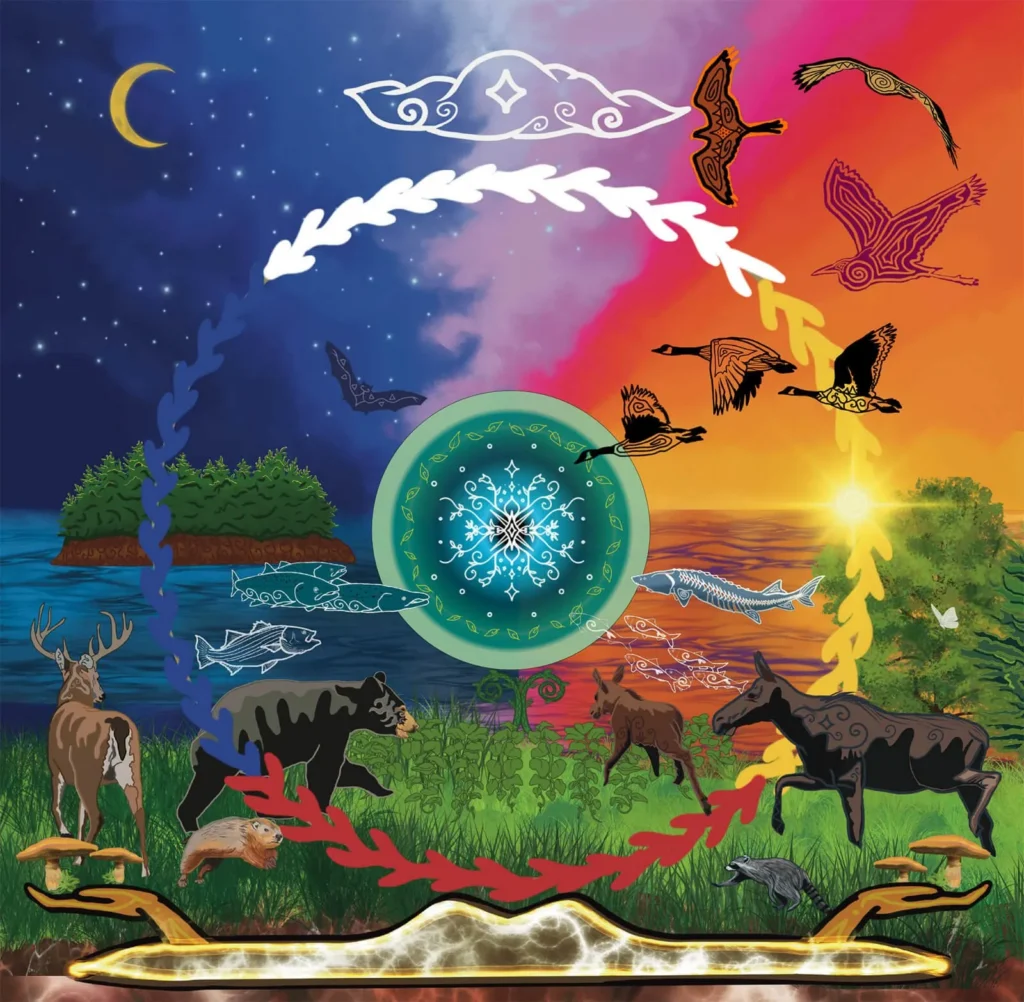
Norma Randi Mother Earth 1600x1566 1
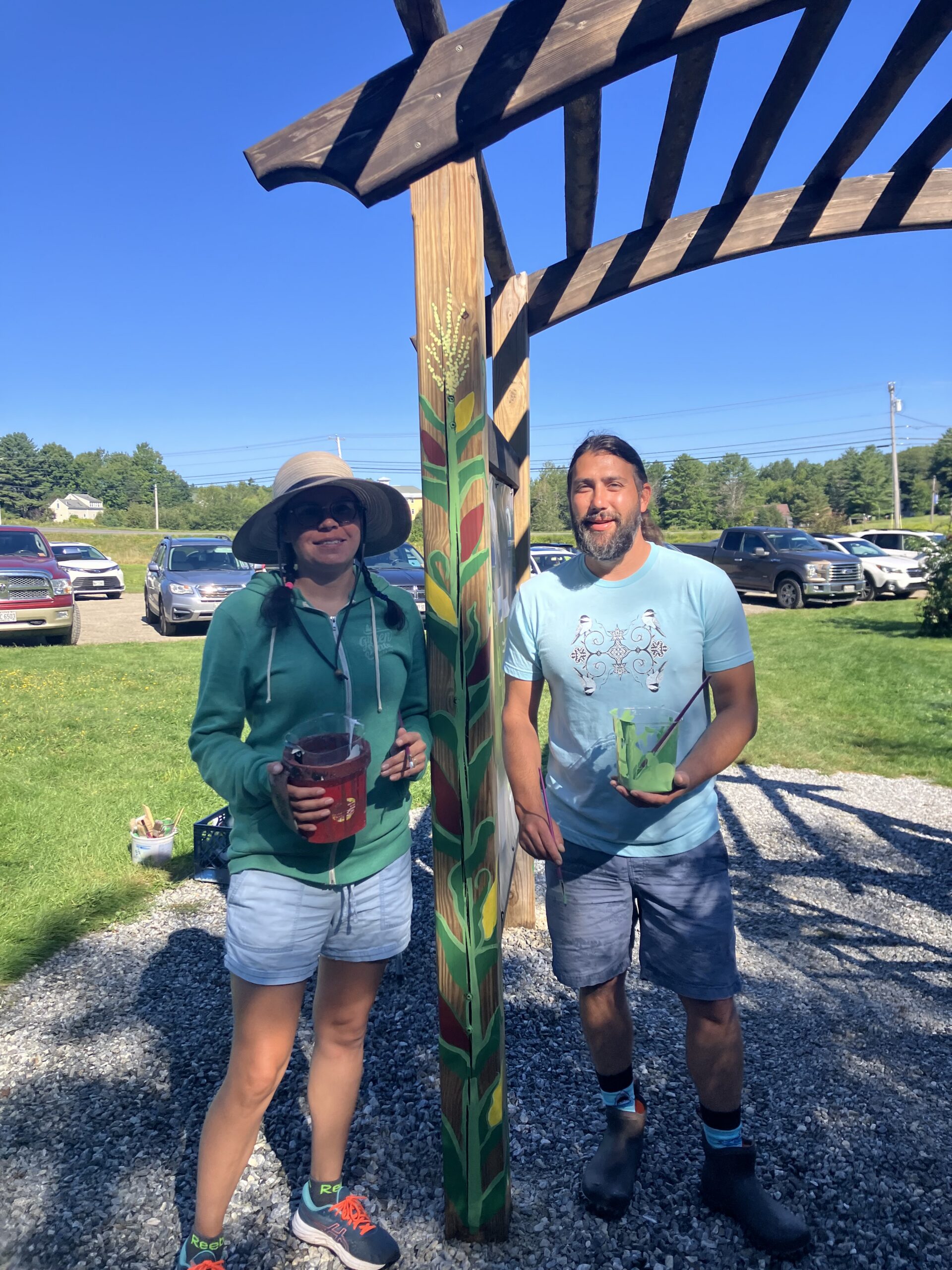
This image is a tiny example of work by artist Norma Randi Marshall that visitors can experience in person as they pass through an archway to the gardens and trails of Erickson Fields Preserve in Rockport. Learn more about the mural project and view a gallery of Norma’s other work.

WaYS Norse Pond

Actions MCHT Is Taking as We Learn

MCHT staff also build connections through on-the-ground projects. In Washington County, stewardship staff have worked with the Sipayik Environmental Department to organize and staff a Passamaquoddy youth alewife day at the Pennamaquan River.

Starting in 2023, the Wabanaki Youth in Science (WaYS) Ancestral Trail Crew, MCHT, and Downeast Coastal Conservancy (DCC) began working together, learning from each other, and building relationships and mutual respect. This program is about more than the shared projects. It is about reconnecting Wabanaki young people to ancestral lands and culturally significant sites in Downeast Maine. 

– Jennifer Galipeau, executive director of Wabanaki Youth in Science

Adding New Staff & Perspectives

For over two decades, MCHT staff working in Washington County have built a relationship with the Passamaquoddy Nation.

In 2021, MCHT created the position of Wabanaki communities liaison to promote collaboration and connection between Tribal communities and conservation groups.

Continuing to build on those connections, in in 2023, we created a shared position of special projects cultural coordinator to liaise between the Passamaquoddy Cultural Heritage Museum and MCHT.

Building Bridges Collectively

MCHT is at the table in a number of conservation collaborations that are building connections with Wabanaki people and organizations.

MCHT staff are working in collaboration with First Light to develop and hone tools for Wabanaki cultural access to lands, including the We Commit program.

Together with The Nature Conservancy, MCHT staff use their experience in land transactions to co-mentor the Tribal Land Recovery Manager with First Light.

Restoring Wabanaki Land and Water Access

MCHT’s staff use their skills and knowledge of land projects to support the return of lands to Wabanaki Nations and Wabanaki-led nonprofits. 

MCHT writes grants, helps secure funds, supports due diligence, and provides financing. These skills and
connections are helping return ownership of lands to Wabanaki Nations and Wabanaki-led nonprofit organizations.

Here are a few examples where MCHT has contributed:

Committed to these four approaches to guide our organization in this work:*

  • Build MCHT’s capacity and competence for non-exploitative collaboration with Wabanaki people, agencies and entities;
  • Enhance and challenge the work of conservation (planning, acquisition and stewardship) by respecting and engaging Indigenous perspectives and knowledge; 
  • Be part of building capacity and competence within the Maine conservation community for collaboration with Wabanaki people, agencies and entities;
  • Restore/increase Wabanaki access to lands and waters.  

*Thanks to guidance and example from The Nature Conservancy of Maine.

rock

Continuing the Learning

One way MCHT is committed to doing this includes these resources and training opportunities: First Light, Wabanaki REACH, Wabanaki Alliance, Portland Public Schools Wabanaki Studies, UME Native American Studies, Abbe Museum, the Hudson Museum, as well as ongoing self-guided learning sessions by and for staff and Board.

Learning about culture, history and language is essential for conservation organizations to effectively engage with Wabanaki efforts to reconnect to lands and waters. MCHT staff and Board are committed to continue learning.