Land Protection
Conserving Maine’s Lands and Waters
Our land protection department collaborates with partners statewide to actively conserve land to enhance ecological wellbeing and foster thriving communities.
Our Work Priorities
Healthy Ecosystems for a Changing Climate
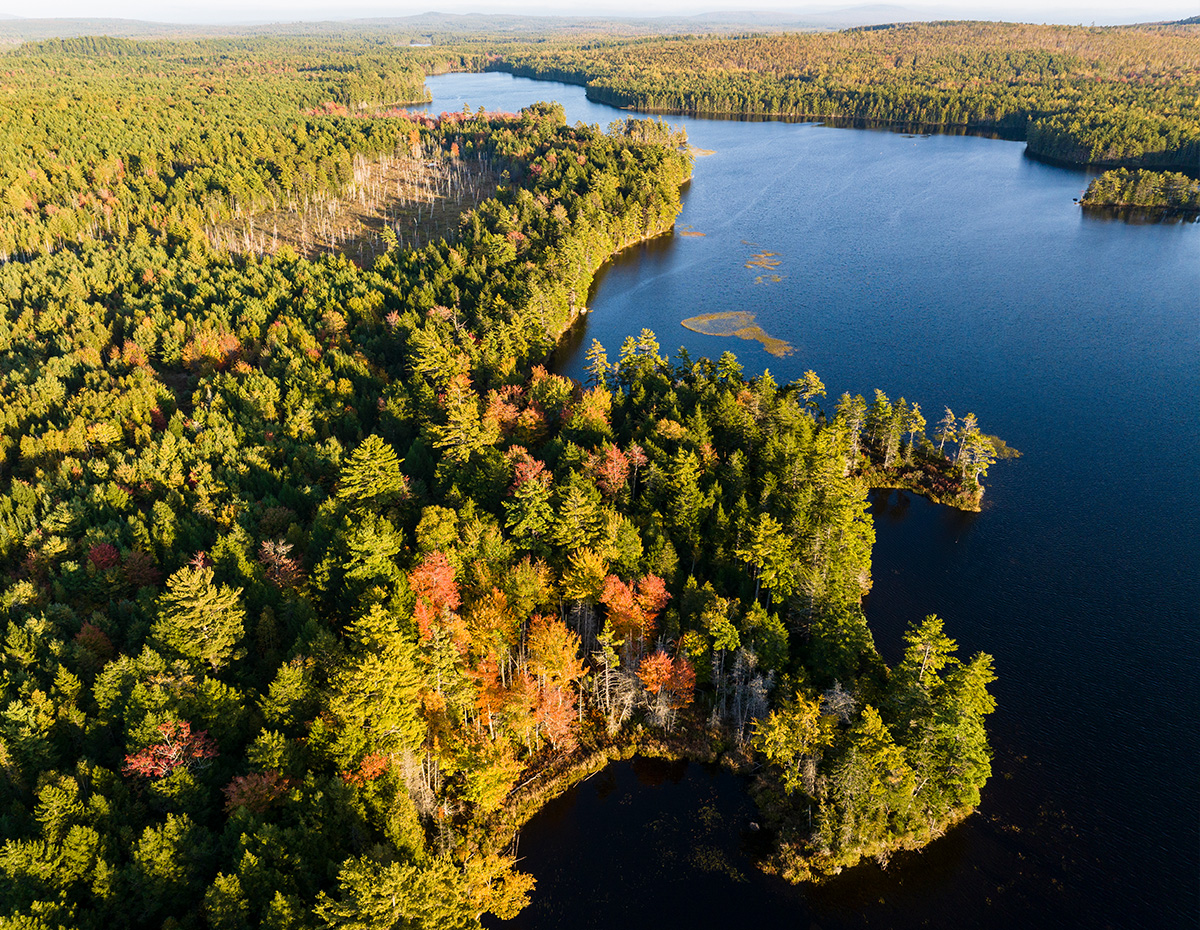
We work with partners, including landowners, towns, communities, organizations, state and Tribal entities, and others to conserve healthy ecosystems and actively respond to a changing climate. This includes protecting climate-resilient coastal habitats and accelerating the conservation of priority coastal watersheds.
Thriving Communities
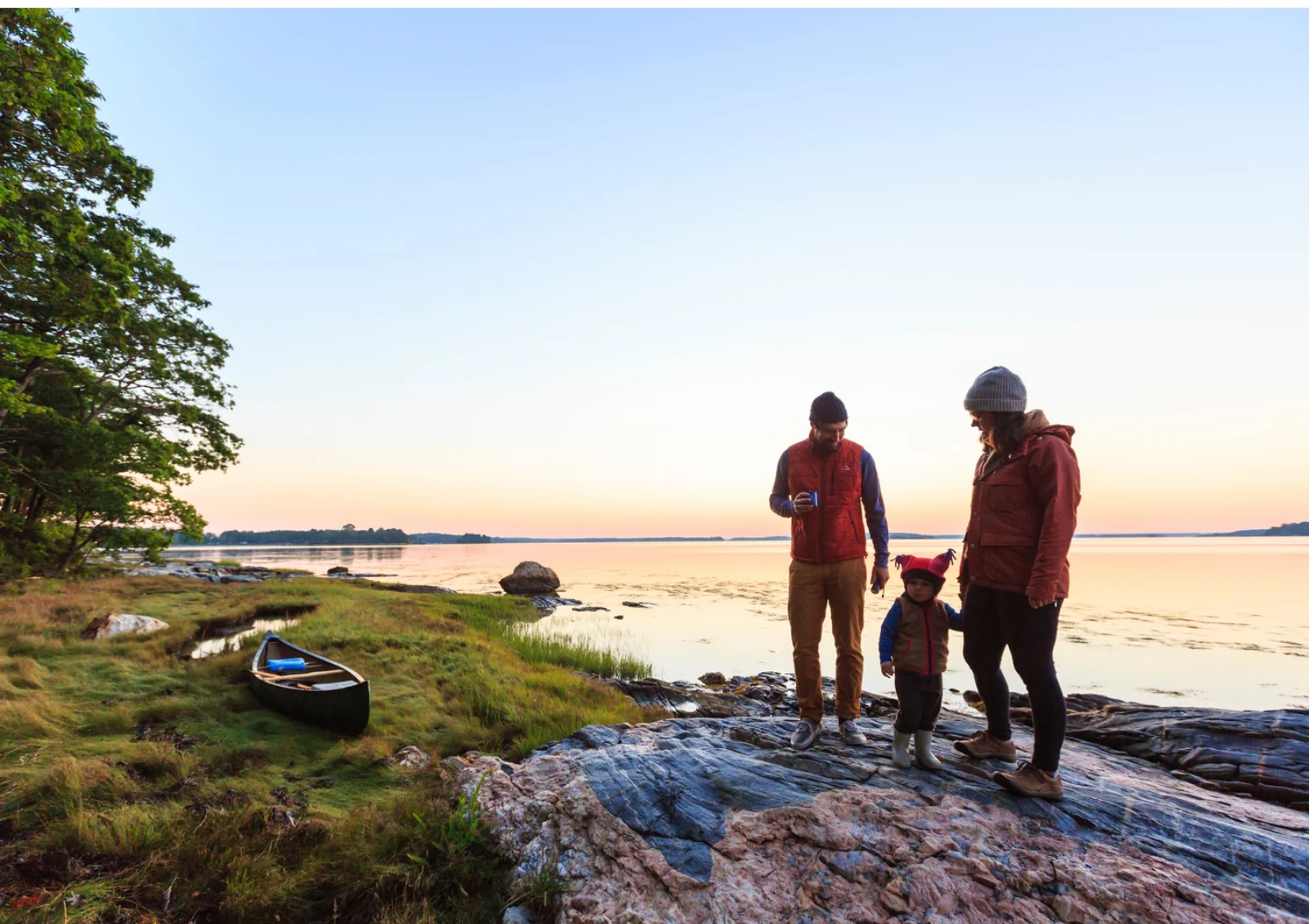
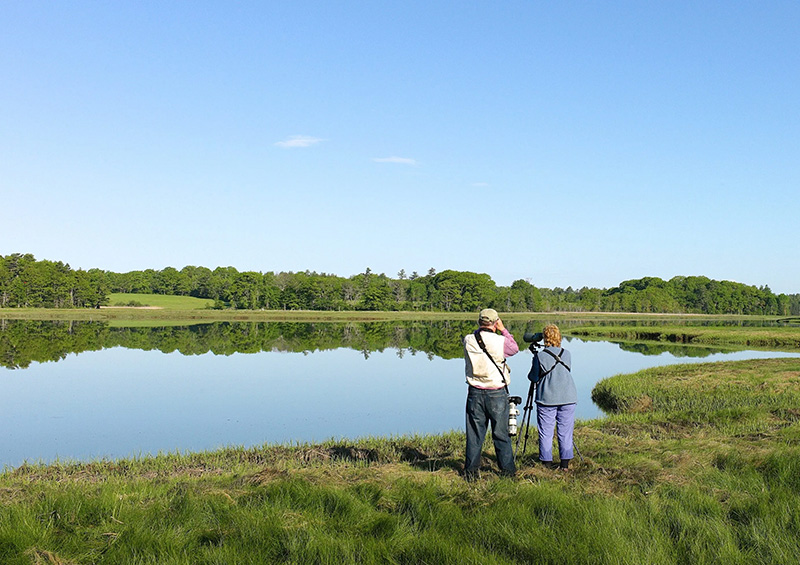
MCHT is a visible advocate and practitioner of inclusive approaches to conservation, increasing access and connection for all to coastal lands and waters, assisting with land-use solutions that address needs of coastal communities, and serving as a local land trust on Mount Desert Island (MDI).
Partnership That Achieves More Together
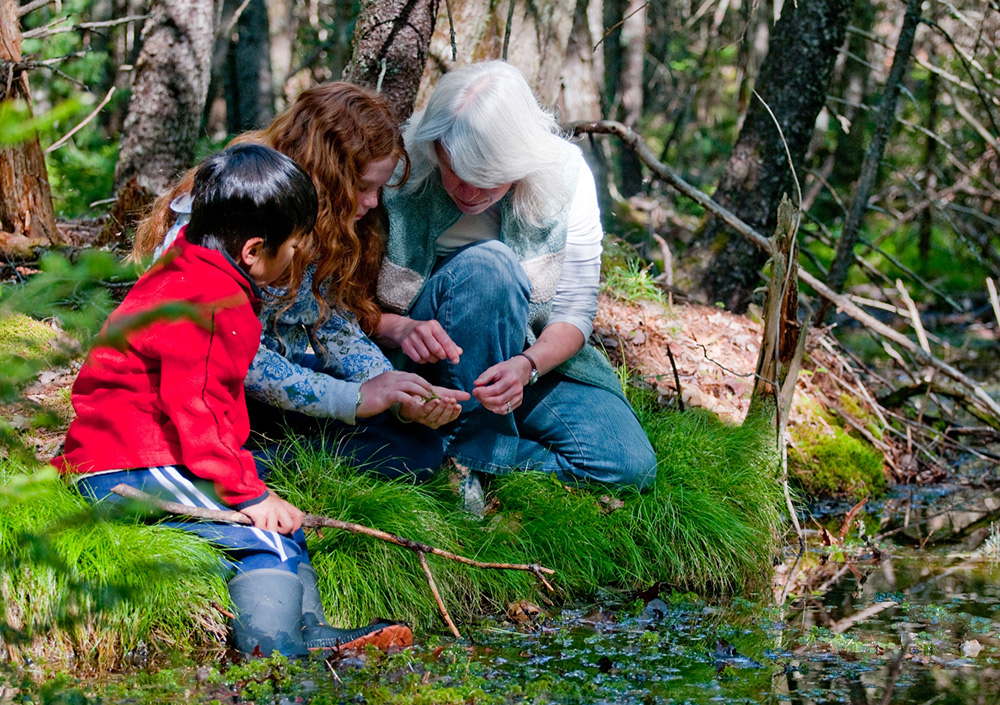
Alongside partners, MCHT has conserved over 200,000 acres (that’s more than three times the size of Acadia National Park), protected over 300 islands, and made over 100 miles of trail available to the public. We also routinely collaborate with private landowners, local governments, and organizations to make land and water more accessible, restore wetlands, improve fish passage, safeguard clean drinking water, and other projects.
Our Initiatives
Conservation plays a vital role in ensuring that natural and human communities are sustainable.
Our work at MCHT protects land, water, and people through several initiatives. Here are a few.
Marshes
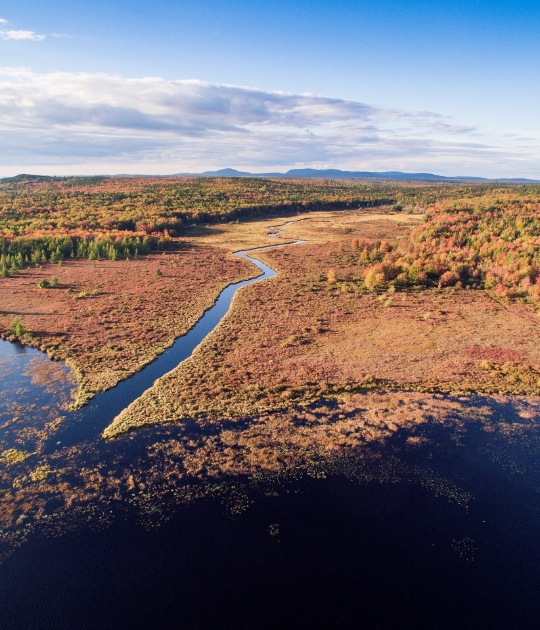
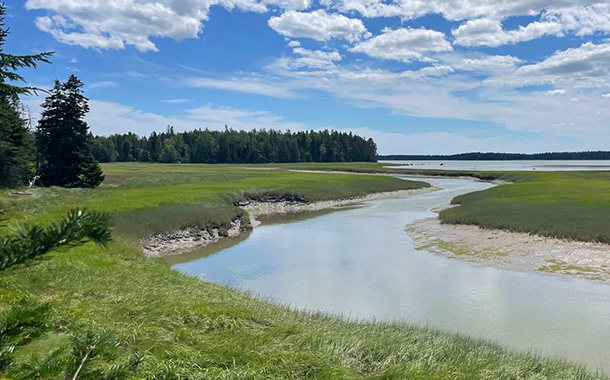
Maine Coast Heritage Trust is working with partners, including landowners, other land trusts, and state and federal entities to collectively conserve Maine’s most resilient marshes (marshes most likely to adapt to changes over time) to curb the impacts of climate change.
Rivers
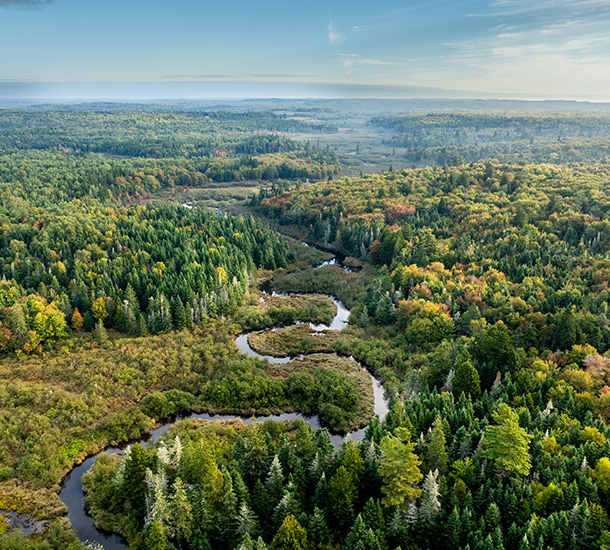
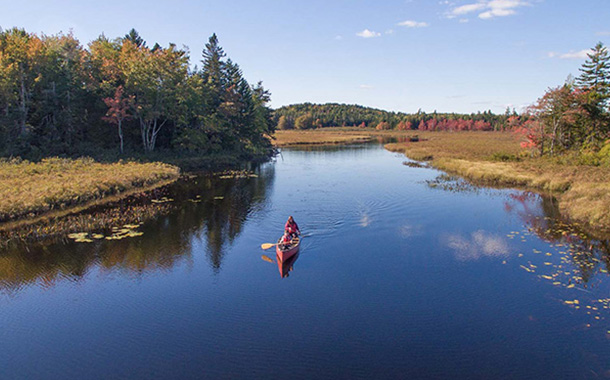
Rivers matter tremendously to the health of the coast in a changing climate. MCHT has identified five key Maine rivers with the best potential for protection and restoration, where we see opportunities to make a significant impact on the local and regional ecological health.
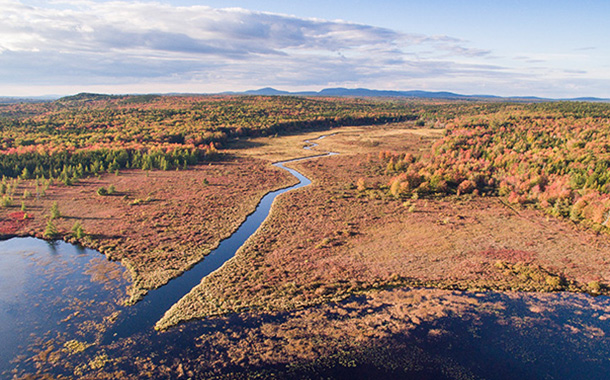
Schoodic to Schoodic
Seventy-five percent of Maine’s native plants and animals are vulnerable to the impacts of climate change. We’ve been working in partnership with Frenchman Bay Conservancy, The Nature Conservancy, the State of Maine, and other partners to conserve key “stepping stones” of land to create a protected corridor for wildlife.
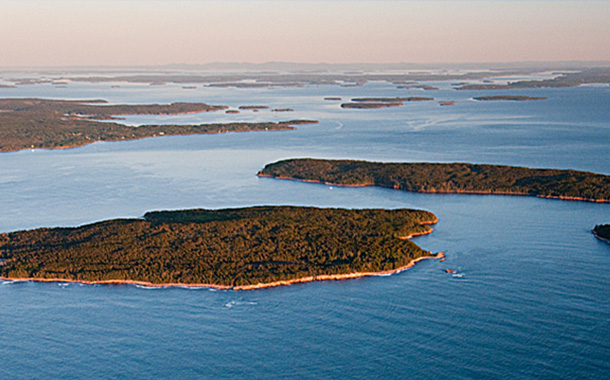
Islands
We are working all along the coast to protect islands from development, permanently open them to the public, and ensure birds and other wildlife will always find refuge on the coast. Through the Islands Initiative, we’ve identified more than 100 coastal islands as top priorities for future protection.
Why we do it
Ensuring a Healthier Future for Maine
Our wellbeing depends on the health of Maine’s lands and waters. When lands and waters are conserved, natural areas can better withstand the impacts of climate change, people have clean air and water, wildlife has more room to adapt and thrive, and communities and livelihoods are supported.
Connecting people and communities to the many benefits of conservation inspires more people to take part in the movement to help address many of the challenges Maine faces and improve our quality of life. Together, we can accelerate the pace and scale of conservation so that lands, waters, communities, and ecosystems are healthy, working, and open to all for generations to come.